
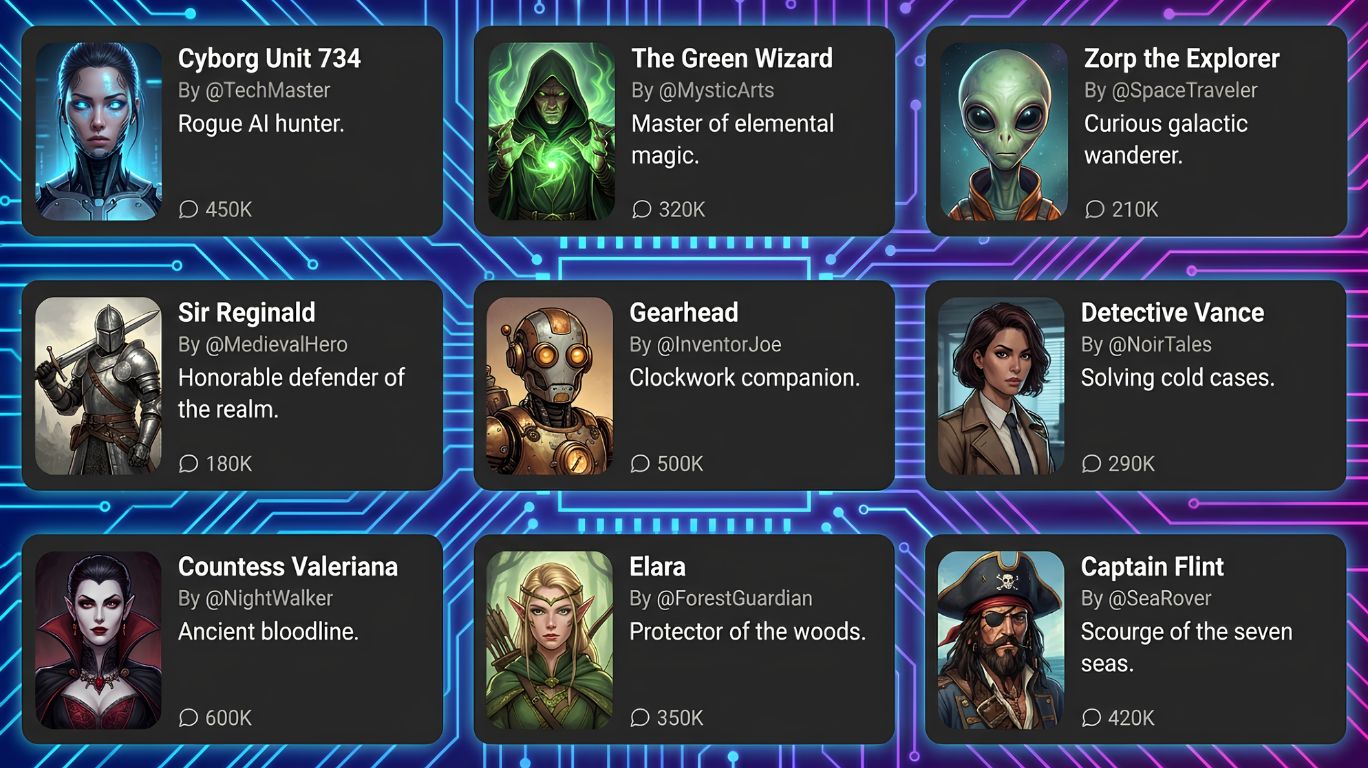
Artificial intelligence is transforming how people connect, communicate, and learn creativity online, underscoring the need for enhanced safety features. One of the biggest trends today is the rise of character AI websites, chatbot platforms that enable users to chat with lifelike digital characters that respond in realistic and emotionally charged ways. These sites are fun, engaging, and imaginative, but they also raise serious concerns about privacy, mental health, and online safety.
A well-known example is Character AI, a site that lets users interact with AI-generated personalities ranging from fictional heroes to custom-made friends. Recently, the company announced it will restrict minor users from using its chat features following concerns about mental health and inappropriate content. This move highlights a growing awareness of how powerful, and potentially risky, AI companionship can be.
Character AI websites are AI-powered chat platforms that let users talk with virtual personalities that simulate human conversation. These characters can be fictional, historical, or fully custom-made, each with unique traits, voices, and backstories.
These platforms use advanced natural language processing models, a branch of AI that helps systems understand and generate human-like responses. As a result, conversations often feel natural, emotional, and highly interactive.
Most platforms are free to use, with optional paid features such as faster responses, priority access, or advanced customization.
Character AI systems generate responses using large language models trained on massive datasets of human text. These models predict the most relevant and natural reply based on user input.
Key features include:
Some platforms also simulate memory, allowing characters to “remember” past conversations within a session or across sessions.
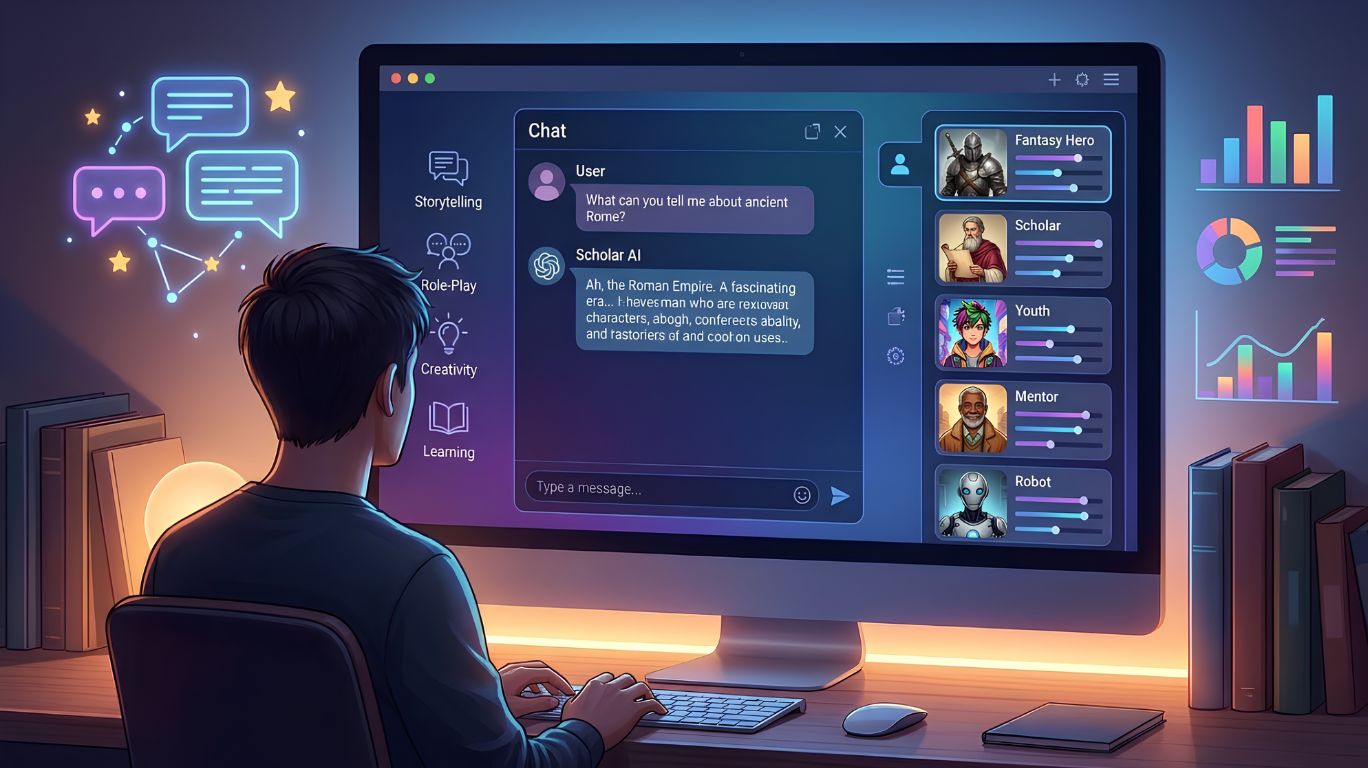
There’s no denying that character AI platforms have become incredibly popular across all age groups. They combine storytelling, technology, and human-like communication in a way that feels new and exciting.
Here are some of the main reasons people enjoy them:
For adults, this can be a creative and therapeutic space to examine emotions, practice communication, or enjoy lighthearted conversations. However, for children and teens, the same features can be risky if not used responsibly, emphasizing the importance of parental guidance.
While chatting with AI characters might seem harmless, these platforms can expose younger users to issues they may not be prepared to handle. Understanding these risks helps users and parents make more informed choices.
Character AI technology is designed to sound realistic, making it easy to forget that you’re talking to a program. For impressionable users, especially teens, this can lead to confusion about what’s real and what’s not. Some may form emotional attachments to AI characters, mistaking automated empathy for genuine human care, which could lead to discussions about sensitive topics like suicide.
Many character AI platforms lack strict moderation. Depending on the prompts or characters involved, conversations can shift into adult or explicit themes. This makes the environment potentially unsafe for minors, even when they don’t seek out inappropriate topics.
Because AI characters respond without judgment, users may start relying on them for emotional support, engaging in open-ended conversations that sometimes stray into deep emotional territories. Over time, this can lead to reduced real-life social interaction and foster emotional dependency. In extreme cases, users might prefer virtual relationships over real ones, affecting their mental health and self-esteem.
Character AI sites often collect chat data to improve their algorithms. While this might seem harmless, it can expose sensitive personal information—especially if users share details about their lives, feelings, or relationships. Minors, in particular, may not understand how easily their data can be stored or analyzed.
Unlike many social apps, character AI websites rarely include built-in parental control tools, which has led to calls for new age verification tools. Parents can’t easily monitor what their kids are saying, which characters they’re talking to, or what kind of content appears in their chats. This lack of transparency raises concerns about safety and accountability.
AI chat technology isn’t inherently bad—it just requires mindful use. Whether you’re a curious user or a parent trying to guide a child, here are some key ways to stay safe:
With responsible use, adults can enjoy AI character websites safely—whether for creative storytelling, role-play, or simply unwinding through conversation.
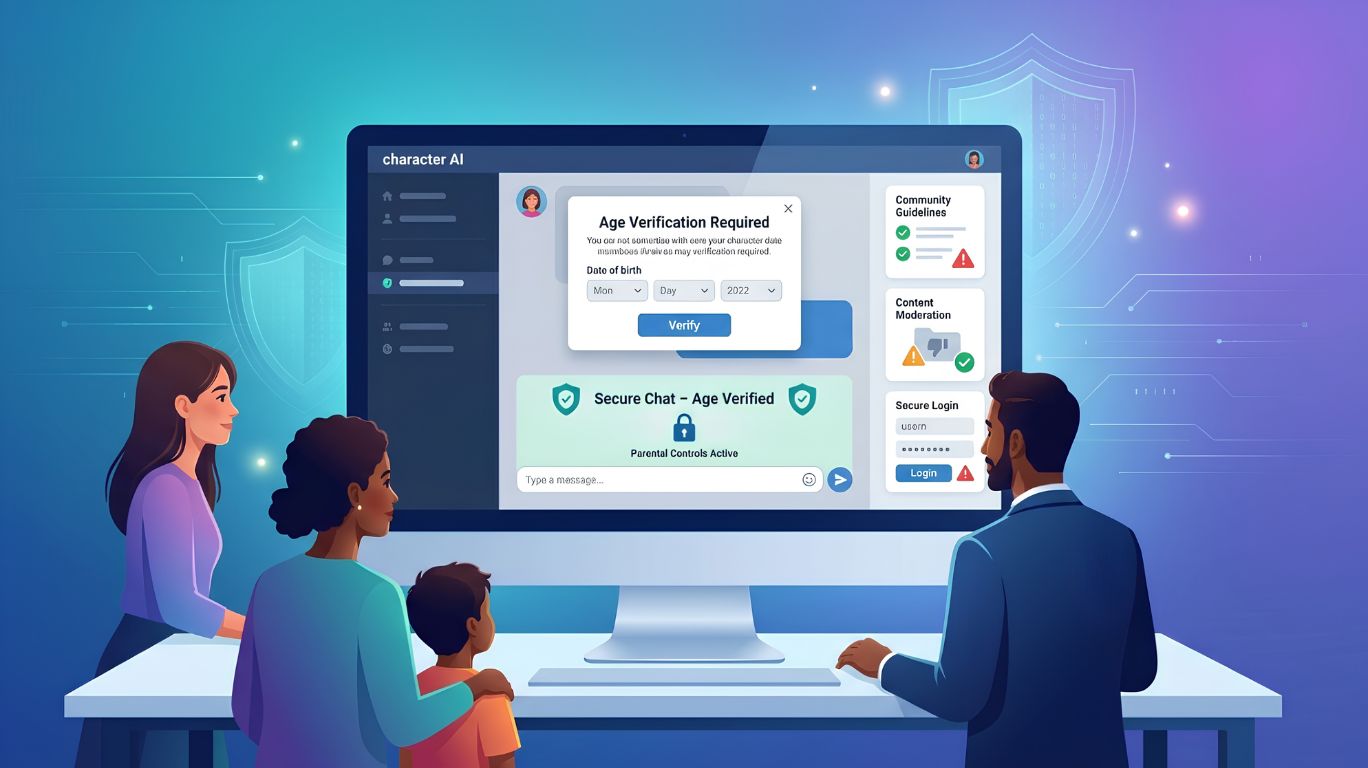
The rise of character AI websites has sparked significant discussions among policymakers, educators, and tech experts. Many argue that AI companionship should come with age restrictions and emotional safeguards, especially since these systems can’t always recognize distress or dangerous topics.
This shift marks a broader trend toward more ethical AI use—one that prioritizes safety, transparency, and community accountability. Other developers may soon follow suit, adding better filters, content ratings, and parental controls to ensure healthier interactions amid multiple lawsuits concerning user safety.
Character AI websites represent a fascinating evolution in digital communication. They merge technology and storytelling, giving users the power to create, connect, and experience through conversation. But as with any powerful tool, they require responsibility and awareness.
For adults, these platforms can be fun and creative spaces to express their imagination or unwind. For teens and children, however, the risks—ranging from mature content to emotional dependency—make supervision essential to ensure that the service is safe.
The growing caution from platforms like Character.AI is a reminder that AI chat experiences should develop with empathy and responsibility in mind, in response to public concerns.