

AI-generated virtual models are digital characters created using AI image generators and text-to-image technology. These systems use diffusion models, a type of generative AI, to transform written prompts into realistic or stylized human images.
They allow users to design characters with different body types, styles, poses, and artistic directions without advanced 3D modeling skills. This makes AI-generated characters valuable for digital art, AI avatars, game development, fashion visualization, and creative storytelling.
AI image generators rely on text-to-image models, detailed prompts, and large training datasets to produce visual outputs. Users describe the appearance they want, and the generative AI system interprets the prompt using diffusion model technology to generate an original image.
The quality of the final image often depends on prompt engineering, which involves writing clear and descriptive instructions for the AI.
Key inputs that influence results include:
The more specific the prompt, the more detailed and accurate the generated character becomes.
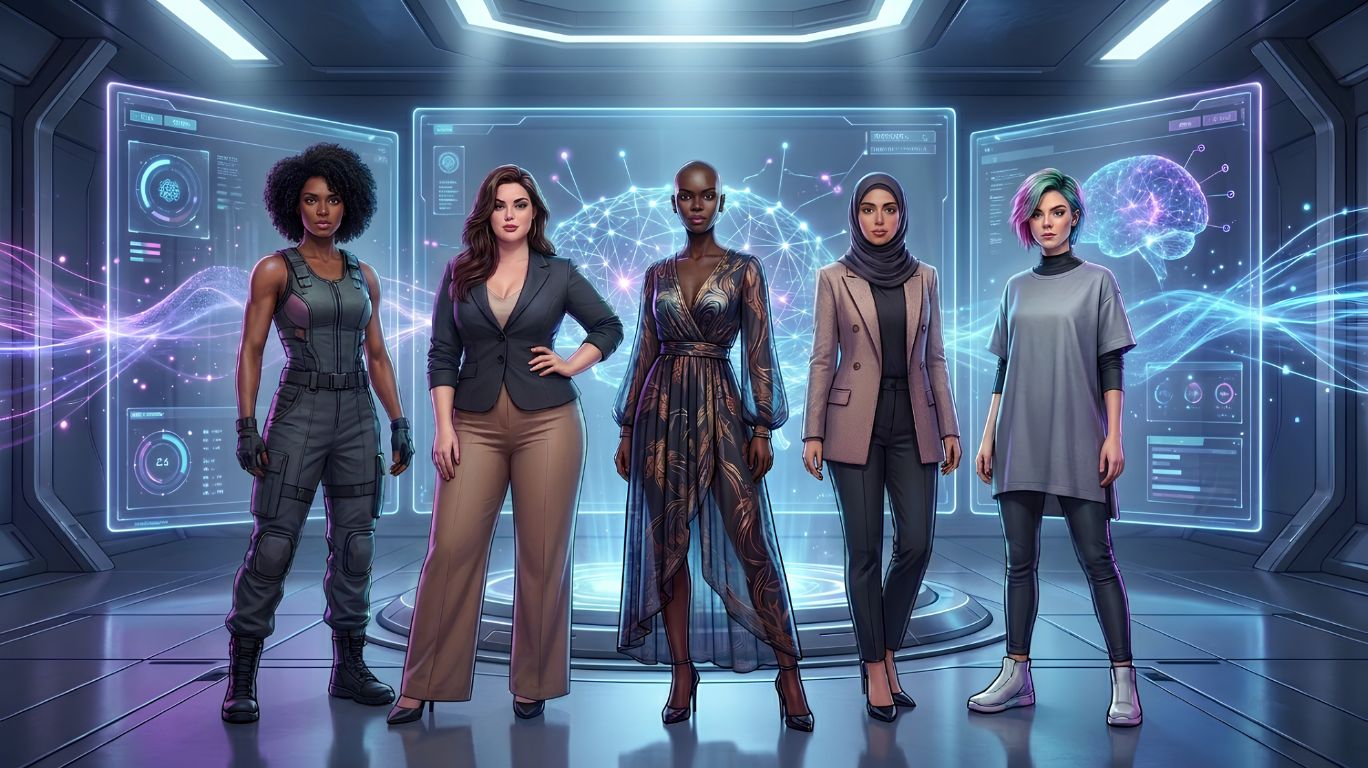
Curvy and diverse AI-generated models are popular because they support creative freedom while encouraging broader representation in digital media. Artists, designers, and content creators use these digital humans to learn different aesthetics without the limitations of traditional photography.
They are commonly used for:
This flexibility allows creators to experiment with different body types and visual styles in a controlled digital environment.
Several AI image generators allow users to create realistic or stylized virtual characters from text prompts. Each platform offers unique features, making it suitable for different creative projects.
|
AI Tool |
Best For | Key Features |
|
Midjourney |
Artistic and cinematic characters |
Produces highly detailed, creative images with strong lighting and composition. |
|
Stable Diffusion |
Advanced customization |
Open-source model that supports custom checkpoints, fine-tuning, and local image generation. |
|
DALL·E |
Easy prompt-based image creation |
Generates realistic or stylized characters using simple natural language prompts. |
|
Adobe Firefly |
Commercial design projects |
Integrates with Adobe Creative Cloud and offers commercially friendly generative AI features. |
|
Leonardo AI |
Game assets and concept art |
Includes character consistency tools, image editing, and prompt optimization for artists. |
| FLUX | High-quality realistic images |
Generates detailed human characters with strong prompt adherence and realistic lighting. |
A well-written prompt helps AI generate more accurate results. For example:
“Create a realistic curvy virtual model wearing modern streetwear, standing in a neon-lit city at sunset, cinematic lighting, ultra-detailed, high resolution.”
Users can further refine the prompt by specifying:
The more descriptive the prompt, the more accurately the AI can generate the intended virtual character.
Yes. Some AI platforms combine image generation with conversational AI, allowing users to interact with AI avatars or digital humans through chat interfaces.
These interactive systems support:
This combination of visual and conversational AI continues to expand how creators develop immersive digital experiences.
AI-generated human imagery raises important ethical considerations that creators must follow.
Key concerns include:
Creators are encouraged to use AI tools for artistic expression, storytelling, and inclusive design rather than harmful or misleading representations.
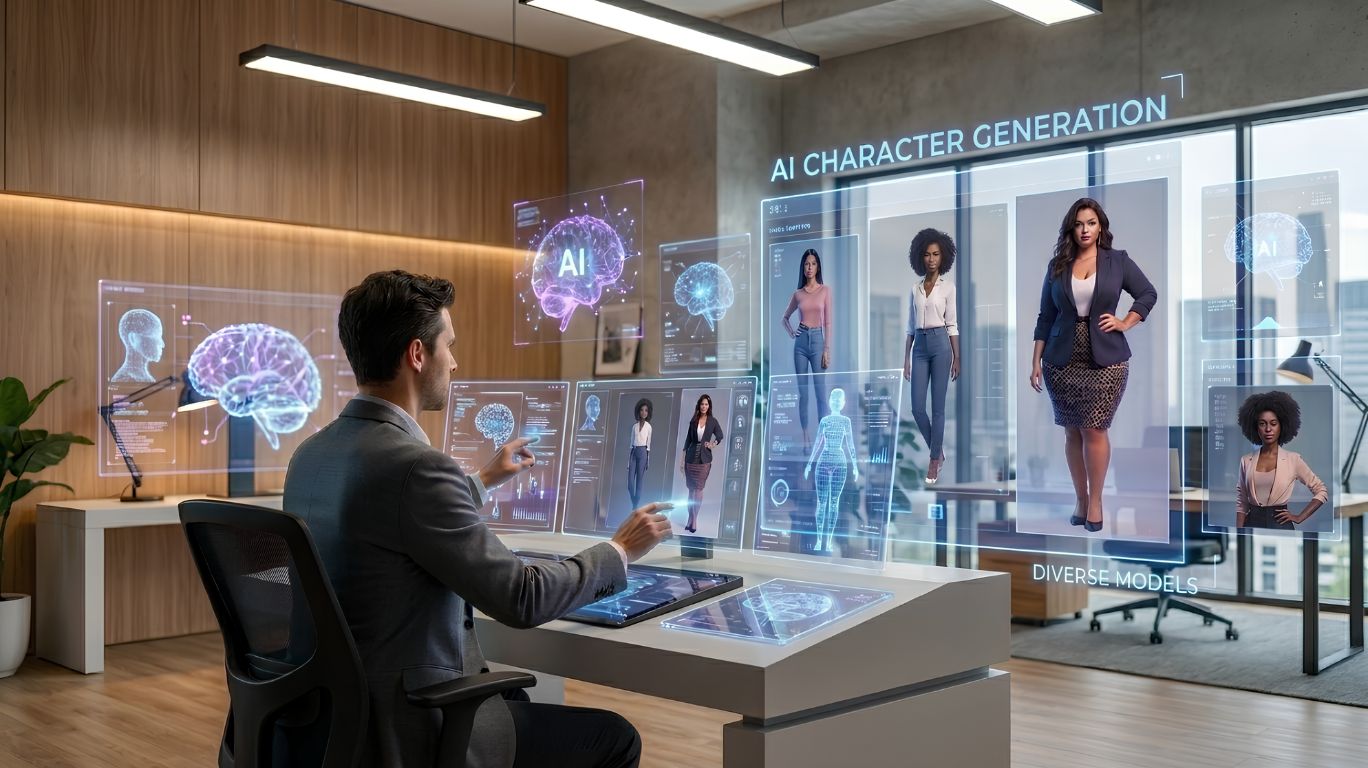
AI-powered creative tools make professional-quality character design more accessible than ever. Whether users create AI avatars, concept art, or virtual influencers, these platforms simplify the design process while offering significant creative flexibility.
Main benefits include:
AI-powered image generation continues to transform digital creativity through advances in generative AI, text-to-image technology, and diffusion models. Whether creating AI avatars, digital humans, or virtual influencers, users can quickly produce customized characters for storytelling, gaming, fashion, and digital art.
As these technologies develop, creators should continue using AI responsibly by respecting ethical guidelines, promoting diverse representation, and following each platform’s licensing policies.
AI virtual models are computer-generated human characters created using text-to-image artificial intelligence tools.
No. Most tools work through text prompts, making them accessible to beginners.
Yes, but usage depends on the platform’s licensing rules. Always review commercial rights before publishing.
No. AI supports creative workflows but does not replace real human models or photography.