
AI image generation technology has rapidly developed, allowing users to create detailed visuals from text prompts. Among these tools are adult-oriented AI image generators, often referred to as NSFW AI generators. These platforms are designed to produce mature-themed or unrestricted artistic content based on user input.
While they offer expanded creative possibilities compared to traditional AI art tools, they also raise important questions about responsible use, content boundaries, and ethical creation practices.
This article explains how these tools work, why they are used, and the key considerations users should understand before engaging with them.
An AI image generator NSFW refers to a type of text-to-image system that allows the creation of adult-themed or mature artistic content. These tools use machine learning models trained on large datasets of visual information to interpret prompts and generate images.
Unlike general-purpose AI platforms that restrict sensitive outputs, these systems provide fewer content limitations, allowing broader creative interpretation of user prompts.
However, the output still depends heavily on the input description, style settings, and model configuration used by the platform.
NSFW AI image generators use machine learning models trained on large datasets of images and text descriptions. These systems interpret user prompts and generate visual outputs based on learned patterns.
Most platforms follow a similar technical process:
This workflow is repeated behind the scenes each time an image is generated, allowing users to progressively refine outputs until they match their intent.
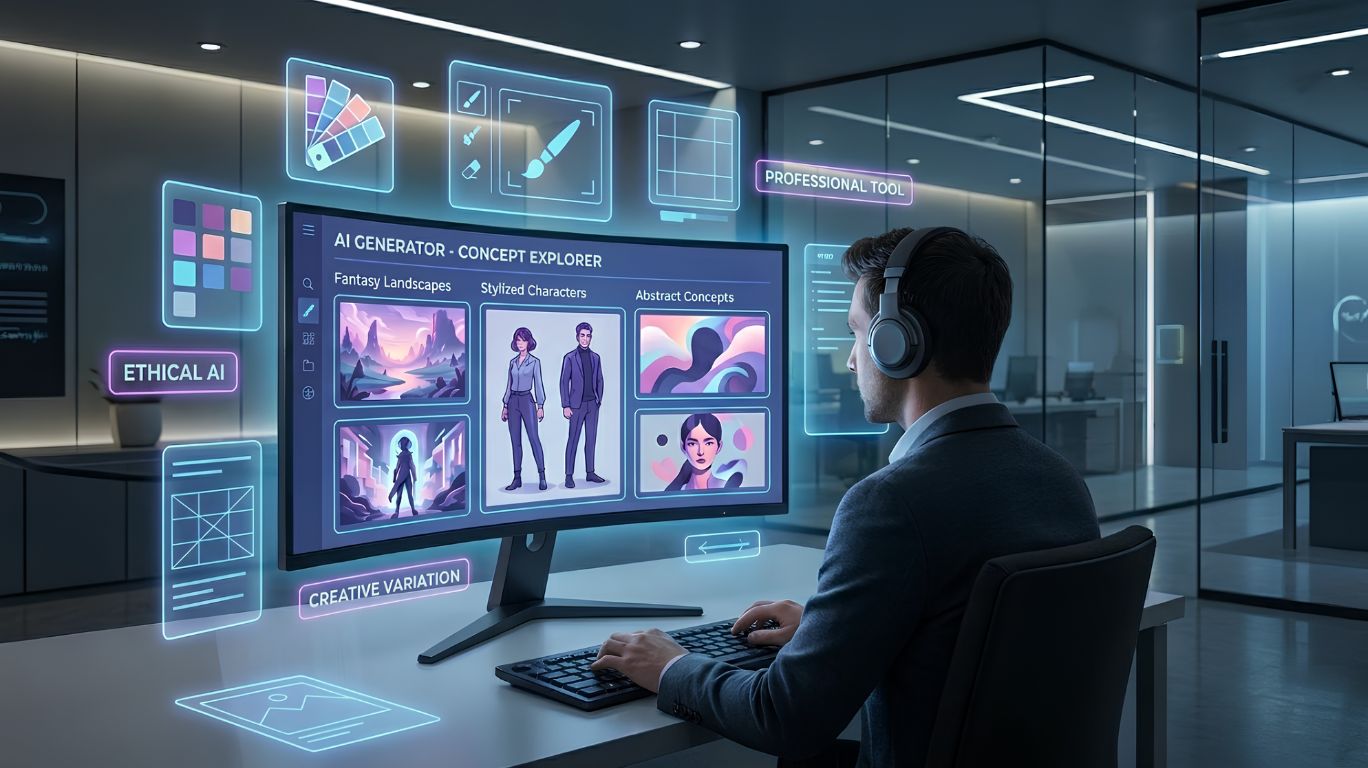
People use NSFW AI image generators for broader creative and technical reasons beyond adult content creation.
Artists and creators use these tools to experiment with visual storytelling, character design, and conceptual art without traditional production limits.
These platforms allow users to fine-tune visual elements such as composition, mood, and style, giving greater control over the final output.
AI-generated visuals help speed up the early stages of design work by quickly producing multiple variations of an idea.
Users can learn different visual directions such as realism, illustration, or fantasy within a single tool.
Instead of focusing on steps, users refine outputs through repeated adjustments, making the process highly adaptable and experimental.
The use of AI image generation tools requires careful attention to ethical and legal boundaries.
Using AI to generate explicit images of real people without their permission is both unethical and illegal in many countries. NSFW AI tools should only be used for fictional, artistic, or fully consensual projects.
AI models are trained on large datasets, some of which may include copyrighted works. To avoid potential issues, it’s best to use original prompts and avoid mimicking specific artists’ styles too closely unless permitted.
Even when your work is fictional or artistic, consider where and how you share it. Many platforms and audiences have rules regarding adult content, so always ensure your uploads align with community standards and age restrictions.
True artistic expression explores the human form, emotion, and the art of storytelling. Misuse, on the other hand, crosses into unethical territory. Treat AI-generated NSFW art as a creative medium, not a tool for exploitation.
By following these principles, artists can responsibly utilize NSFW AI tools while helping to normalize open and ethical discussions about digital art and expression.
AI image generation technology is expected to become more advanced, with improvements in realism, customization, and user control. At the same time, stronger safety systems and content governance frameworks are likely to be introduced.
Future developments may focus on:
The overall direction suggests a balance between creative freedom and responsible AI use.
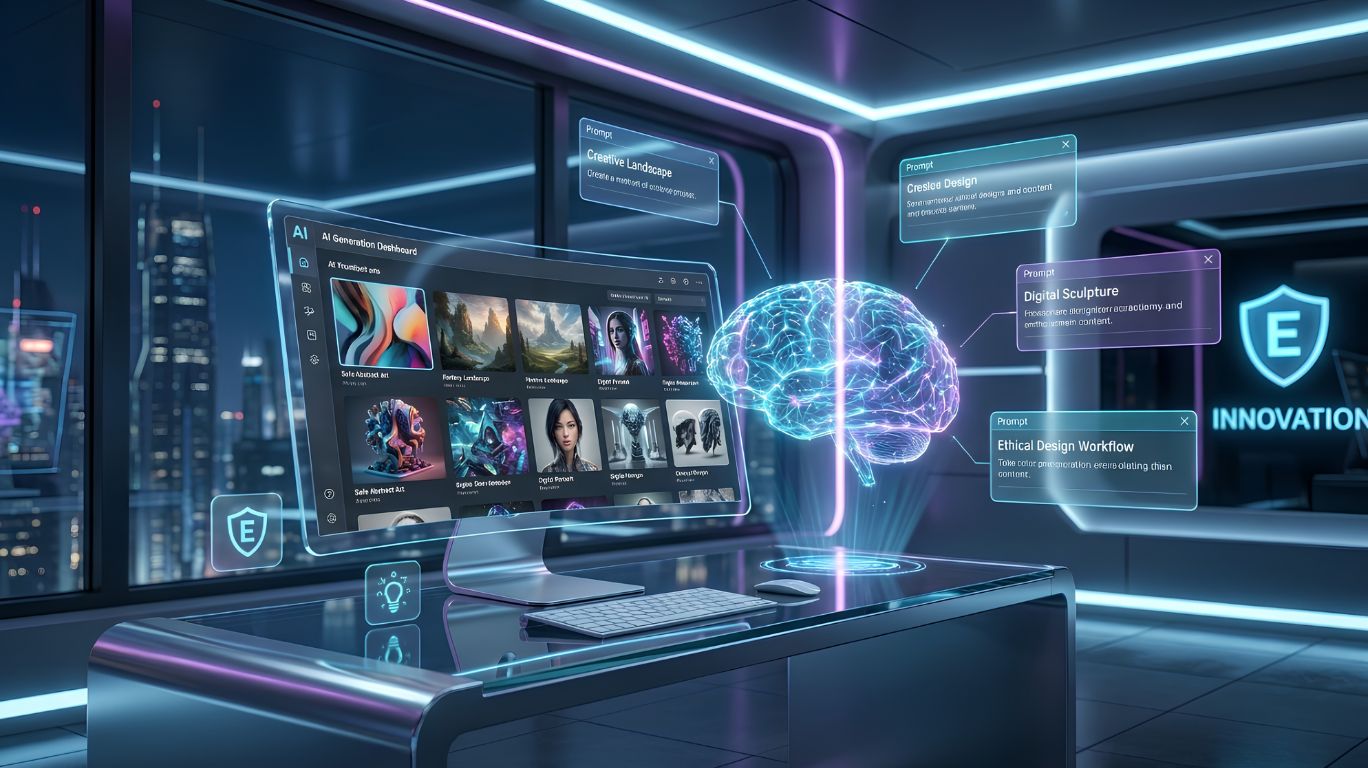
NSFW AI image generators are part of the broader evolution of AI-driven creativity, offering expanded possibilities for generating visual content from text prompts. While they provide greater flexibility than traditional tools, they also require careful and responsible use.
Understanding ethical boundaries, respecting consent, and following platform rules are essential to using these tools appropriately. When used responsibly, they can serve as a powerful medium for artistic exploration and concept development.
It is an AI tool that generates images from text prompts, including mature or adult-themed artistic content depending on platform settings.
Legality depends on the country, platform rules, and how the generated content is used. Users must follow local laws and service terms.
Some tools may technically allow it, but doing so without consent is unethical and may be illegal.
Not necessarily. Outputs can range from artistic and stylized visuals to more mature themes, depending on prompts and settings.
They are used for creative exploration, concept design, and artistic experimentation, alongside other digital art workflows.