
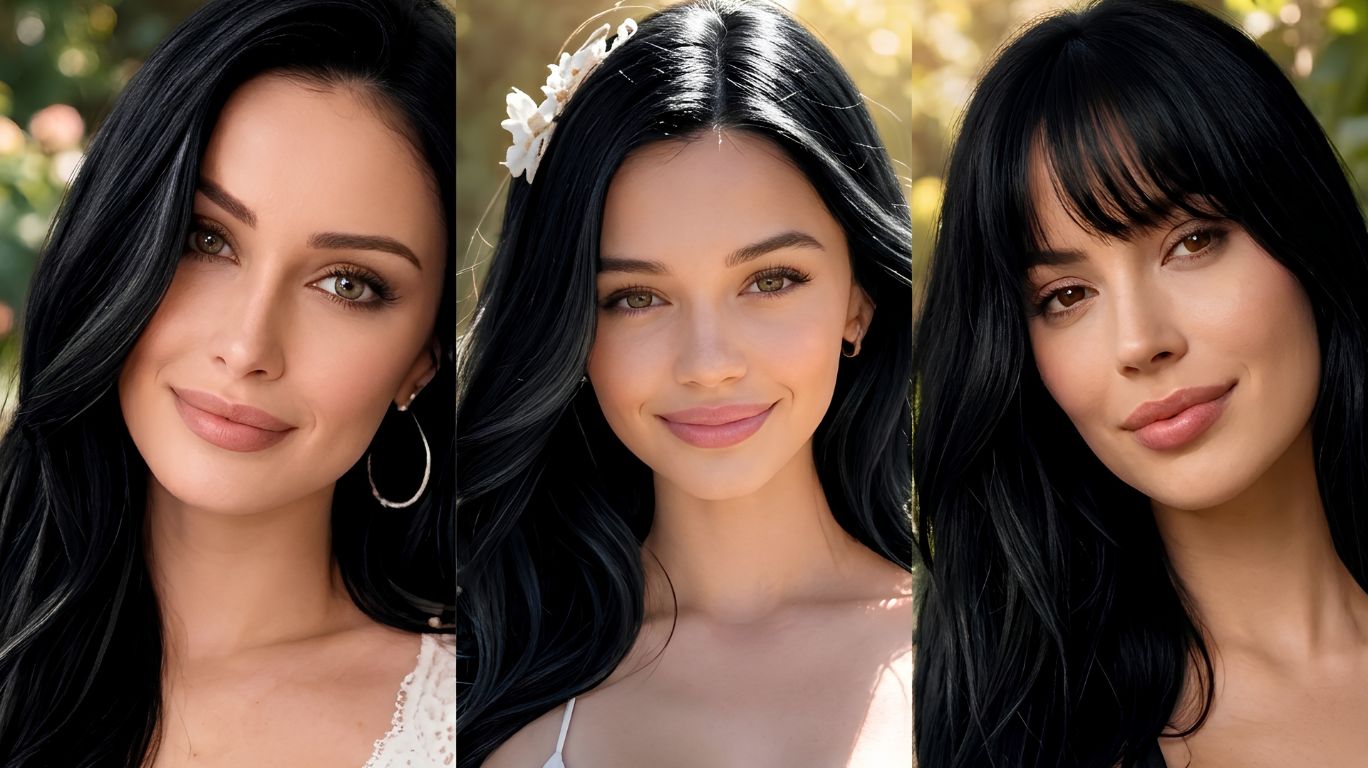
AI face swap technology uses machine learning to replace one person’s face with another in photos or videos. Modern systems analyze facial landmarks, expressions, and lighting to generate realistic synthetic media. Source: Wikipedia – Deepfake:
Face swapping is now used across filmmaking, social media, gaming, education, marketing, and content creation. As the technology becomes more accessible, it also raises important questions about privacy, consent, copyright, and responsible AI use.
AI face swap technology replaces a person’s face in an image or video using machine learning models. It works by analyzing facial structure, mapping key features, and generating a new synthetic version that matches expressions, lighting, and movement.
This technology is part of a broader field called synthetic media, which also includes deepfakes, AI avatars, and digital humans.
People use AI face swap tools for creative projects, entertainment, education, and personalized digital media. Most platforms let users upload a photo or video, select a replacement face, and generate edited content within minutes.
Common use cases include creating social media content, producing visual effects, generating custom avatars, and experimenting with digital storytelling. The growing availability of web-based and mobile applications has made these tools accessible to both professionals and casual users.
AI face swapping systems use deep learning models such as Generative Adversarial Networks (GANs) and diffusion-based models to generate realistic results. Sources: Wikipedia – Generative Adversarial Network; Wikipedia – Diffusion Model
For video applications, AI models also perform temporal consistency, which maintains stable facial features across consecutive frames. Without temporal consistency, rapid movement or changing camera angles can produce flickering, distorted expressions, or inconsistent facial alignment.
AI face swap tools are becoming more widely used because they reduce production time and cost for visual content creation.
Industries such as film, gaming, and digital marketing use this technology for visual effects and content localization.
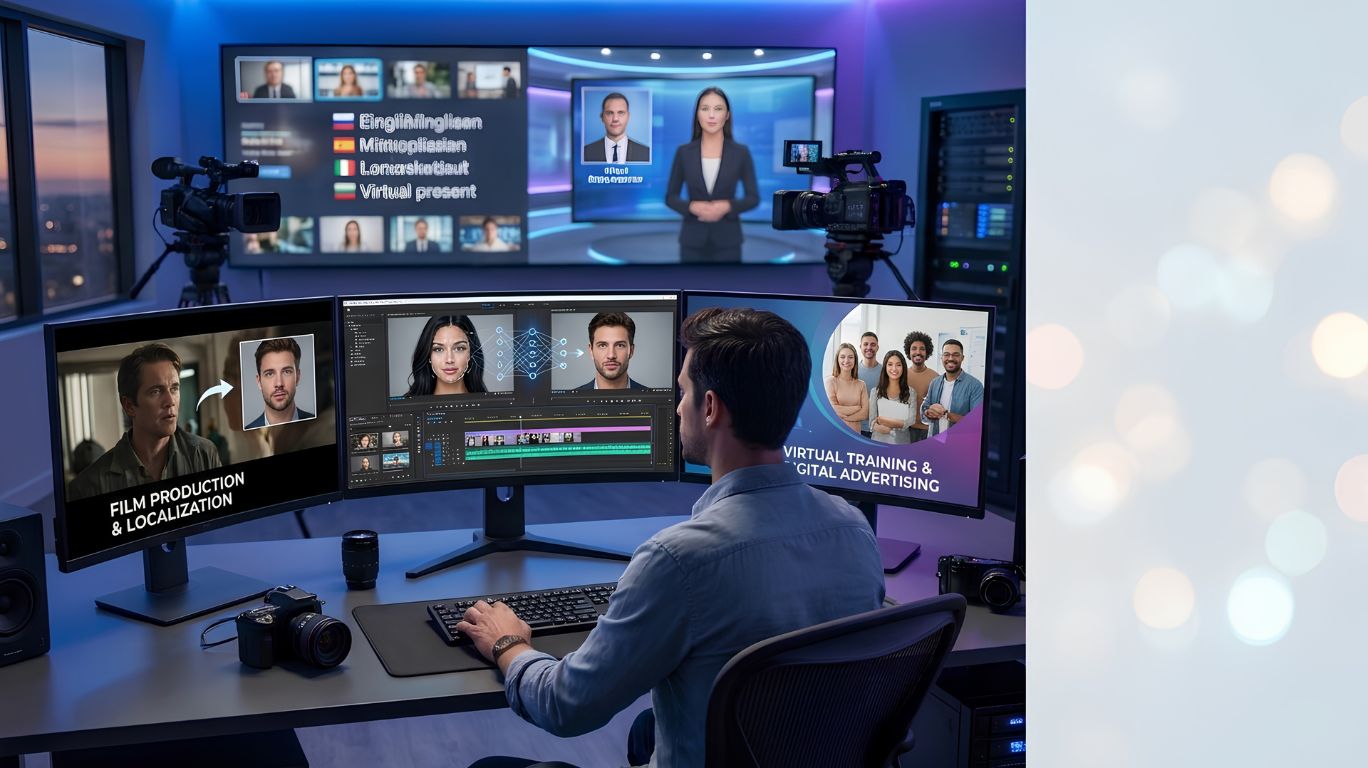
AI face swapping supports more than entertainment. Organizations use it to reduce production costs, localize content, and improve creative workflows without reshooting footage.
Common applications include:
These examples show that AI face swap technology has expanded beyond novelty. Businesses increasingly use it as a production tool that saves time while supporting personalized digital experiences.
Production teams increasingly use AI face replacement during post-production instead of reshooting scenes. For example, filmmakers can improve continuity by replacing an actor’s facial performance without recreating an entire scene, while advertising agencies localize video campaigns by replacing presenters for different markets without organizing multiple filming sessions. These workflows reduce production costs and shorten editing timelines while preserving visual consistency.
Modern AI face swap systems can produce highly realistic results when they use high-resolution source images and consistent lighting. Newer diffusion models and advanced facial tracking significantly improve identity preservation compared with earlier deep learning systems.
However, realism still depends on several factors:
| Factor | Effect on Output |
| High-resolution images | Produce sharper facial details |
| Stable lighting | Improves color matching and realism |
| Limited head movement | Reduces visual artifacts |
| High-quality training models | Improves facial expression consistency |
Fast motion, poor lighting, or low-quality source images can still introduce distortions, making some AI-generated content easier to detect.
AI face swap technology provides several practical advantages in digital content creation.
These benefits make it a valuable tool in modern multimedia workflows.
AI face swapping creates valuable creative opportunities, but it also raises ethical, legal, and security concerns that developers, creators, and users should consider.
Major concerns include:
AI face swapping itself is generally legal, but usage determines legality.
It becomes illegal when:
Several countries are introducing deepfake regulations to address misuse of synthetic media.
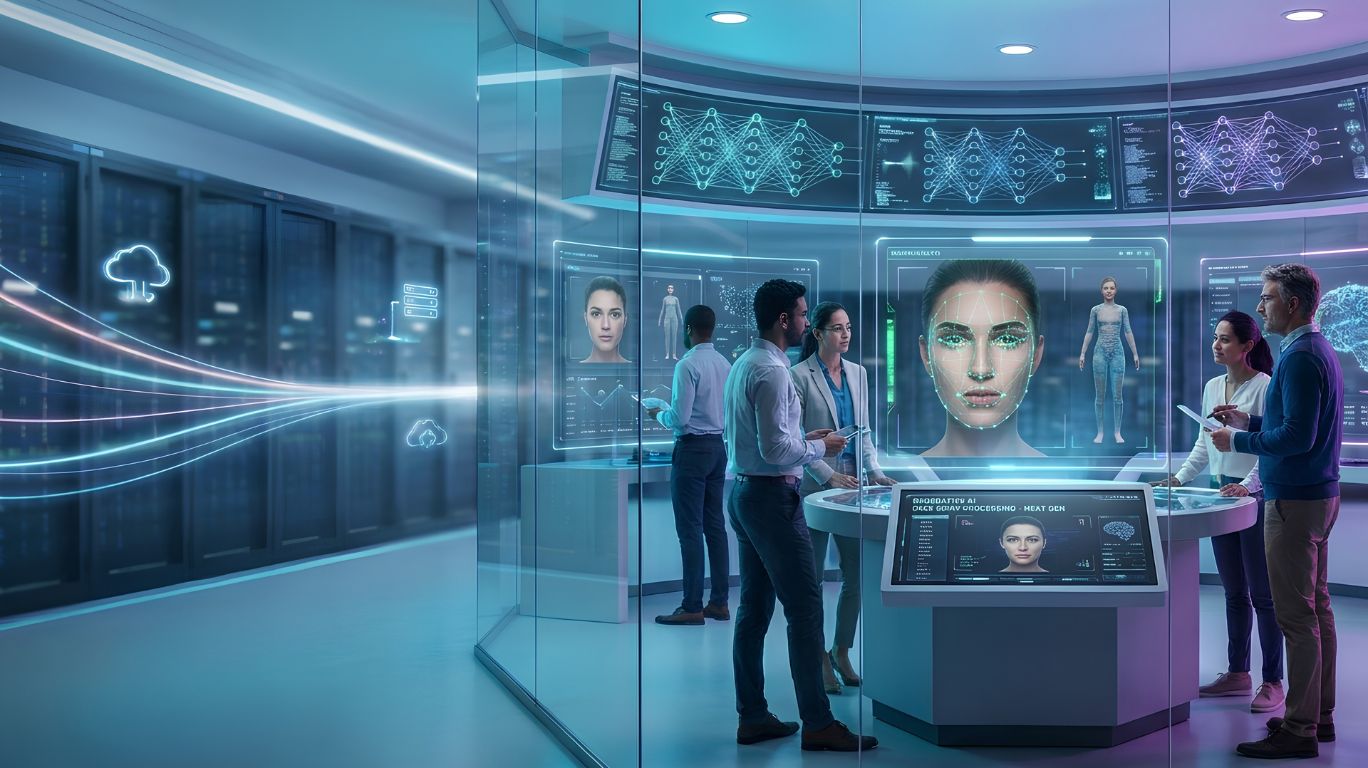
AI face swap systems are expected to develop rapidly with improvements in generative models and real-time rendering.
As the technology improves, regulation and detection systems will also become more important.
AI face swapping is a process where artificial intelligence replaces one person’s face with another in images or videos using deep learning models.
It is safe when used responsibly and with proper consent. Misuse can lead to ethical and legal issues.
Most systems use GANs (Generative Adversarial Networks) or diffusion-based AI models for realistic image generation.
Yes. AI detection tools can identify inconsistencies in pixel patterns, lighting, and facial structure.
It is used in film production, social media filters, gaming, education, and marketing content creation.