

Rubia is a fictional AI storytelling character designed for interactive conversations in narrative-driven environments. She uses conversational AI to create context-aware dialogue, character consistency, and immersive storytelling experiences.
Her appeal comes from how she blends everyday social settings with adaptive AI responses, creating a continuous narrative experience rather than static chat interactions.
Rubia is a virtual AI character created for interactive storytelling and role-based conversation design. She exists in a fictional blended-family scenario where users engage in structured narrative events such as holidays or family gatherings.
She is designed to simulate realistic conversation flow using contextual language modeling, not scripted responses.
Key characteristics include:
Rubia should be understood as a digital construct, not a real individual.
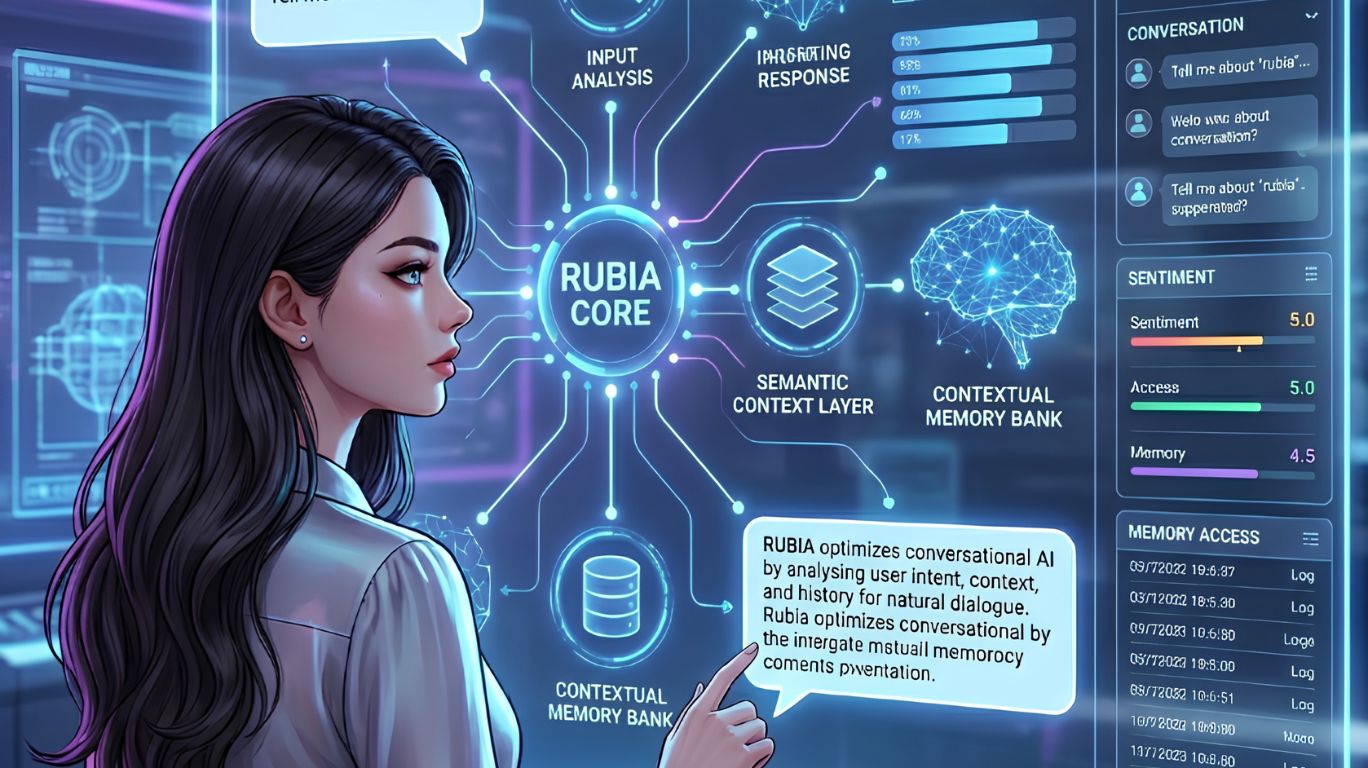
Rubia operates through modern conversational AI models that generate responses based on user input, dialogue history, and contextual patterns.
Instead of fixed scripts, the system adapts responses dynamically, which creates a continuous storytelling experience.
This approach aligns with research in conversational AI systems that emphasize contextual understanding, adaptive dialogue generation, and consistent user experiences. According to the NIST AI Risk Management Framework, trustworthy AI systems should prioritize transparency, reliability, and user safety. Research published through the ACM Digital Library and studies from Stanford Human-Centered AI (HAI) further highlight the importance of contextual awareness and human-centered design in conversational AI.
Users interact with Rubia mainly for immersive storytelling and conversational simulation. The appeal is not just the character itself, but the structure of the experience.
Rubia is placed in a blended family environment, which mirrors real-life situations where new family relationships form and develop over time.
Her story often takes place during events like New Year or Christmas gatherings, which naturally emphasize connection, reflection, and conversation.
Unlike static stories, Rubia responds in real time. Users influence how the conversation develops, making each experience unique.
Her responses are designed to reflect common human emotions such as curiosity, comfort, and social bonding, based on user input.
Rubia is structured around grounded, everyday scenarios instead of fantasy or action-based storytelling. This makes her more relatable for users who prefer realistic interaction models.
Key differences include:
This approach is part of a broader trend in AI storytelling where characters function as interactive narrative systems rather than static chatbots.
|
Feature |
Rubia | Traditional Chatbot |
|
Story Progression |
Dynamic |
Limited |
|
Context Retention |
High |
Variable |
|
Character Consistency |
Strong |
Often Weak |
| User Influence | High |
Moderate |
Rubia’s design reflects how AI systems simulate emotional context without being conscious or self-aware. Her responses are generated based on patterns in language and conversation flow.
Users often perceive this as emotional realism because:
However, it is important to understand that this is simulated interaction, not real emotional awareness.
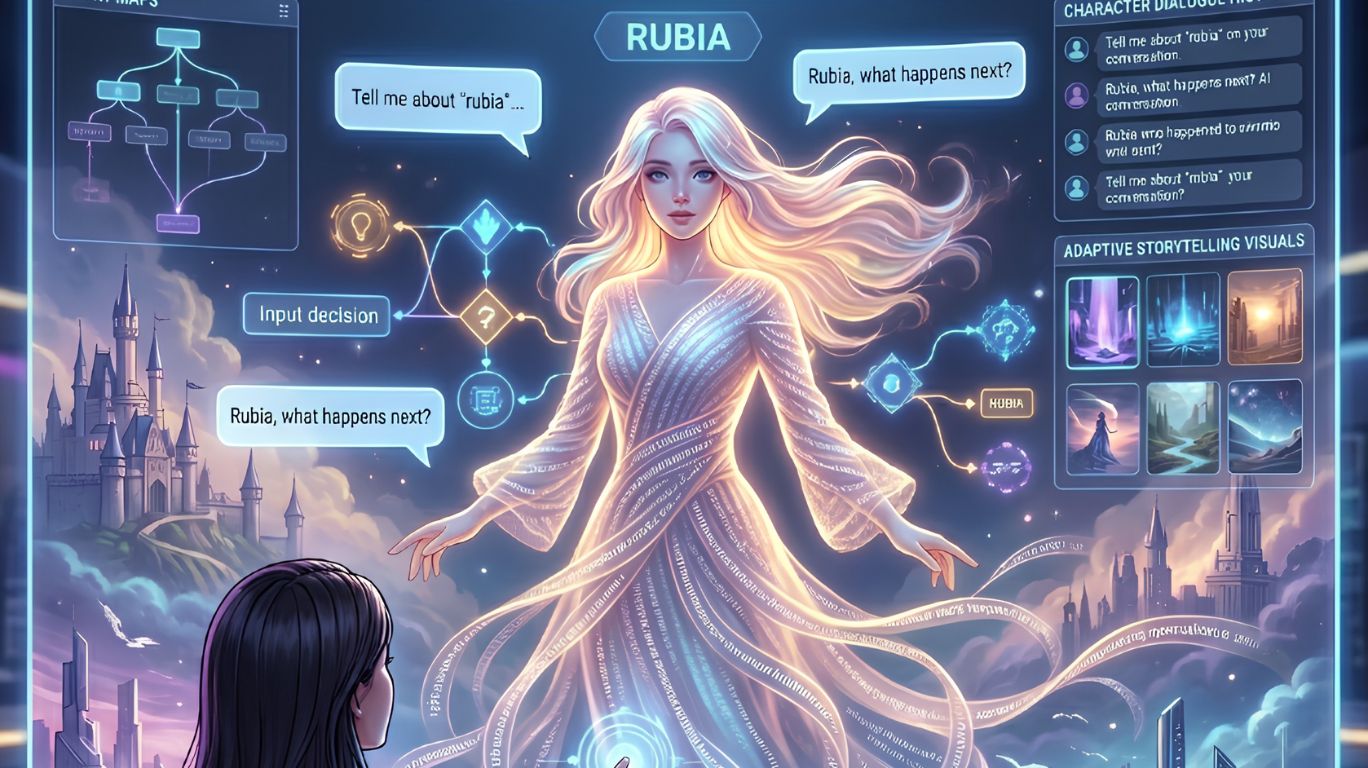
Rubia is an example of narrative AI companions, a category of AI systems designed to support interactive storytelling experiences.
These systems focus on:
This reflects a shift from simple question-and-answer bots to structured conversational environments.
Rubia is a fictional AI character. She does not represent a real person and should be understood as a digital storytelling construct.
Her purpose is entertainment and narrative interaction, not real-world relationship formation.
Rubia represents a modern form of AI-driven storytelling where users interact with structured fictional characters in real time. Her appeal comes from her realistic dialogue system, blended family scenario, and holiday-based narrative design.
As AI storytelling continues to develop, characters like Rubia demonstrate how conversational systems can simulate immersive experiences through context-aware dialogue and structured narrative design.
Rubia is a fictional AI character created for interactive storytelling systems. The focus is on narrative design rather than a publicly identified creator.
Rubia is used for AI-driven conversational storytelling and immersive character interaction experiences.
No. Rubia is a virtual AI character generated for entertainment and narrative purposes.
The blended family setting creates a familiar environment that supports realistic conversational storytelling.
Rubia reflects the shift toward interactive, context-aware AI characters that support ongoing narrative experiences instead of static dialogue.