
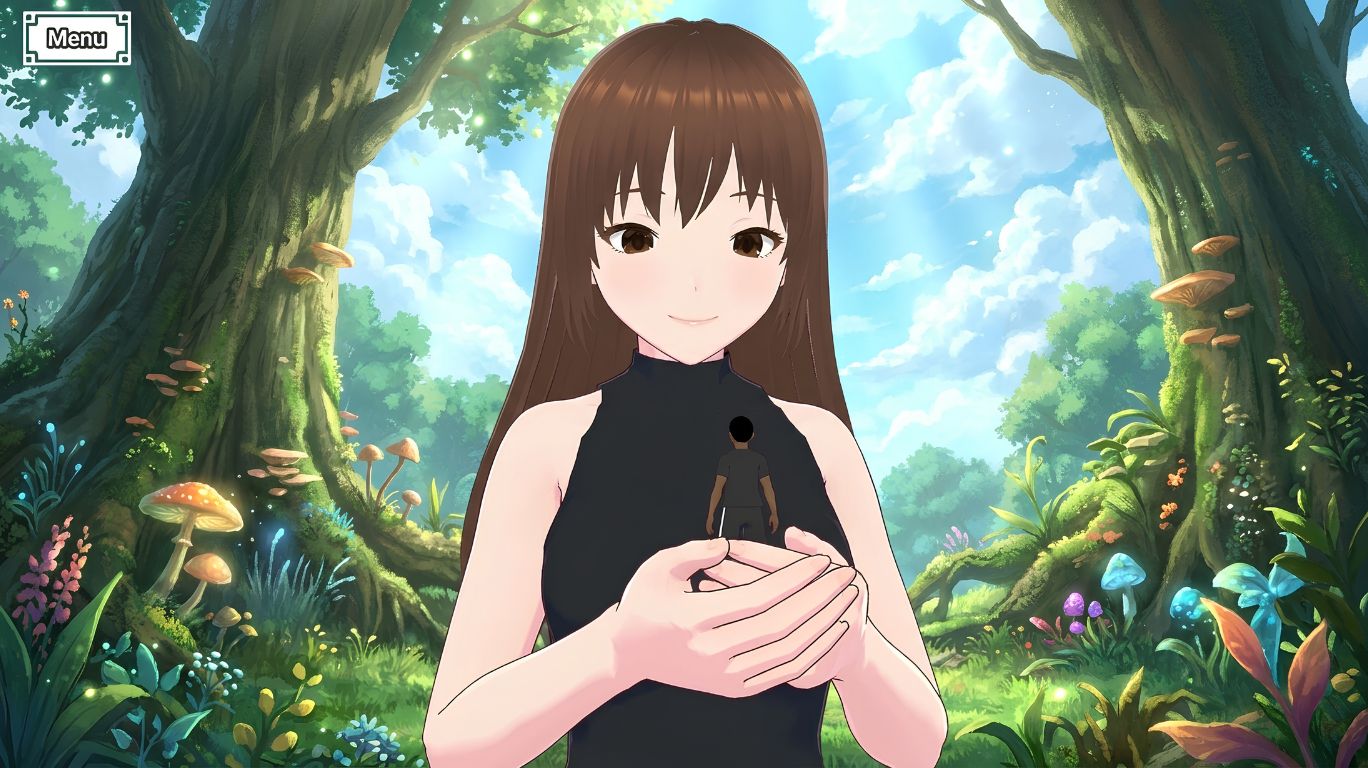
Giantess games are a niche but fascinating genre of interactive storytelling that immerses players in scenarios where they encounter giants in a giantess playground, often through the lens of the Giantess Fetish. In these games, players take on the role of a shrunken protagonist managing a world of enormous beings. Every decision matters, creating a thrilling sense of suspense and excitement.
A giantess game typically centers on a dramatic size difference between characters. Players often control a miniature protagonist who must manage encounters, challenges, and story events involving giant characters.
Key characteristics include:
Rather than relying on combat mechanics, these games encourage players to study different decisions and observe how those choices affect the story. This approach is common in interactive fiction, a genre built around player choices and branching narratives.
Source: https://en.wikipedia.org/wiki/Interactive_fiction
Most giantess games follow a “choose your own adventure” format. Players progress through the story by selecting from multiple options at critical moments.
Each choice may:
Because different decisions produce different outcomes, players often replay stories to learn routes they missed during earlier playthroughs.
Choices serve as the core gameplay mechanic.
A seemingly minor decision can alter future events, character relationships, or available story paths. This system creates a sense of agency and encourages players to think carefully before making a selection.
Many games also include hidden routes, making exploration an important part of the experience.
Replayability remains one of the genre’s biggest strengths.
Players can revisit the same story multiple times and understand:
This variety keeps the experience engaging long after the first playthrough.
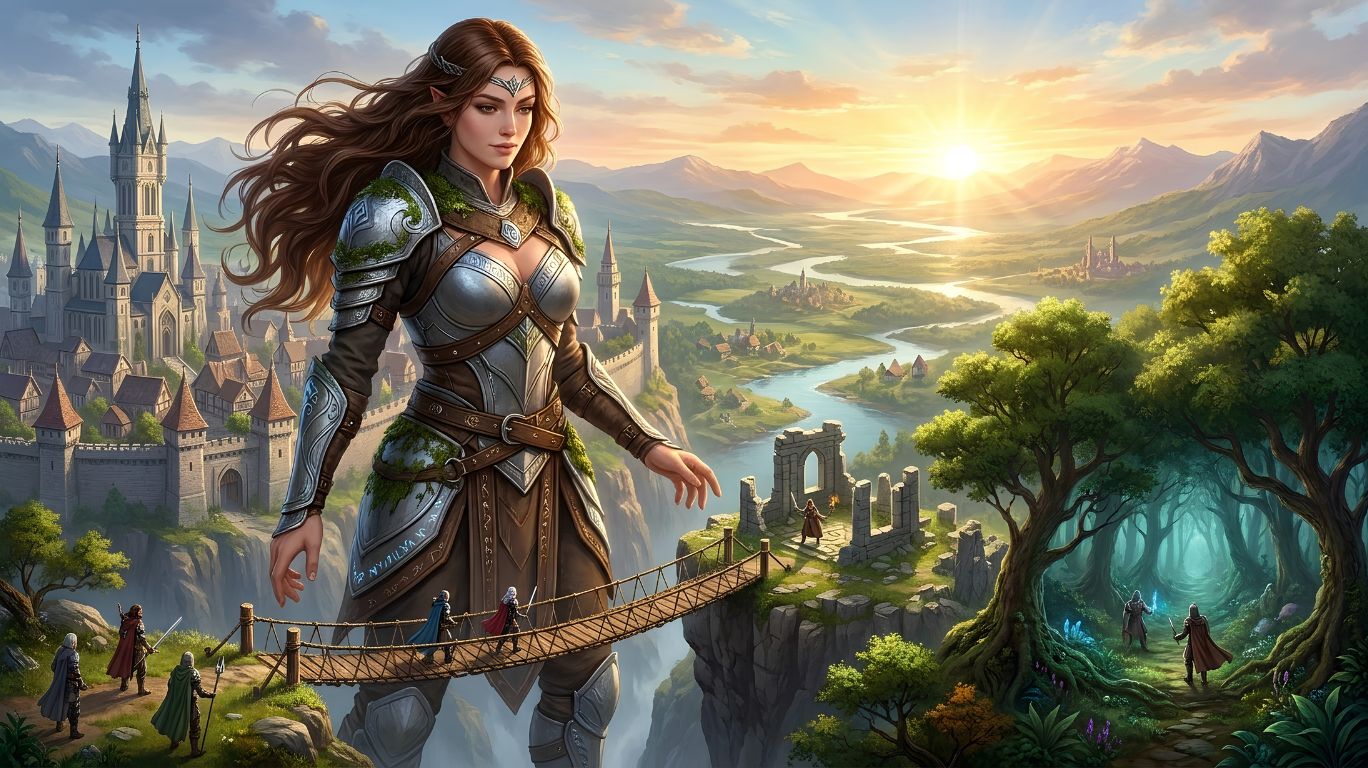
Players often appreciate giantess games because they combine storytelling, fantasy, and interactive decision-making.
Common reasons for their popularity include:
The dramatic difference in scale creates tension and curiosity. Players become invested in the protagonist’s journey and the consequences of their choices.
Every decision contributes to the narrative. Players actively shape the story rather than simply observing it.
The genre allows players to experience imaginative scenarios within a fictional environment. Interactive storytelling provides a structured way to engage with these concepts through narrative choices.
Multiple paths and endings encourage experimentation. Players can experience a different version of the story with each playthrough.
|
Feature |
Giantess Games | Traditional Interactive Stories |
|
Core Theme |
Size-difference fantasy scenarios |
Broad range of themes |
|
Story Structure |
Branching narratives |
Branching narratives |
|
Player Choices |
Central gameplay mechanic |
Central gameplay mechanic |
|
Replay Value |
Often very high |
Varies by title |
|
Character Dynamics |
Focus on dramatic scale differences |
Varies by genre |
| Exploration | Multiple routes and outcomes |
Multiple routes and outcomes |
While both formats rely on player decisions, giantess games distinguish themselves through their unique fantasy setting and emphasis on scale-based storytelling.
Players can improve their experience by approaching each story thoughtfully.
Consider these strategies:
Taking time to learn different possibilities often reveals content that players may miss during an initial playthrough.
The combination of fantasy, choice, and narrative depth helps giantess games stand apart from many other interactive experiences.
Several elements contribute to their appeal:
For players who enjoy interactive fiction and choice-based adventures, the genre offers a unique storytelling experience with numerous paths to study.
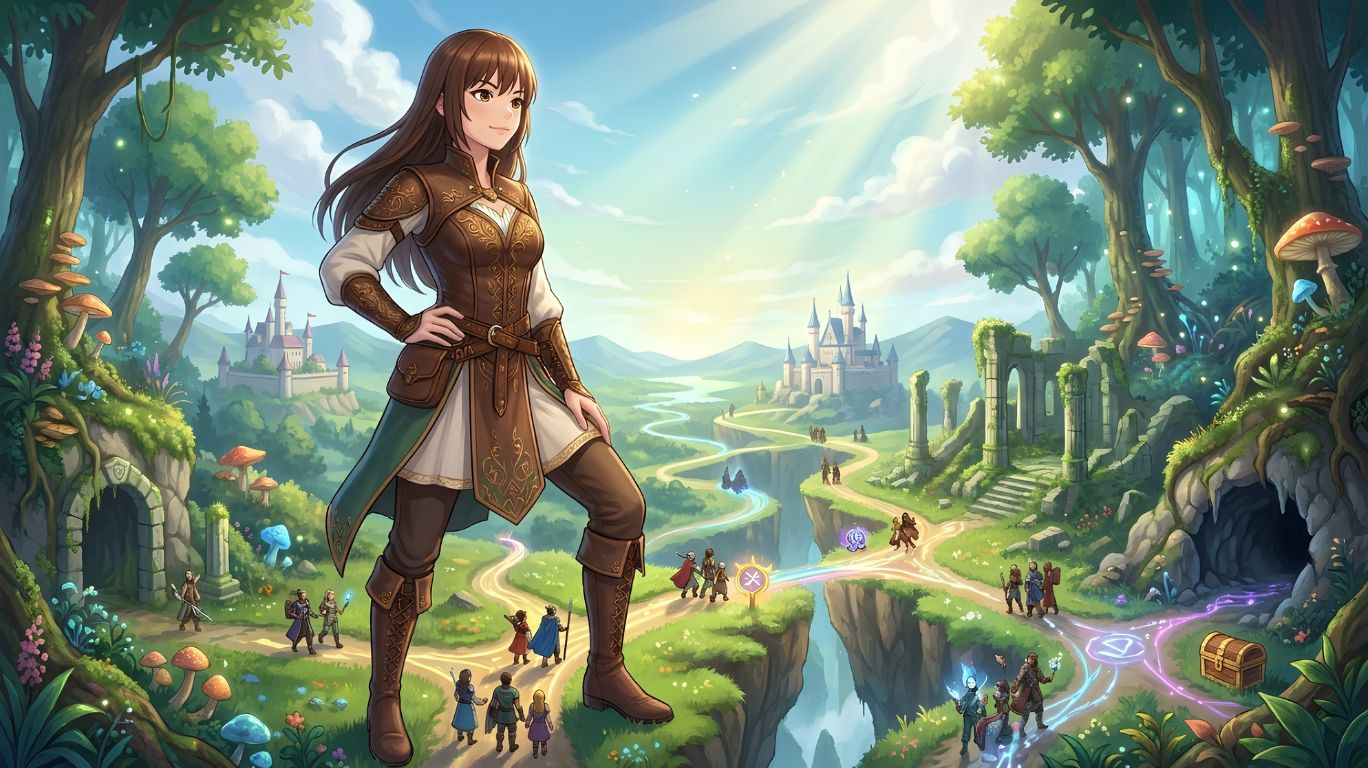
Giantess games blend interactive fiction with choice-driven gameplay, creating experiences that reward curiosity and experimentation. Their focus on branching narratives, hidden paths, and player-driven outcomes gives readers multiple ways to engage with the same story. For fans of interactive storytelling, the genre offers a distinctive approach that emphasizes understanding, consequence, and replayability.
A giantess game is a choice-driven interactive story that features giant characters and a much smaller protagonist. Players make decisions that shape the narrative and influence the ending.
Some giantess games contain mature themes, while others focus on fantasy storytelling without adult content. Players should review age ratings and content descriptions before playing.
Yes. Most giantess games use branching narratives where player decisions can lead to different storylines, character interactions, and endings.
Yes. Multiple routes, hidden content, and alternate endings encourage replayability.
No. Most titles focus on reading, decision-making, and story exploration rather than fast reflexes or complex mechanics.
Many players enjoy the genre because it combines interactive storytelling, fantasy concepts, meaningful choices, and high replay value within a unique narrative framework.
For readers interested in interactive storytelling and game design: