
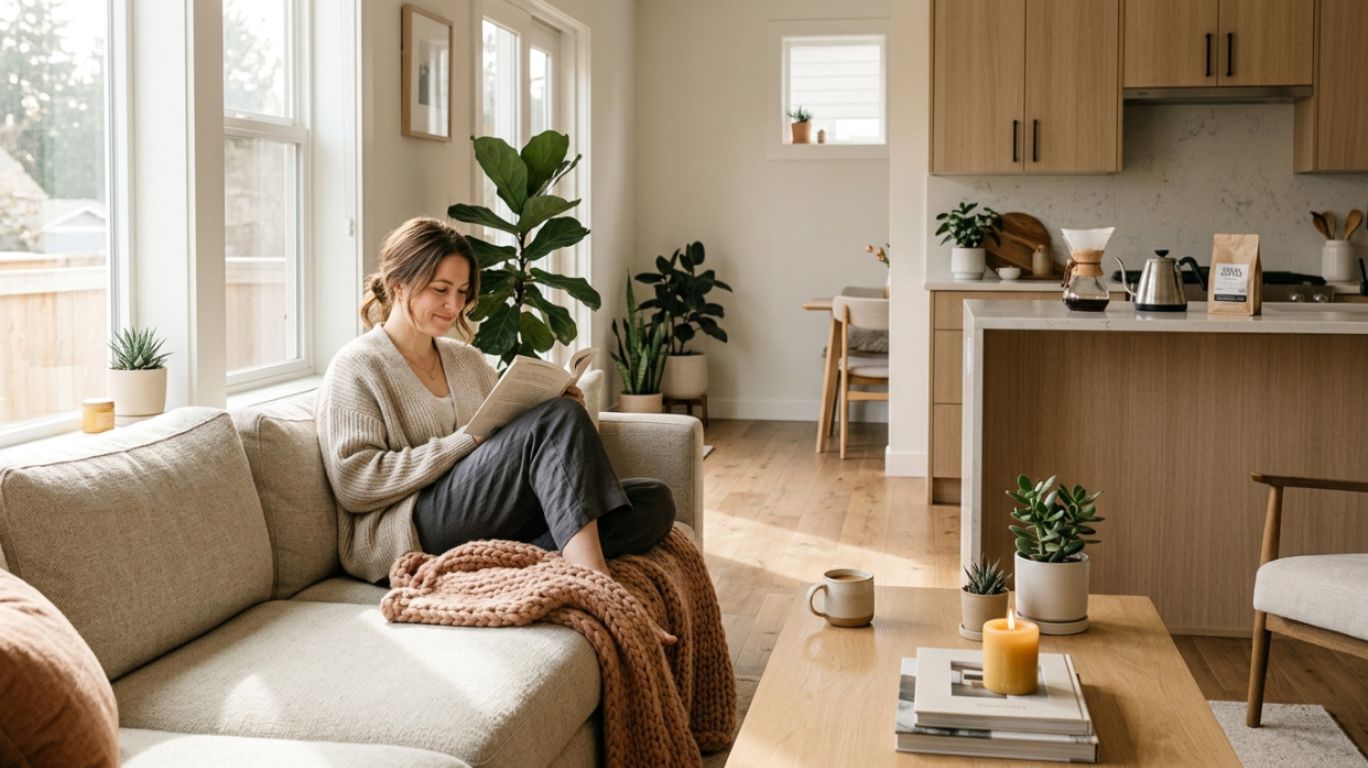
Modern life often moves quickly, with work schedules, digital distractions, and constant responsibilities competing for attention. In the middle of all that movement, many people find comfort in something simple and familiar: home life. This is where the concept of domesticity comes in.
While the idea may sound traditional, domesticity remains highly relevant today. Many people are rediscovering the value of slowing down, nurturing relationships, and creating a home that supports both physical and emotional well-being.
At its core, domesticity is about the care and management of the home. The word itself comes from the idea of domestic life, meaning life within the household. It reflects the routines and responsibilities that keep a home running smoothly.
Domesticity can include many different tasks and roles, such as:
These activities may seem ordinary, but they play an important role in daily comfort and stability. A well-maintained home can reduce stress, encourage productivity, and create a space where people feel safe and relaxed.
Domesticity is not limited to any particular gender or family structure. In modern households, these responsibilities are often shared among partners, roommates, or family members. The focus is less about traditional roles and more about teamwork and mutual care.

Domesticity shapes many aspects of everyday living. When people invest time in maintaining their home, they often create a stronger sense of order and calm in their lives.
One of the biggest benefits of domesticity is routine. Daily household habits help structure the day and make life more predictable. Simple routines like cooking dinner, tidying up, or planning the week can make a household feel organized and balanced.
Domesticity also supports emotional well-being. A clean and comfortable home environment can influence mood, reduce anxiety, and provide a place where people can recharge after a busy day.
For many families, domesticity strengthens relationships. Shared meals, family conversations, and time spent together at home help build connection and trust. Even small traditions such as weekend cooking or movie nights can become meaningful parts of family life.
Domesticity also encourages mindfulness about the space people live in. Taking care of the home can foster appreciation for everyday comforts, from a cozy living room to a well-prepared meal.
Although the idea of domesticity has historical roots, it has evolved significantly over time. In the past, domestic roles were often assigned based on strict gender expectations. Today, the concept is much more flexible and inclusive.
Modern domesticity focuses on cooperation, balance, and personal choice. Many households divide responsibilities based on schedules, skills, or preferences rather than tradition.
Some modern trends connected to domesticity include:
Technology has also changed how people approach domestic life. Smart appliances, online grocery services, and budgeting apps make household management more efficient than ever.
Social media has also influenced domesticity. Platforms often showcase home decor ideas, cleaning routines, and cooking inspiration, encouraging people to take pride in their living spaces.
Rather than being seen as outdated, domesticity is increasingly viewed as a lifestyle choice that supports comfort, creativity, and personal well-being.
Embracing domesticity can provide a wide range of personal and practical benefits. A well-managed home environment often supports both mental health and everyday productivity.
Some of the key benefits include:
|
Benefit |
Description |
|
Improved organization |
Daily routines help maintain a clutter-free and structured home environment |
|
Reduced stress |
A calm and clean space supports emotional balance and mental clarity |
|
Stronger relationships |
Shared responsibilities and time at home improve communication and trust |
|
Greater comfort |
A well-maintained home creates a sense of safety and relaxation |
| Creative expression |
Home activities like decorating or cooking encourage personal creativity |
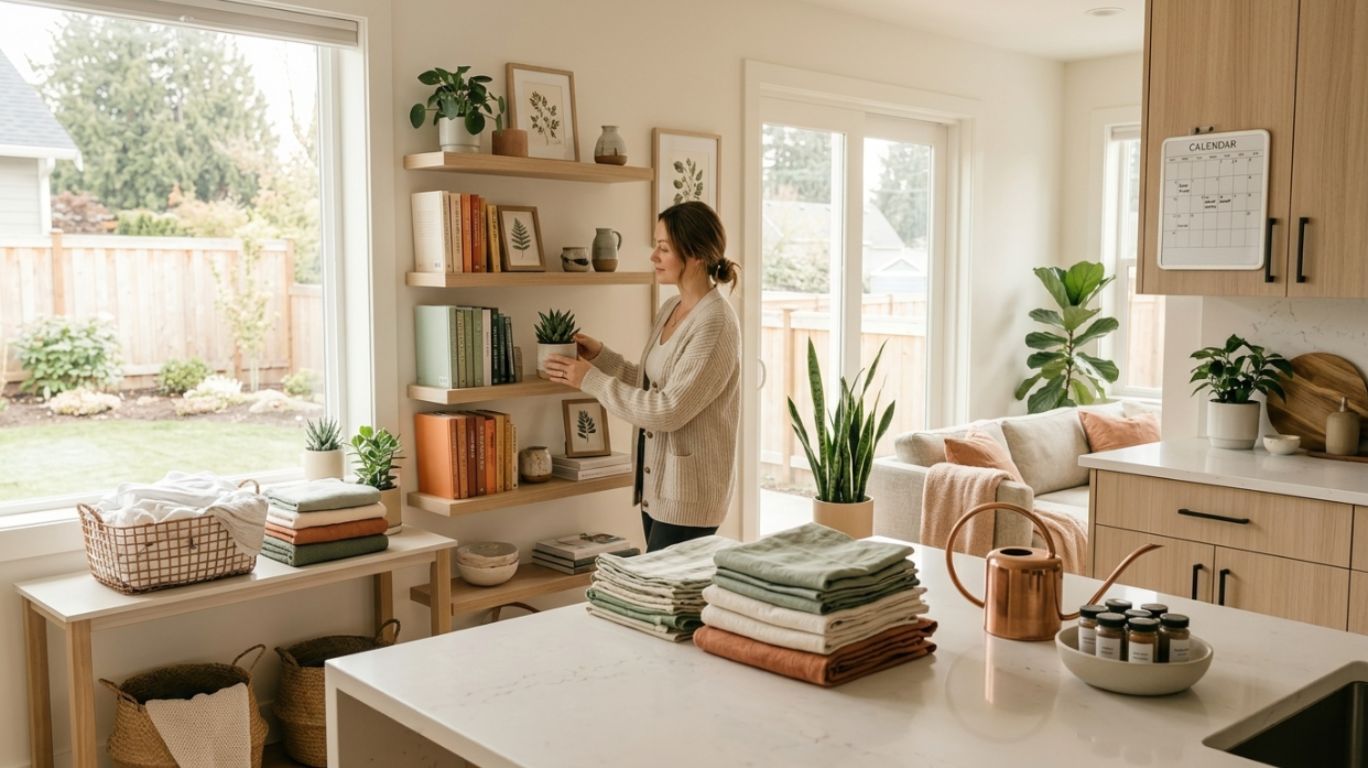
Developing domestic habits does not require major lifestyle changes. Often, small routines and simple adjustments can help create a more balanced home life.
Here are some ways people can embrace domesticity in their daily routines:
Start with simple household routines. Daily habits like making the bed, washing dishes after meals, or tidying up common spaces can make a big difference over time.
Create comfortable living spaces. Decorating with soft lighting, plants, or personal items can make the home feel more welcoming and relaxing.
Plan meals and schedules. Meal planning and weekly organization can reduce stress and make daily tasks easier to manage.
Share responsibilities. Domestic life works best when household tasks are divided fairly among everyone living in the home.
Practice mindful living. Taking time to appreciate the comfort and stability of home life can make everyday activities feel more meaningful.
The goal of domesticity is not perfection. Instead, it is about building a living environment that supports comfort, connection, and everyday happiness.
Domesticity represents more than just household chores. It reflects a lifestyle centered on caring for the home, supporting loved ones, and creating a comfortable living space. Through everyday routines such as cooking, cleaning, organizing, and decorating, domesticity helps maintain a balanced and welcoming environment.
By embracing domestic habits and focusing on the comfort of home life, people can create a space that supports relaxation, connection, and personal satisfaction. Explore more lifestyle insights and interactive experiences by visiting girlfriend.ai.