

When people talk about sex and intimacy, including sexual pleasure, one term that often confuses is CNC sex term, short for “Consent to No Consent,” also known as consensual non-consent. While it originates from the BDSM community, where trust and communication are essential, it’s often misunderstood or misused outside of that context. Knowing what CNC truly means—and what it doesn’t—helps promote safety, respect, and clear communication in all intimate relationships.
This guide studies the meaning of CNC and consensual non-consent. It studies consensual non-consent, how it’s used responsibly among consenting adults, and why real consent is always non-negotiable.
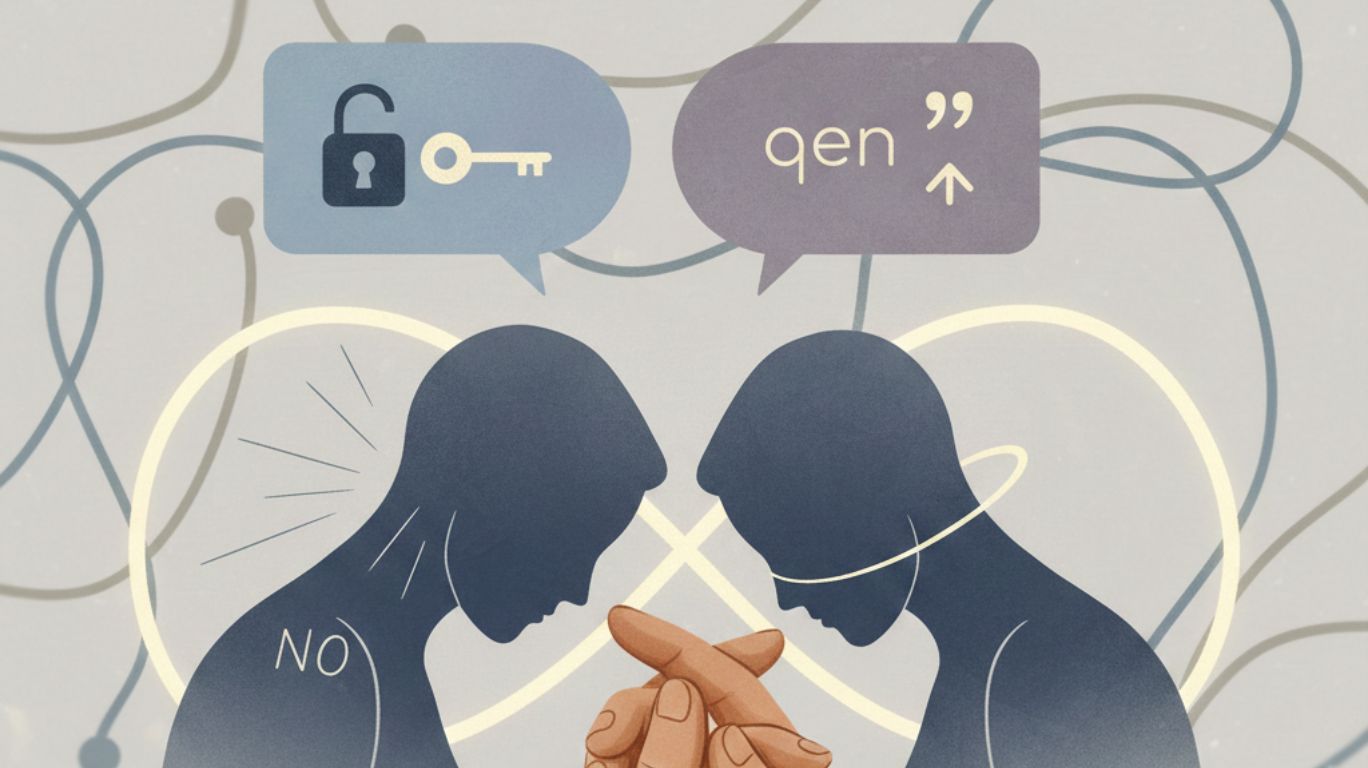
CNC, or “Consent to No Consent,” describes a mutually agreed-upon sexual dynamic and can include CNC roleplay fantasies where one person gives their partner permission to act as if consent has already been granted. It’s sometimes referred to as “rape play,” but that term can be misleading and problematic if used without context.
In healthy BDSM circles, considering the power dynamics, CNC doesn’t mean someone gives up their rights. Instead, it’s a form of role play built on deep trust, where both partners have talked in detail about boundaries, limits, and safe words before anything happens.
To put it simply, CNC is not “doing whatever you want” in the realm of kinky play. It’s about mutual understanding of sex fantasies, what’s allowed and what isn’t—long before the scene starts.
The foundation of any CNC arrangement is communication among the partners involved. Partners must have open, honest discussions about:
Without these conversations, there’s no real consent—just risk of emotional trauma.
People in the BDSM community often emphasize that CNC only works when everyone involved feels safe from consent violations. If someone feels pressured, unsure, or unable to say no, that’s not CNC—coercion.
Trust is key here. CNC scenes typically occur between partners with an established relationship and a history of respecting boundaries. The goal is to learn sexual fantasies in a safe, consensual environment, not to blur the line between pleasure and harm.
Unfortunately, many people encounter the term CNC through social media or adult content that skips over the most critical part—the consent conversation. This can lead to dangerous misunderstandings.
Some of the most common misconceptions include the idea that CNC is similar to non-consensual sex.
These misunderstandings have unfortunately led to real harm, sometimes involving physical force. Many organizations have reported people being pressured into activities, including forced sex, under the false label of CNC, when in reality, they never gave informed consent.
Understanding the difference between consent and coercion is essential in real life.
Real consent means:
If someone says “yes” out of fear, guilt, or pressure, that’s not consent. It’s compliance—and that distinction matters.
CNC must always exist within a framework where consent can still be revoked during CNC engagement. Even if a scene involves pretending to remove consent, everyone knows that a safe word or clear signal ends it immediately. That’s what separates responsible CNC play from sexual assault.

For adults understanding CNC responsibly, here are a few important guidelines:
By keeping these principles in mind and considering findings from sex research, CNC can remain what it was always meant to be: a form of consensual roleplay rooted in mutual respect, safety, and understanding.
CNC, or “Consent to No Consent,” is a complex concept that requires a complete understanding of various CNC scenarios, open communication, and mutual trust. While it can be part of safe and consensual adult play, including consensual non-consent, CNC must never be used as an excuse for crossing boundaries or ignoring someone’s right to say no.
At its core, CNC only works when everyone involved is fully informed, comfortable, and free to stop at any time. Without that, it’s no longer CNC—it’s abuse.
Learning meaningful conversations and authentic AI companionship at girlfriend.ai, where connection starts with consent, respect, and understanding. Newgirlfriend.ai offers many AI companions to choose from as well as free and premium versions of the site.
CNC stands for “Consent to No Consent.” It’s a term used within the BDSM and kink community to describe a pre-negotiated roleplay dynamic where one partner permits the other to act as if consent has already been granted. This does not mean there’s no consent—it’s a fantasy scenario based on explicit, informed, and ongoing agreement between adults who deeply trust each other. Without that foundation of trust and communication, CNC is not consensual and can quickly cross into assault.
CNC is sometimes referred to as “rape play,” but that label can be misleading as it pertains to specific sexual acts. While both involve roleplay that mimics non-consensual scenarios, CNC is built entirely on consent—every detail is discussed and agreed upon beforehand. Rape, on the other hand, involves no consent and is a criminal act. The difference lies in mutual understanding, communication, and the ability to stop anytime.
Absolutely. Consent can always be withdrawn, even during a CNC scene, to avoid any chance of physical injury. Many partners use a safe word or gesture to stop the activity if one person becomes uncomfortable immediately. This is what makes CNC a form of consensual play rather than coercion. If anyone ignores a safe word or refuses to stop when asked, that’s no longer CNC—it’s assault.