

When it comes to relationships and intimacy, consent is everything. Most people are familiar with the idea that both partners must say “yes” for any sexual activity to be safe, respectful, and healthy. But what happens when you hear the phrase CNC in the context of relationships and consensual sex?
CNC stands for “Consensual Non-Consent,” a term that comes from the BDSM and kink community. At first glance, it may sound contradictory—how can someone agree not to agree? This concept can be confusing; unfortunately, it has also been misused and misrepresented in harmful ways. That’s why understanding what CNC really means in relationships is so important. CNC is about learning forced sex fantasies or sex fantasies involving power and control in a safe, consensual way, which is very different from non-consensual acts in real life.
CNC, or Consensual Non-Consent, is a role-play dynamic in which one partner gives prior permission to act out scenarios that simulate a lack of consent. While the label sounds contradictory, the practice is built on trust and communication.
CNC play involves a range of gender roles and relationship types, not just traditional stereotypes. It can be practiced in same-sex, female-dominant, and other non-traditional dynamics.
At its core, CNC only works if both people have given full, informed consent. Consent must be:
This framework, sometimes called F.R.I.E.S. (Freely given, Reversible, Informed, Enthusiastic, Specific), ensures CNC remains safe and consensual. If a partner refuses to respect these guidelines, it’s not CNC—it’s coercion or assault.
In recent years, CNC has been misrepresented, especially online. Social media clips and adult content often skip the behind-the-scenes consent conversations that make CNC safe in real practice. As a result, some people mistakenly think CNC means “anything goes” or that partners should never say “no.” Misunderstanding CNC can lead to consent violation and emotional harm.
This is dangerous. Some harmful misunderstandings include:
The potentially dangerous nature of CNC means that clear boundaries and consent are essential to prevent serious emotional or physical consequences. Some people, especially women, may fantasize about forced sex as a form of sexual blame avoidance, and these sexual behaviors are not necessarily linked to trauma or emotional issues. Rape fantasies and rape fantasies are among the most common sex fantasies, but they are very different from real-life non-consensual acts.
When CNC is warped this way, it crosses into sexual assault. True CNC is always rooted in respect, communication, and the right to stop at any moment.
Safety and trust should come first if you and your partner are curious about learning CNC. Here are some essential tips:
Healthy CNC play, especially in the context of sexual fantasies, requires maturity, communication, and an understanding that consent can always be withdrawn. If CNC activities cause emotional distress or safety concerns, seeking professional help from a therapist or counselor is recommended.
Aftercare is vital to any cnc scene, providing time and space for the parties involved to reconnect, process emotions, and address any physical or emotional needs that may arise. Engaging in cnc play can be physically and emotionally intense, so aftercare helps ensure everyone feels safe, supported, and valued after the experience.
Aftercare can take many forms, from cuddling and gentle conversation to sharing a meal or simply relaxing together. The key is to discuss aftercare preferences before the scene, so that everyone knows what to expect and feels comfortable expressing their needs. Couples can strengthen their trust and intimacy by prioritizing aftercare, making cnc a positive and affirming part of their relationship.
CNC play can bring a new level of excitement, trust, and intimacy to a couple’s sex life. For many, the thrill of studying CNC scenes and pushing boundaries in a safe, consensual way can deepen connection and enhance sexual desire. The open communication required for CNC play often leads to greater honesty and understanding between partners.
However, CNC play also comes with potential risks. If not practiced with care, it can lead to emotional trauma, physical injury, or misunderstandings about consent. It’s essential to approach CNC play cautiously, prioritize safety, and engage in ongoing conversations about boundaries and comfort levels. By weighing the pros and cons and maintaining a focus on consent and communication, couples can enjoy the benefits of cnc play while minimizing the risks and ensuring a healthy, satisfying sex life.
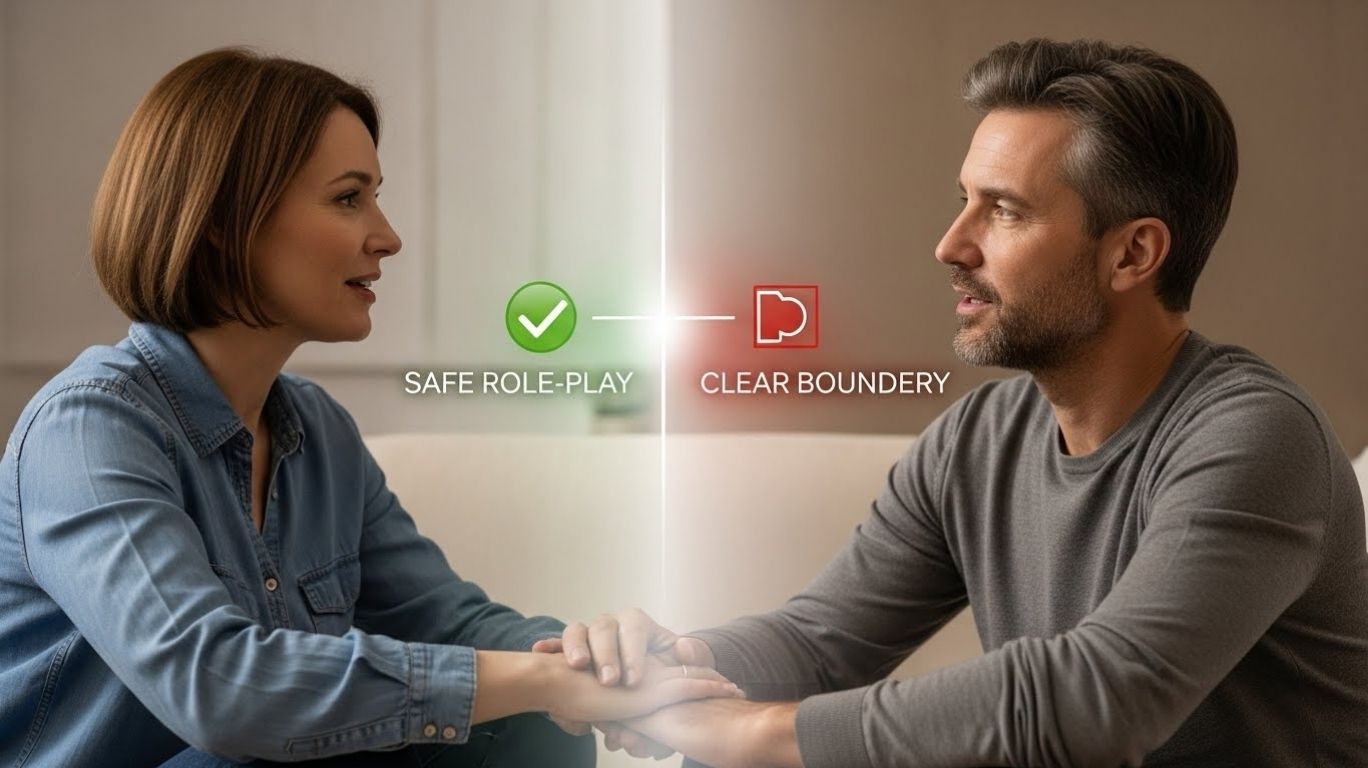
Understanding CNC is important because it highlights the line between safe role-play and harmful behavior. In a healthy relationship, partners should never feel pressured into situations they don’t want. Consent isn’t a one-time checkbox—it’s an ongoing agreement that protects both people and ensures intimacy remains safe and enjoyable.
CNC kink fantasies are a regular part of human sexuality, and CNC kinks are not inherently unhealthy when practiced consensually. People with certain mental health conditions or a history of sexual trauma should take extra care and may benefit from consulting a professional before learning CNC. Women’s health and psychological well-being are also important considerations when engaging in CNC or other forms of BDSM.
At the end of the day, CNC is about trust. Without trust, consent, and communication, it’s not CNC—it’s abuse. Educating ourselves and having honest conversations can protect ourselves and our partners while creating safe, consensual connections.
CNC in relationships—short for Consensual Non-Consent—is a concept rooted in trust, communication, and respect. While it may sound confusing at first, when practiced safely, it can be a consensual way for partners to understand role-play scenarios. The danger arises when CNC is misused or misrepresented, stripping away consent and boundaries.
Remember: real CNC always starts with consent, boundaries, and the freedom to change your mind. If those pieces aren’t in place, it isn’t CNC—it’s harm.
If you’re curious about safe, private, and playful conversations around intimacy, you can learn more at girlfriend.ai. Newgirlfriend.ai offers many AI companions to choose from as well as free and premium versions of the site.
CNC is not the same as abuse when it is done properly. Abuse happens when someone ignores the other’s boundaries or removes their right to say no. CNC, on the other hand, is built on open communication, trust, and pre-agreed rules. If both partners freely choose to study CNC and respect each other’s limits, it can be a safe roleplay dynamic.
Yes, always. Consent is not a one-time agreement—it must be ongoing. Even if you agreed to CNC beforehand, you can stop anytime if you feel uncomfortable or unsafe. That’s why safe words and signals are so important. If your partner ignores your choice to stop, it is no longer CNC—it is assault.
For some, CNC roleplay allows them to experience fantasies involving power exchange, power dynamics, trust, and control in a safe environment. CNC is a form of sexual encounter between consenting adults, where clear communication and mutual agreement are essential. A key aspect of CNC is when one partner pretends not to consent as part of the roleplay, with all actions pre-negotiated and agreed upon. It can create intense intimacy because both partners rely heavily on communication and trust. However, it’s not for everyone and should only be considered if both partners want to.
Regular roleplay might involve pretending to be characters or acting out different scenarios, but CNC explicitly simulates a lack of consent. This can include power struggles, resistance, or control. The difference is that CNC mimics something non-consensual in appearance but is actually fully consensual behind the scenes.
Start with an open, honest conversation outside of the bedroom. Share your curiosity without pressure, and ask how your partner feels about the idea. Discuss boundaries, limits, and safe words if they’re interested before ever trying it. Respect their answer if they say no—it should never be pushed or forced.