
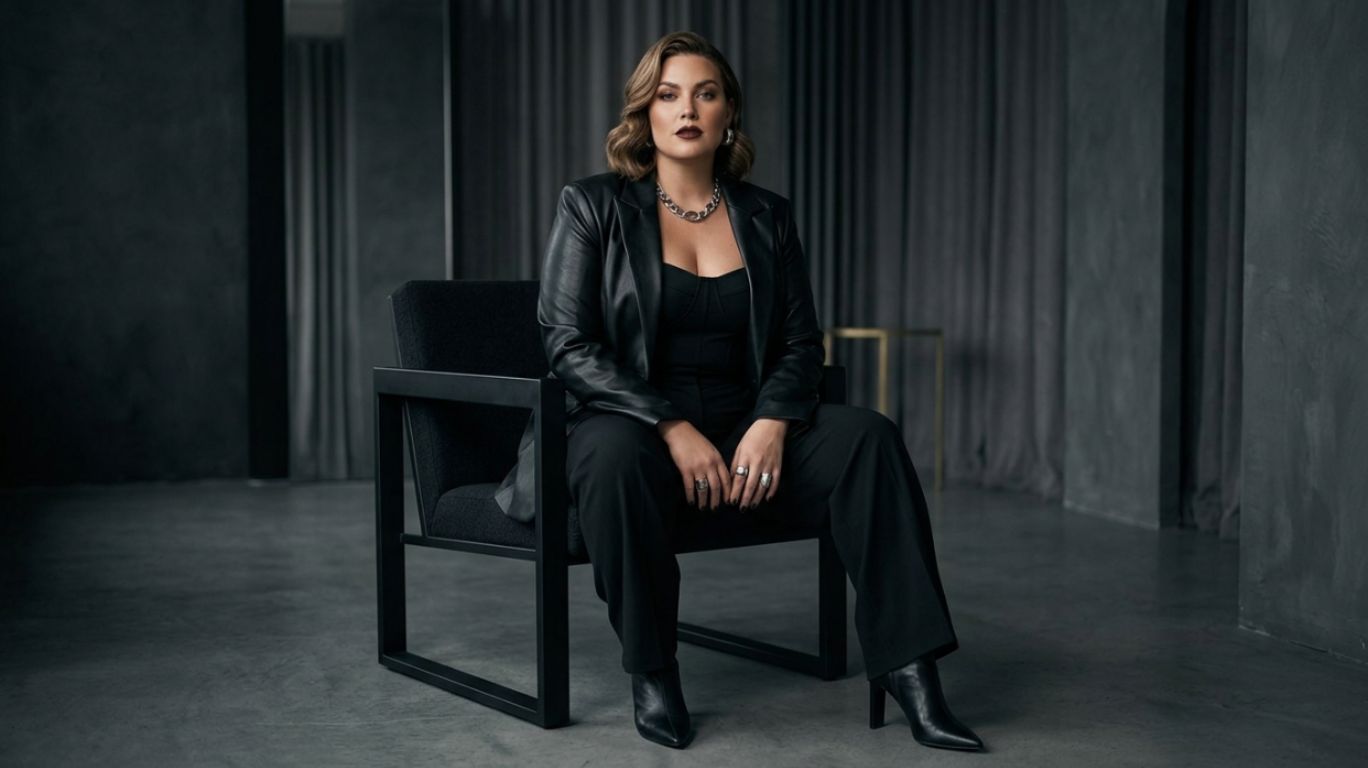
The growing interest in BBW femdom reflects a broader cultural shift toward inclusivity, body acceptance, and alternative expressions of power and attraction. Within adult-themed art, digital storytelling, and visual media, BBW femdom stands out as a genre that challenges traditional beauty standards while celebrating dominance, confidence, and individuality. By placing plus-size women at the center of commanding narratives, BBW femdom offers a compelling blend of empowerment and fantasy that resonates with modern audiences.
Rather than focusing solely on physical appearance, BBW femdom emphasizes presence, authority, and self-assurance. These narratives present confidence as desirable and strength as multidimensional, allowing the genre to serve as both imaginative expression and cultural commentary.
At its core, BBW femdom combines two defining elements: BBW (Big Beautiful Women) and femdom (female dominance). Together, they form a genre where plus-size female characters are depicted as confident leaders who guide the narrative, control the dynamic, and command attention through presence rather than conformity.
In BBW femdom storytelling, dominant women are not portrayed as exaggerated stereotypes. Instead, they are often nuanced, self-aware, and empowered figures whose authority feels intentional and earned. These portrayals stand in contrast to traditional depictions where dominance is frequently associated with narrow body types or male characters.
By placing curvy, full-bodied women in positions of control, BBW femdom expands how power and desirability are understood in creative media.
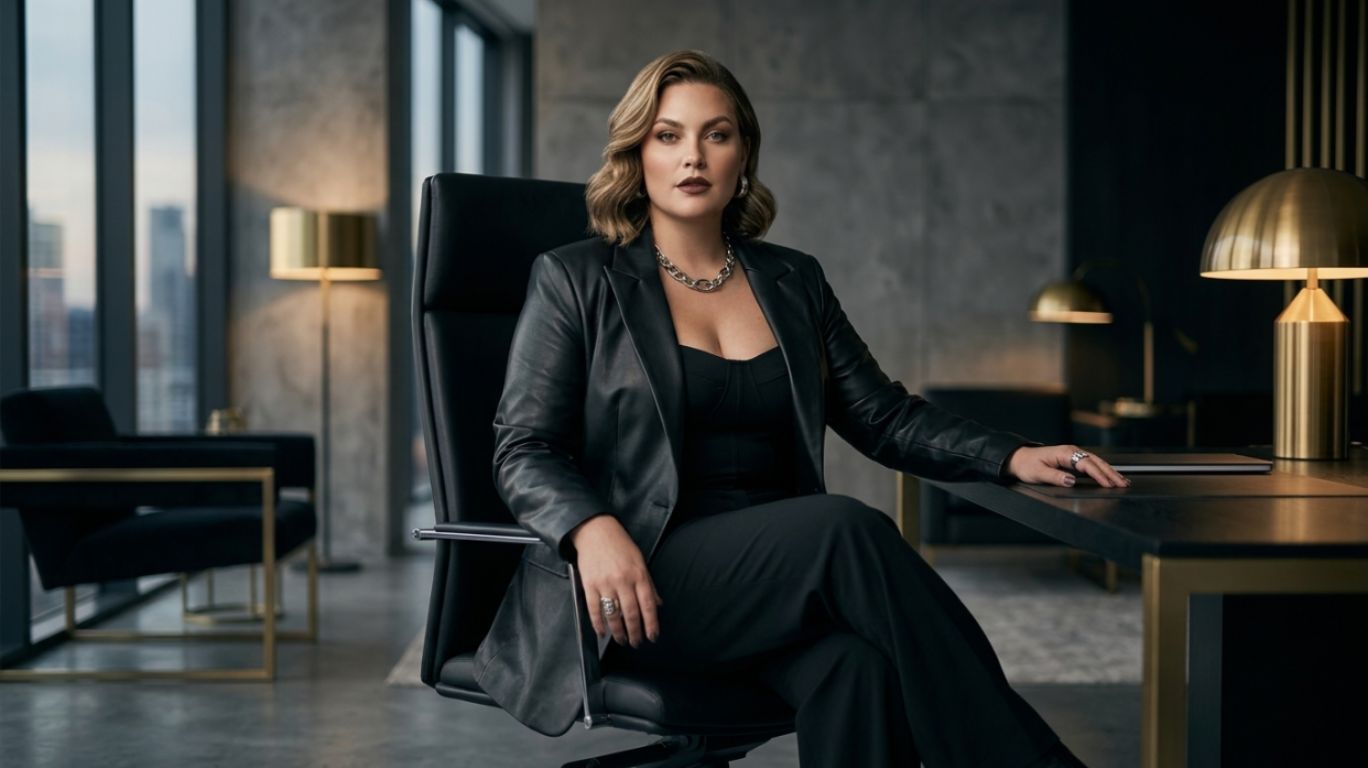
Confidence is central to BBW femdom narratives. The dominant characters are comfortable with their bodies, their authority, and their desires. This self-assurance becomes the foundation of their power, showing that dominance does not rely on intimidation alone but on clarity, composure, and presence.
This theme resonates with audiences who value emotional intelligence and self-possession as forms of strength.
One of the most defining aspects of BBW femdom is its emphasis on body positivity. Plus-size bodies are portrayed as attractive, capable, and commanding—countering decades of media that equated beauty and authority with thinness.
By normalizing fuller figures in dominant roles, BBW femdom contributes to a more inclusive visual and narrative landscape. This representation can be affirming for audiences who rarely see themselves reflected in positions of power.
While BBW femdom is built around dominance, the most compelling stories emphasize trust and balance. Power exchange is often portrayed as consensual and intentional (see more types of kinks), adding emotional depth to the fantasy.
Rather than presenting dominance as force, BBW femdom frequently frames it as leadership—where control is paired with responsibility and awareness.
Artistic presentation plays a significant role in shaping the appeal of BBW femdom. Visual styles vary widely, but several common traits appear across the genre:
Whether presented through comics, illustrations, or digital scenes, BBW femdom art often blends sensuality with storytelling, allowing characters to feel intentional rather than ornamental.
The appeal of BBW femdom lies in its ability to subvert expectations. For many viewers and readers, the genre offers something refreshing—stories where dominance is not tied to conventional beauty or physical stereotypes.
Some audiences are drawn to the aesthetic appreciation of confident plus-size figures, while others connect with the emotional and psychological aspects of power exchange. BBW femdom also attracts those interested in narratives that prioritize self-acceptance and leadership over conformity.
By reversing traditional gender and body norms, BBW femdom creates space for understanding that feels both imaginative and affirming.
As conversations around body diversity and representation continue to develop, BBW femdom reflects these changes within fantasy and adult storytelling. The genre aligns with broader movements that encourage acceptance of different body types, identities, and expressions of power.
Rather than existing on the margins, BBW femdom has become part of a larger dialogue about who gets to be seen as desirable, confident, and authoritative. These narratives reinforce the idea that strength is not defined by size but by self-assurance and intent.
This cultural relevance helps explain why BBW femdom remains a growing and developing genre.
To strengthen SEO performance, this article can internally link to related educational content, such as:
Internal links help search engines understand topical relevance while keeping readers engaged with related content.

BBW femdom is more than a niche within adult-themed storytelling—it is a genre that celebrates confidence, power, and body positivity through inclusive representation. By placing plus-size women in dominant roles, BBW femdom challenges outdated beauty norms and expands how authority and attraction are portrayed in fantasy and art.
Through bold visuals, thoughtful power dynamics, and empowering narratives, BBW femdom continues to resonate with audiences seeking diversity, confidence, and imaginative storytelling.
For those interested in broader discussions around fantasy, personality-driven interactions, and modern expressions of connection, platforms like NewGirlfriend offer additional perspectives worth exploring.
BBW femdom refers to a genre that features plus-size women portrayed in dominant, authoritative roles. It blends body positivity with themes of female leadership and confidence.
No. While physical representation is important, BBW femdom emphasizes confidence, control, and presence. Many narratives focus on emotional authority and power dynamics rather than looks alone.
BBW femdom challenges restrictive beauty standards by presenting plus-size women as confident leaders. This representation promotes self-acceptance and reframes dominance as inclusive.
Yes. BBW femdom exists within artistic and imaginative contexts. While it may reflect real-world themes like confidence and leadership, it is primarily a form of creative expression.