
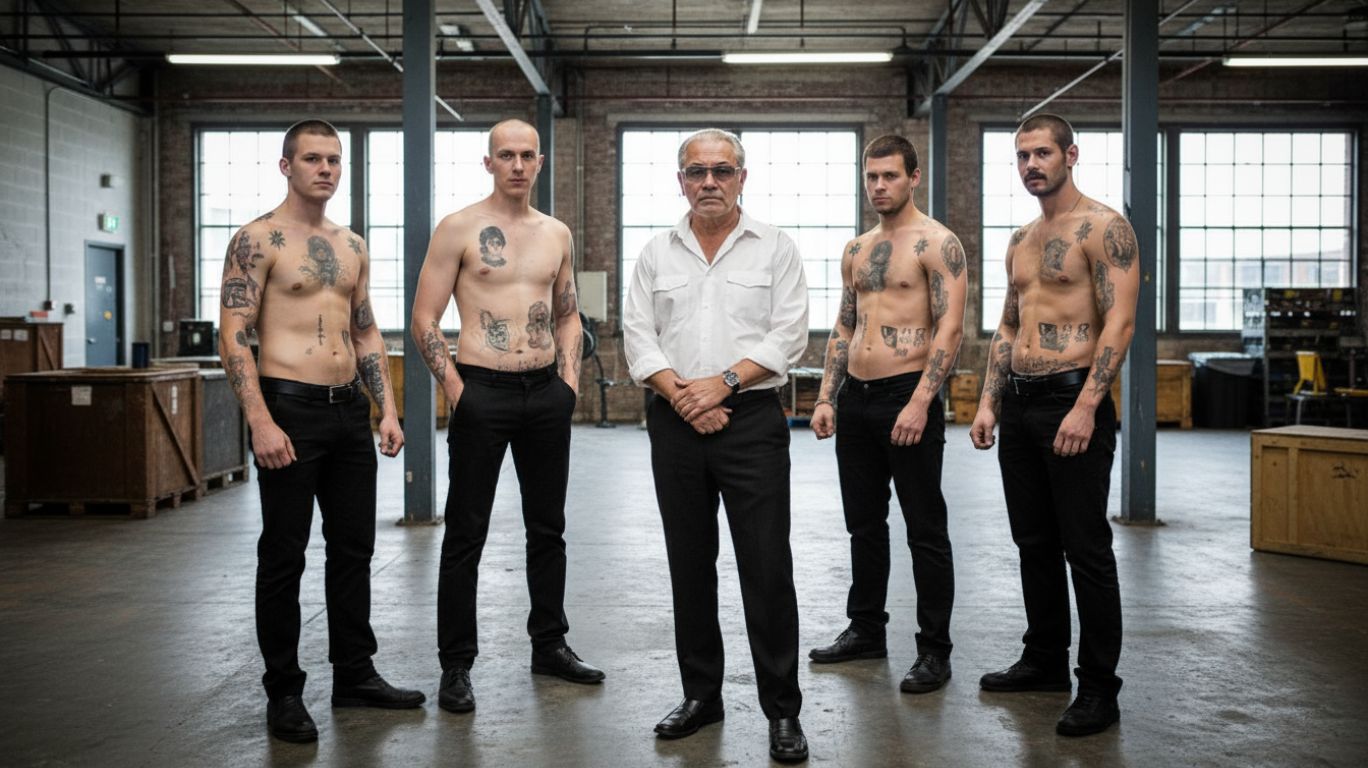
The word bratva often sparks instant curiosity. It carries a sense of danger, hidden power, loyalty, and dark mythology shaped by decades of books, games, films, and online roleplay communities. While the real-world Russian mafia is complex and criminal, the fictionalized version has become a popular character archetype, especially the calm, dangerous, and commanding leader often referred to as the pakhan.
This article breaks down the concept of the bratva, why these characters fascinate audiences, and how creators use them in fiction and roleplay.

The term bratva refers to Russian organized crime syndicates groups that emerged as powerful syndicates in the late 1980s following the Soviet Union’s collapse. However, modern fiction has reshaped the concept into something far more stylized and narrative-driven.
In creative spaces such as online storytelling, roleplay chats, fanfiction, and character-building communities, bratva characters are common. They are often written with a blend of:
These fictional portrayals allow creators to study darker themes while still maintaining boundaries within fantasy. They provide a balance of tension and emotional depth that attracts readers who enjoy morally complex characters.
|
Trait |
What it looks like on the page |
|
Emotional control |
Rarely raises his voice; commands through silence |
|
Fierce loyalty |
Protects his circle at any cost |
| Strategic Intelligence |
Always three moves ahead |
|
Moral ambiguity |
Does terrible things for defensible reasons |
| Controlled charisma |
Draws people in without trying |
The bratva archetype taps into several powerful storytelling elements:
This combination makes bratva characters ideal for stories that need tension, suspense, and complex character dynamics.
Your reference introduces Nikolai Kruzkrov, described as the pakhan, the top leader within a fictional bratva.
In narrative design, a pakhan character carries specific traits:
Writers portray this character type as quietly lethal, someone who never raises his voice but carries an authority that fills any room.
Readers gravitate to this profile because the character delivers power without chaos, dominance without mindless violence.
The combination creates an instantly engaging character for darker romance, crime-action narratives, and roleplay scenarios.
Roleplay communities frequently use bratva themes in original character profiles, chat scenarios, and storytelling. Creators use these settings to experience intense narratives at a safe distance from real-world consequences.
The reference description highlights key traits often associated with bratva characters in RP:
These traits help shape immersive one-on-one or group storytelling environments where users can learn dramatic scenarios, confrontations, alliances, and romantic tension.
Online roleplay thrives on:
The bratva theme naturally lends itself to these storytelling tools. It gives creators an immediate sense of the world, its structure, hierarchy, and tone.
If you want to create your own bratva-inspired characters or stories, here are helpful elements to include.
Common fictional positions include:
Each role opens different types of conflicts and character dynamics.
Popular traits for fictional bratva characters include:
Readers connect more deeply with characters who struggle internally. Consider conflicts like:
This makes the character feel human beneath their hardened exterior.
Because bratva stories often study intense or dangerous scenarios, it’s essential to set clear boundaries, especially in online roleplay or creative collaborations. The reference itself acknowledges this by clarifying its content limits.
Boundaries keep the story enjoyable, comfortable, and safe for all creators involved.

While fictional bratva characters are compelling, it’s important to distinguish them from real-world counterparts. Actual organized crime (UNODC) involves violence, exploitation, and harm, none of which should be romanticized.
Fiction operates on different rules. Creators take the bratva’s structure and atmosphere and rebuild it as a storytelling tool, keeping the tension, cutting the harm.
Common differences between real and fictional portrayals include:
The fictionalization process turns a harsh criminal concept into a stylized narrative environment suitable for entertainment or character experiences.
Bratva characters remain popular because they sit at the intersection of power, vulnerability, danger, and complexity. They fit seamlessly into genres such as:
Each new portrayal reshapes the myth, making it endlessly adaptable.
Characters like the fictional pakhan you referenced demonstrate how creators use the bratva as a framework to experience dominance, tension, loyalty, and emotional conflict. The emotional combination is what keeps audiences invested.
The bratva has become one of fiction’s most durable archetypes, especially inside online creative communities, because it packages power, loyalty, and emotional conflict into a single framework writers can adapt endlessly.
If you’re learning bratva themes in your own writing or character building, focus on strong motivations, clear boundaries, and rich inner conflicts. With those elements, you can create compelling stories that resonate with readers while staying firmly in the realm of fiction. If you want to develop your bratva character further, Girlfriend.AI offers interactive roleplay partners built for exactly this type of narrative, dark romance, morally complex dynamics, and dominant character archetypes. It lets you test dialogue, study character reactions, and refine a pakhan’s voice in real conversation before committing it to a story.