
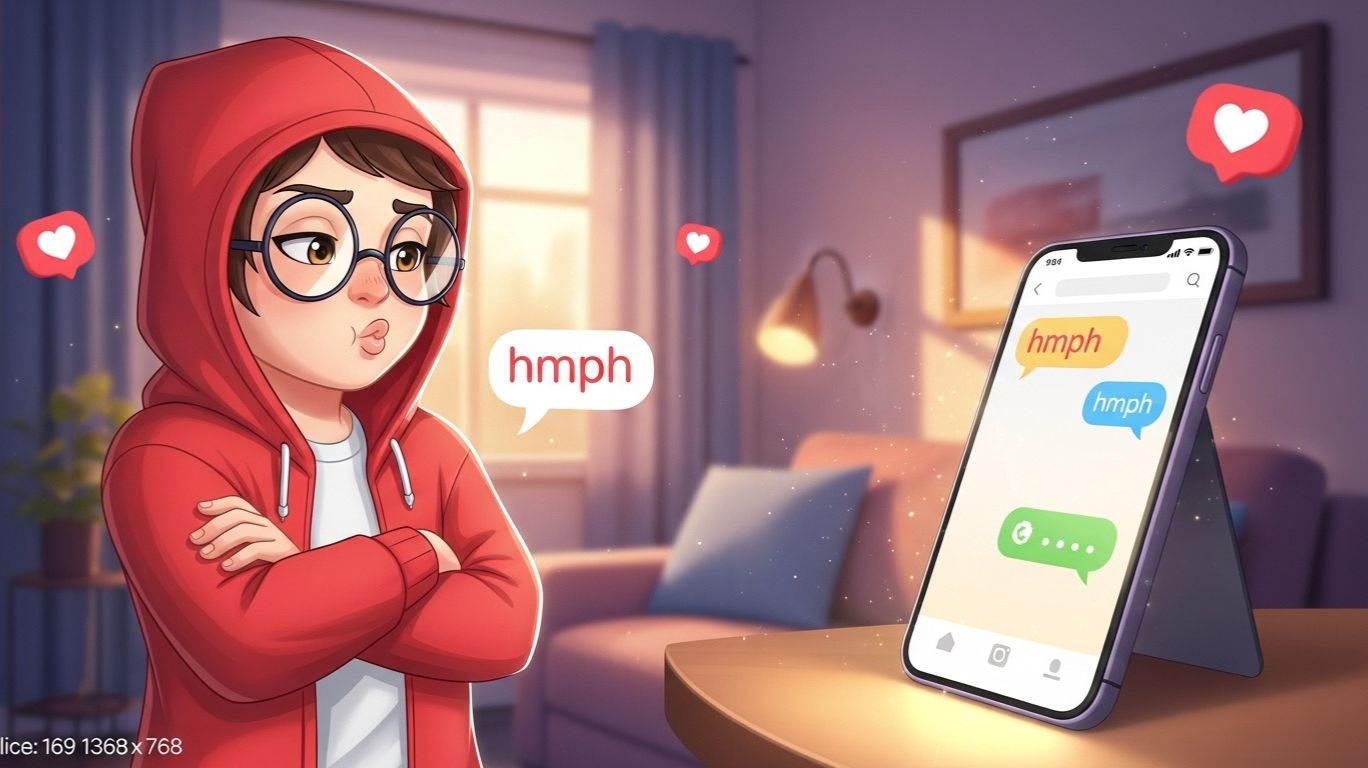
If you spend any time in modern chats, roleplay spaces, or online communities, you’ve probably seen one little word pop up over and over again: hmph. It’s short, cute, dramatic, and surprisingly expressive for a sound that’s barely more than a puff of air. But despite how simple it looks, hmph carries a lot of meaning, emotion, and personality depending on who’s using it and in what context.
In this article, we’ll study what hmph actually means, why people love using it, how it shows up in online conversations, and what makes it such a fun tool in playful or flirtatious chat dynamics.
Linguistics classifies “hmph” as an onomatopoeic expression, which represents a natural human sound rather than a formal dictionary-defined word. People produce sounds like “hmph” in real life through non-verbal vocal reactions that express emotion without spoken language. When translated into text, it becomes a flexible expression people use for different emotions
Standard interpretations of hmph include:
The beauty of hmph is that it doesn’t pin itself to a single emotional meaning. Instead, it works like a mood indicator, helping readers sense tone even without facial expressions or body language. That’s one reason it became so popular in online spaces: it fills in emotional gaps that text alone sometimes struggles to express.
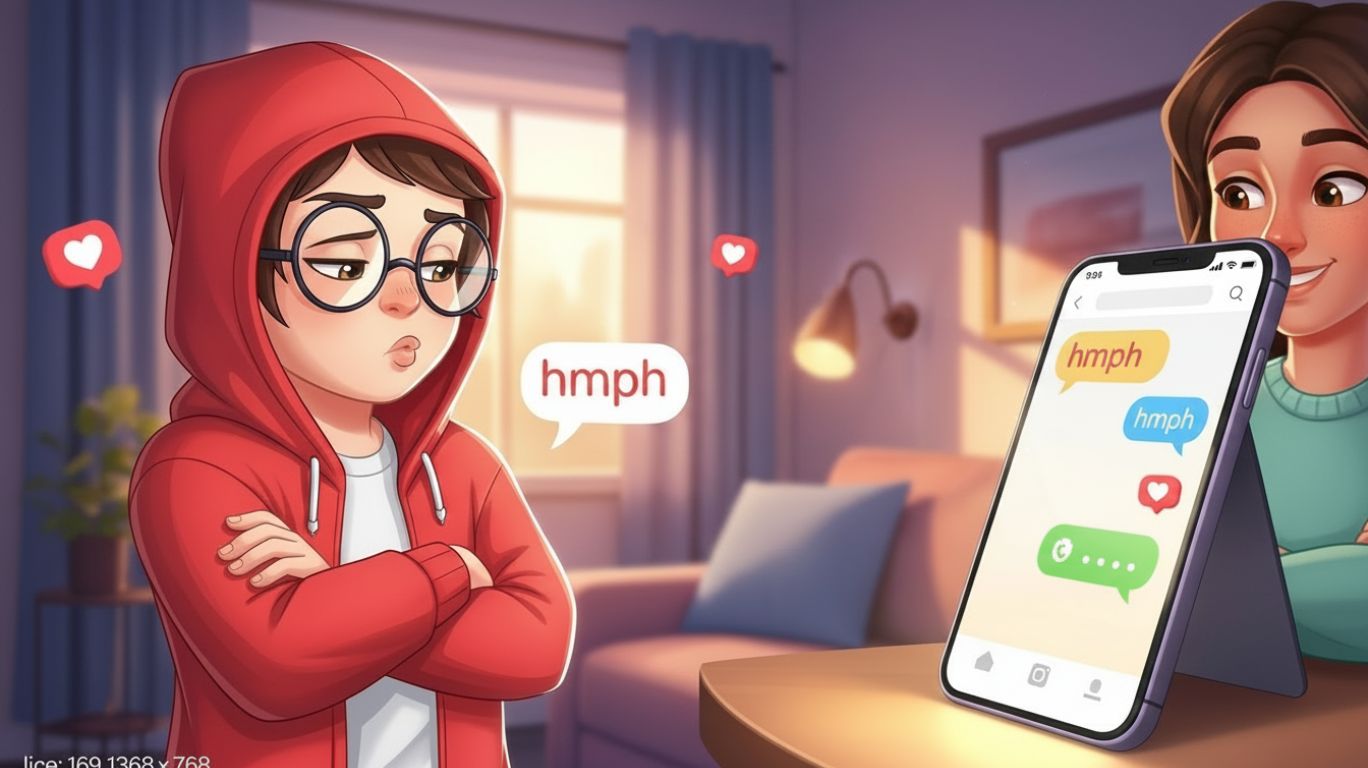
Online conversation depends heavily on tone. Without vocal inflection or physical cues, misunderstandings can happen easily. That’s where expressions like hmph step in. They add flavor, emotion, and subtlety without requiring long explanations.
Here’s why hmph has become such a staple in chat culture.
Some emotional reactions are too small or too quick for a full sentence. Hmph can carry a mood in just a few letters. It’s instant, recognizable, and extremely easy to type.
In real life, people make tiny sounds all the time to show what they feel. Translating those sounds into text creates a sense of authenticity. Hmph mimics that natural human response, making messages feel more alive and conversational.
In roleplay chats, flirty conversations, or teasing exchanges, hmph acts like a little nudge. It shows personality, reactions, and attitude, deepening the dynamic.
Even when expressing annoyance, hmph is rarely taken as serious anger. It has a soft, slightly humorous tone that keeps conversations light and fun.
The meaning of hmph can shift dramatically depending on the situation, the characters involved, and the emotional tone of the chat. Below are some common ways people use it.
This version shows mild frustration without real anger. It’s often flirty or teasing.
Example: Hmph, you did that on purpose.
Sometimes, hmph shows embarrassment or a character trying to hide excitement.
Example: Hmph… I’m not blushing.
Perfect for situations where someone pretends to be mad but isn’t actually upset.
Example: Hmph, you think you’re funny, don’t you?
Used when a character digs their heels in or refuses to admit something.
Example: Hmph, I’m still not changing my mind.
A gentle version that conveys disappointment or exasperation.
Example: Hmph… you’re impossible sometimes.
Understanding the emotional range behind hmph helps you read online conversations more accurately and engage with others more dynamically.
If you browse character chats, roleplay scenarios, or creative online communities, you’ll notice hmph popping up constantly. It doesn’t matter whether the character is cute, sassy, annoyed, shy, or aloof — hmph fits nearly all personality types.
Here’s why it works so well in character settings:
Characters who use hmph regularly come across as expressive and animated. It adds a soft layer of charm or sass, depending on the situation.
Many animated characters across media use similar expressions in their dialogue or reactions. Translating that into chat makes a character feel more authentic.
In storytelling or roleplay, hmph serves as a quick emotional beat. It breaks up dialogue and adds rhythm to the interaction, similar to how animators use little sounds or gestures between lines.
Chatting with characters who react with expressive sounds, like hmph, makes the conversation feel more lively and believable. It mirrors the energy of scenes you’d see in animated shows or comics.
If you want to use hmph in your conversations but aren’t sure how to incorporate it naturally, here are some easy tips.
Make sure the tone fits the situation. If the chat is playful, use a light hmph. If the conversation is more serious, adjust the tone accordingly.
Like any expressive tool, hmph works best when used sparingly. Too many in a row can make the conversation feel forced.
Even in text, adding a little description can enhance the meaning.
Examples:
Characters who are shy, tsundere, stubborn, or easily flustered tend to use hmph more often. Confident or cold characters might use it more sparingly or with a sharper tone.
Different spellings or lengths can change meaning:
Small tweaks can show shifts in emotion without adding extra dialogue.
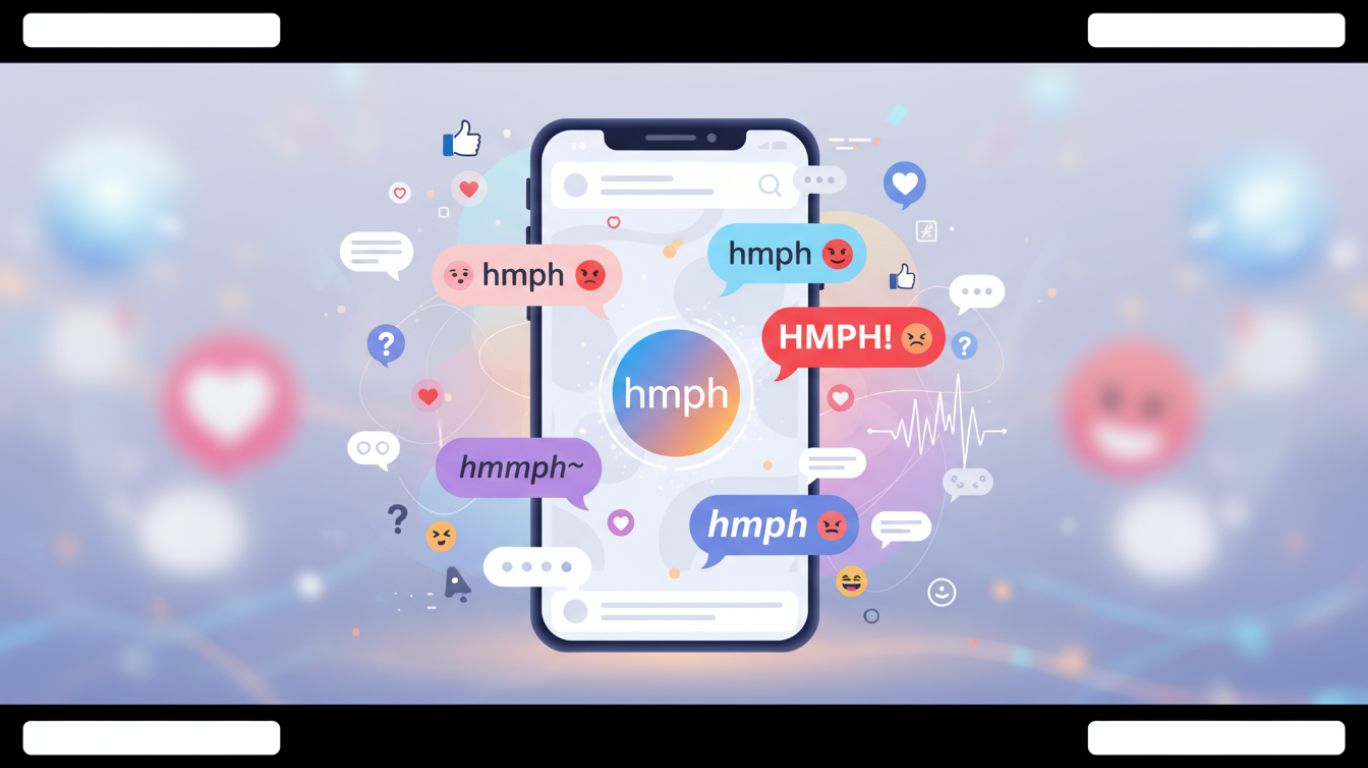
Over time, hmph has grown beyond just a sound effect. It has become a tiny but recognizable symbol of attitude, mood, and expressive communication online.
People use it because:
It has developed into a universal emotional shorthand. Anyone who sees hmph instantly understands there’s a hint of emotion behind the message, even if the exact meaning depends on context.
That’s part of what makes it so effective. It’s open-ended, expressive, and adaptable — the perfect digital mood sound.
Hmph may be a tiny expression, but its impact in online conversations is surprisingly significant. It carries emotion, adds personality, and helps people connect more naturally in digital spaces. Whether someone is being playful, teasing, flustered, or mock-annoyed, hmph delivers that emotion instantly and clearly.
As chat culture develops, expressions like hmph remain essential tools for making digital conversations feel more human, more expressive, and more fun. Readers can learn more examples of expressive online chat language through platforms that focus on conversational AI and digital communication tools.