

Sex robots—or “sexbots”—have become one of the most talked-about topics in both technology and culture. They’re often portrayed as futuristic machines out of science fiction, capable of fulfilling every intimate fantasy, much like a cup with various flavors. But what’s the truth behind the hype? Do sex robots actually exist, and if so, what role might they play in society? This introduction will help set the stage for a deeper understanding.
In this article, we’ll break down what sexbots are, where the technology currently stands, the reasons people are drawn to them, and the controversies they raise. Whether you’re simply curious or experiencing the broader world of intimacy tech, this guide will give you a clear and balanced look at sexbots today, providing valuable content for readers.
At their core, sexbots are designed as human-like machines that combine the body of a sex doll with artificial intelligence. Unlike traditional dolls, sexbots can move parts of their body, including the ability in some models to move their necks for enhanced realism, respond to commands, and even hold simple conversations, acting like a member of social interaction.
One of the most well-known prototypes is Harmony, developed by Abyss Creations. Harmony features facial expressions, head movements, and a basic AI personality that can learn about its owner through an app. However, the technology is still limited—Harmony, for instance, can’t stand alone and is far from the walking, talking robots you see in movies.
In reality, sexbots remain experimental and niche. They cost upwards of $10,000 and require significant technical engineering. Far from replacing human intimacy, they currently serve more as novelty items or collectibles for enthusiasts.

The journey of sex robots from fantasy to reality has been decades in the making. While early sex dolls—simple, inflatable companions—first appeared in the 1990s, it wasn’t until the 2010s that the idea of combining these dolls with artificial intelligence truly took off. As technology advanced, manufacturers began to create sex robots with increasingly sophisticated features: robotic movements, expressive faces, and the ability to hold basic conversations.
Today’s sex robots are a far cry from their early predecessors. Thanks to powerful AI algorithms, modern models can learn about their owners, adapt their responses, and even simulate emotions. These advancements have been driven by a growing market and fierce competition among manufacturers eager to deliver the most realistic and engaging experience possible. As research and development continue, the future of sex robots looks bright, with the potential to create even more lifelike, interactive, and customizable sex dolls that blur the line between fantasy and reality.
The world of intimacy technology is more diverse than ever, offering a wide range of options for those looking to study their desires. Traditional sex dolls remain popular, providing a physical companion for those seeking comfort or pleasure. However, the rise of sex robots has introduced a new level of interactivity, with AI-powered dolls capable of conversation, movement, and even learning user preferences.
Beyond physical dolls and robots, virtual reality (VR) sex experiences are gaining traction, allowing users to immerse themselves in digital fantasies and interact with virtual companions in ways that feel incredibly real. Teledildonic toys—high-tech devices that can be controlled remotely—enable partners to connect and play from anywhere in the world. At the same time, sex chatbots offer a purely conversational form of companionship powered by AI.
With so many options on the market, users can choose the intimacy device that best fits their needs, and manufacturers are constantly innovating to create new features and experiences. Whether you’re interested in a lifelike sex robot, a classic sex doll, or a cutting-edge VR fantasy, the possibilities for creating and learning intimacy are expanding every day.
The motivations behind owning a sexbot go beyond sex itself. Many people are drawn to the companionship aspect—a robot that can provide a sense of presence, love, intimacy, attention, and even companionship like ‘friends’.
For some inventors, the inspiration to create sexbots came from a desire to address societal or emotional needs, with specific technological innovations motivated by events that caused widespread grief or trauma.
Owners often:
This suggests that sexbots fulfill emotional and social needs as much as physical ones. For some, the robot provides comfort and connection in ways that go beyond a sexual outlet.
Sex dolls and sex robots have become fixtures in popular culture, often serving as symbols of our fascination with technology and human connection. Films like “Companion” place a sex robot at the heart of the story, learning human-robot relationships’ emotional and ethical complexities. In “Ex Machina,” the line between artificial intelligence and humanity is blurred, raising provocative questions about the act of creating lifelike companions.
Television has also adopted the theme, with shows like “Westworld” and “Black Mirror” examining the consequences of interacting with advanced AI-powered sex dolls and robots, much like a protective ‘sister’ might. These stories don’t just entertain—they spark conversations about the future of intimacy, the role of technology in our lives, and the potential for robots to become faithful companions.
As sex dolls and robots continue to develop, their presence in movies, TV, and music reflects our ongoing curiosity about what it means to be human—and how technology might change the way we love, connect, and play.
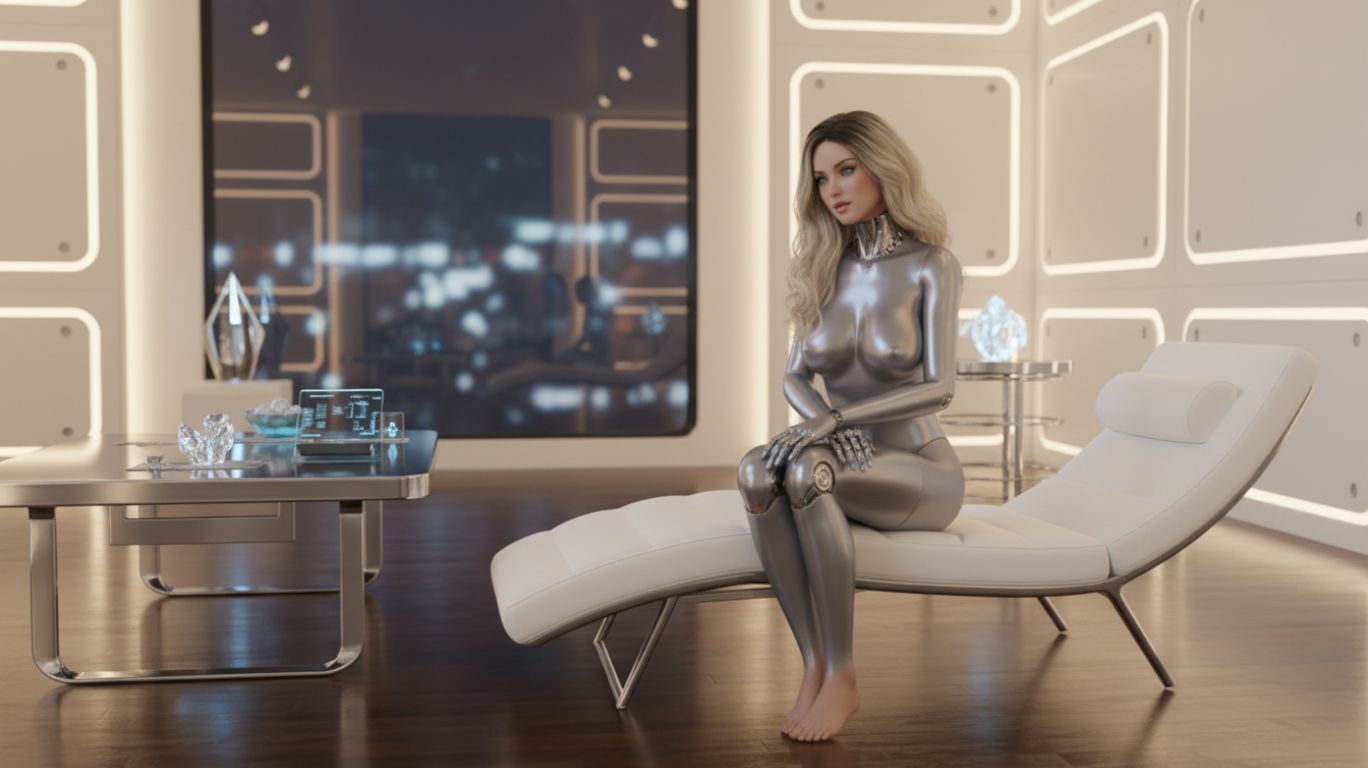
Sexbots capture the imagination because they sit at the intersection of science fiction and human desire. While they exist in prototype form, they’re far from the fully autonomous machines often portrayed in media. More importantly, the debate around sexbots sparks valuable conversations about what people want from intimacy, companionship, and technology.
As AI and smart tech continue to develop, we may not see an army of lifelike sexbots anytime soon—but we are already witnessing new ways technology can shape how we connect, both emotionally and physically.
If you’re curious about studying AI companionship and intimacy in a more accessible way, check out girlfriend.ai. You can experience interactive, personalized AI conversations without needing a $10,000 robot in this space. Newgirlfriend.ai offers many AI companions to choose from as well as free and premium versions of the site.
Yes, but they are still in early development. Companies like Abyss Creations have released prototypes such as Harmony, which combine AI with the body of a sex doll. However, they are far from the advanced, lifelike machines often seen in science fiction movies.
Most current sexbots are extremely expensive, often costing over $10,000. The high price is due to their engineering complexity and limited production. This makes them accessible only to a small niche of buyers.
Currently, the majority of sexbots are designed for heterosexual male buyers, reflecting narrow beauty standards based on geographical ‘location’. This design trend often mirrors societal perceptions of what a man desires in a companion, emphasizing certain ideals of femininity and attractiveness. Male sexbots and more diverse designs do exist, but they are less common and not as developed.
Not necessarily. Many owners use sexbots for companionship, role play, or fantasy fulfillment, while still maintaining healthy relationships in their everyday lives. For some, they serve as an additional outlet rather than a replacement for human intimacy.
Physically, sexbots are safe, but digital security is a concern. Like other connected sex tech, they may collect personal data, which can be vulnerable to hacking. Users should research the company to enhance their understanding of the device’s privacy policies, and use caution when sharing sensitive information.