

The internet has always been a strange mix of creativity, humor, controversy, and rule 34. But with the rise of artificial intelligence, one long-standing internet “rule” has taken on an unsettling new reality — Rule 34, which says: “If it exists, there’s porn of it.”
Recently, this rule made headlines when AI-generated images sexualized Luce, the Vatican’s new anime-style mascot meant to symbolize “hope and fraternity.” Within hours of her unveiling, websites specializing in AI imagery and AI-generated posts had transformed the innocent character into explicit depictions. — showing just how far and fast the boundaries of digital ethics are being pushed.
This shocking example sheds light on a bigger issue: the increasing sexualization of both real and fictional people through AI-generated deepfakes. It’s not just celebrities anymore — anyone, even a cartoon character, can become a target.
Rule 34 started as a meme in the early 2000s, part of a list of humorous “internet laws.” It wasn’t meant to be taken seriously — just a joke about how the internet has adult content for everything imaginable.
But artificial intelligence has changed the game. What was once a harmless meme has become a disturbing reality, where advanced AI tools can generate lifelike, explicit images or videos from almost nothing. With just one clear photo, AI can create a fake pornographic video in less than 30 minutes.
These tools are more accessible than ever — growing from just five available apps to more than 200 in under two years. That means anyone, from a high school student to a public figure, can be “Rule 34-ed” without ever knowing it.
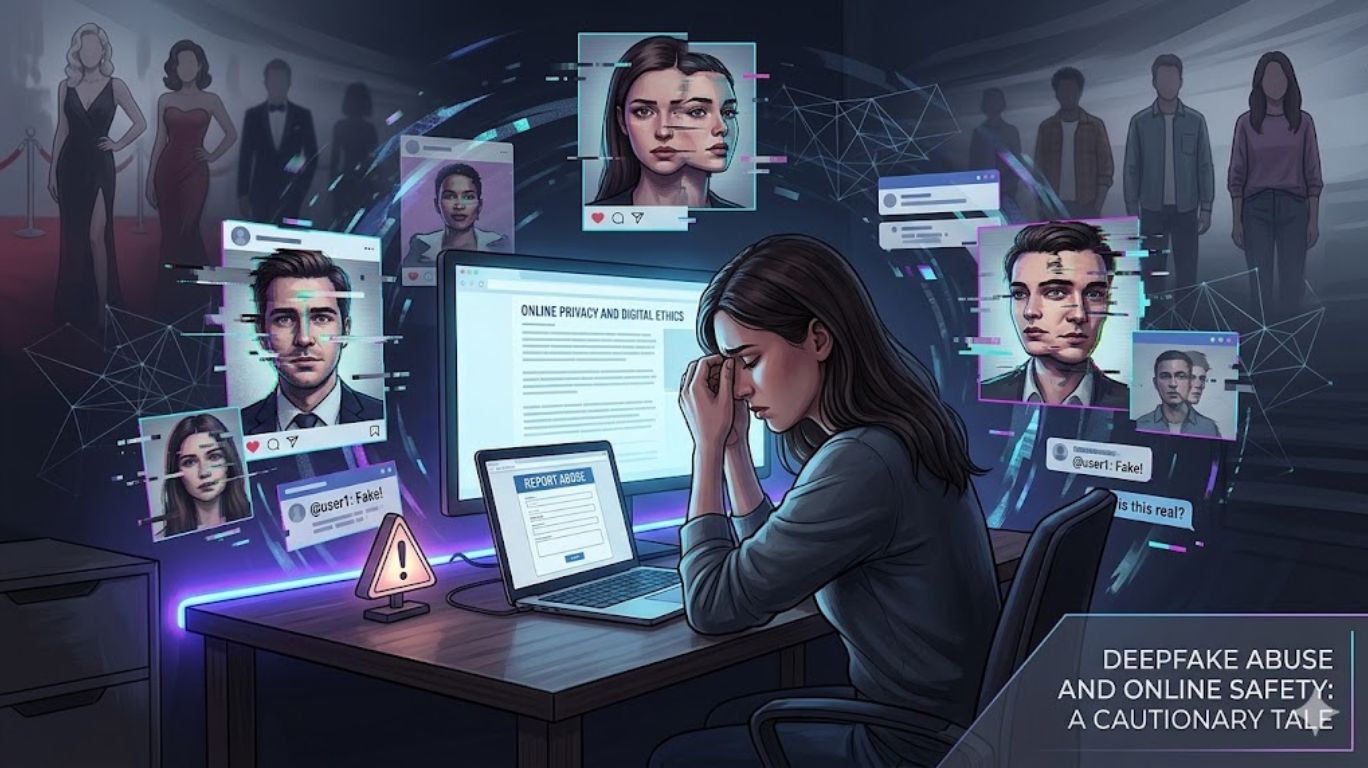
At first, AI-generated sexual content targeted celebrities — actors, singers, and politicians. But as technology spread, ordinary people became victims too.
There are now countless reports of women studying deepfake versions of themselves shared online — sometimes by classmates or coworkers, using social media photos as source material. According to the United Nations, women make up 99% of victims of AI-generated non-consensual imagery.
The Vatican mascot case is especially alarming because it shows that even fictional characters can’t escape digital sexualization. The moment “Luce” was released as a cheerful, symbolic figure of light, AI tools stripped away her innocence. They transformed her into something entirely different — without any approval from her creators.
Experts argue this isn’t just inappropriate or unethical; it’s part of a larger problem. As one law professor put it, “Women are the canaries in the mine when it comes to AI abuse.” If digital violation becomes normalized, it threatens not only privacy but also the way society treats people — online and offline, especially in the context of explicit images.
Creating AI-generated sexual content without consent raises serious ethical and legal issues.
Even if the data and images are “fake,” they can cause real harm — damaging reputations, spreading humiliation, and fostering misogyny.
Ricard Martínez, a privacy expert at the University of Valencia, explains that no image should ever be sexualized without consent, whether it’s a human or a symbolic character. This misuse isn’t just about intellectual property; it’s about dignity, identity, and respect.
There’s also a broader societal impact. When female politicians or public figures are targeted, these fake sexual images aren’t only meant to embarrass — they’re meant to silence. By discrediting and demeaning women, attackers erode trust in public institutions and discourage female participation in politics, making it essential to filter AI-generated posts.
It’s a vicious cycle that makes online spaces more toxic and democracy itself more fragile.
The “pornification” of online content isn’t just a niche internet issue. It reflects how technology can amplify harmful human behavior if left unchecked.
AI tools were designed to inspire creativity — to help artists, designers, and storytellers imagine new worlds. But without ethical boundaries, that same creativity becomes a weapon.
According to digital rights experts, preventing this kind of abuse requires a combination of:
Ultimately, the issue isn’t just about AI or Rule 34 — it’s about consent, respect, and responsibility in the digital age, and how we must continue addressing these challenges.

As AI becomes more integrated into our daily lives, society must learn to balance innovation with integrity. Technology should empower creativity, not exploit it, especially when handling sensitive data.
While the internet has always been full of strange and controversial trends, the rise of Rule 34 AI shows that humor can quickly turn harmful when technology makes anything possible.
Protecting people’s dignity — real or fictional — requires more than outrage. It demands clear rules, proactive platforms, and an informed public willing to stand up for what’s right, emphasizing the need for membership in advocacy groups.
If you’re interested in learning how AI can be used for positive, creative, and emotionally intelligent interactions instead of harm, please continue and visit girlfriend.ai — where AI is built to connect, not exploit.
Rule 34 AI refers to the modern version of the old internet saying, “If it exists, there’s porn of it,” but powered by artificial intelligence. With new AI image generators and video tools, people can now create explicit content based on real individuals or fictional characters — often without consent. What began as a joke has become a serious ethical and privacy concern.
In many countries, creating or sharing explicit AI-generated content of real people without consent can be considered illegal under privacy, defamation, or harassment laws. However, regulations vary widely, and many jurisdictions are still catching up. The growing consensus among experts is that non-consensual AI sexualization should be treated as a form of digital abuse.
Even though the images or videos are fake, their impact on real people is devastating. Victims often face embarrassment, reputational damage, mental distress, and even blackmail. In political or professional contexts, these fakes can be used to discredit individuals or silence women, making them tools of manipulation and control.