

In today’s digital age, electronic and online communication is fast, unfiltered, and often global. However, not everything on the internet is suitable for every setting. That’s where the term NSFW comes in. Short for “Not Safe for Work,” NSFW definition is an abbreviation that warns people that certain content may be inappropriate to view in public or professional environments.
Whether it’s an explicit image, offensive language, or controversial topics, NSFW content and such content can carry risks if handled carelessly. Understanding what it means, where it appears, and how to deal with inappropriate material responsibly is essential for participating in online and offline spaces.
At its core, NSFW is a digital shorthand designed to protect viewers from opening content that could cause embarrassment, offense, or trouble—especially in professional settings. You might see “NSFW” in email subject lines, chat groups, or social media captions as a courtesy heads-up before clicking.
While the phrase originally centered around the workplace, its meaning has broadened, especially in public settings. Today, it signals that the content may not be appropriate in classrooms, public places, or family environments either. In short, NSFW is about situational awareness and respect for the people around you.

NSFW content spans a wide range of material depending on culture, workplace rules, and personal sensitivities. Some of the most common categories include:
Understanding these categories helps individuals identify what may not be suitable for sharing in a professional or public environment.
The internet is full of spaces where NSFW content appears, often without warning. Some familiar sources include:
Because exposure is sometimes accidental, knowing how to recognize and respond when encountering NSFW media is important.
Fortunately, many platforms try to label sensitive material with disclaimers or “NSFW” tags. These warnings let users choose whether to proceed. Beyond platform labels, you can also spot NSFW clues in links :
The rise of AI image generators has added a new layer to the conversation. These tools can create hyper-realistic visuals from text prompts and raise ethical concerns.
While most platforms block violent or pornographic outputs, loopholes exist. Skilled users may bypass filters to generate NSFW images, including harmful material or non-consensual material. This misuse highlights the need for stronger safeguards.
In general, the usage of creating NSFW content with AI image generators is discouraged due to:
Responsible creators should respect these boundaries, ensuring AI remains a force for creativity—not harm.
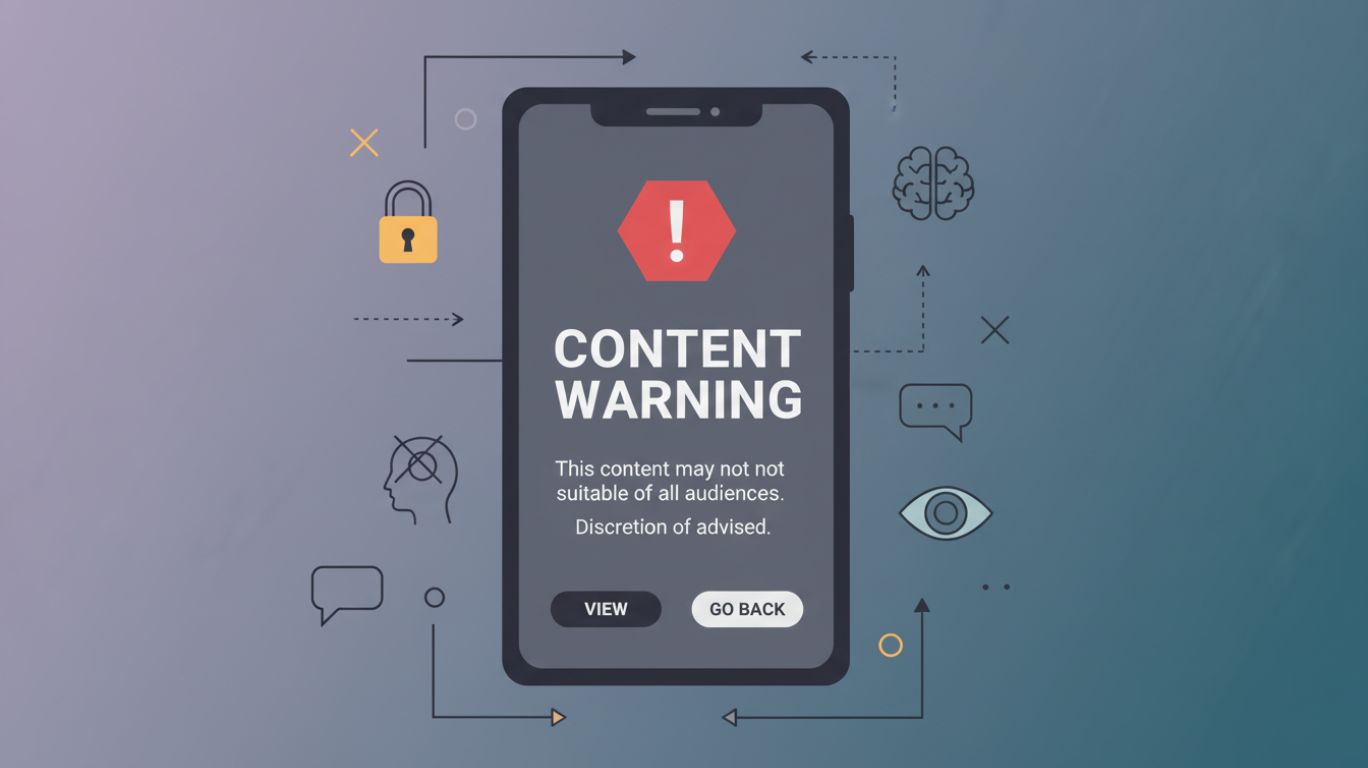
NSFW content plays a significant role in digital culture, acting as a warning system for material that could be inappropriate in specific settings. By understanding its definition, recognizing the types of pornography content it covers, and being aware of the risks, individuals can avoid emotional distress and make better choices about what they consume and share.
Looking for a safe and judgment-free space in online communities to study digital intimacy and conversations? Check out girlfriend.ai, where you can connect with AI companions designed for meaningful and personalized interactions. Newgirlfriend.ai offers many AI girls to choose from as well as free and paid versions of the site.
NSFW stands for “Not Safe for Work.” It’s an online shorthand used to flag content that may be inappropriate, including pornography, for public, professional, or family settings. The term is most often applied to adult material, explicit language, or sensitive topics that could cause discomfort or embarrassment.
No, NSFW content is not limited to sexual material. While adult imagery is one of the most common forms, NSFW can also refer to nudity, graphic violence, offensive speech, or polarizing discussions. Essentially, anything that could cause offense or be inappropriate in professional or public spaces may be labeled NSFW.
Not all NSFW content is illegal. Sharing explicit material among consenting adults is generally allowed, but distributing it to minors or creating non-consensual material is against the law. Laws also differ depending on the country, so it’s important to know local regulations.
Labeling content as NSFW is a courtesy that helps others limit exposure, avoid embarrassment, maintain professionalism, and make informed decisions before opening something. Without these warnings, people risk exposing inappropriate material in classrooms, offices, or other sensitive environments.
You can use content filters, safe search settings, and parental controls to reduce accidental exposure on various websites. Additionally, paying attention to warnings, captions, and platform labels will help you identify potentially sensitive content before clicking.