

Lucifer is one of Western culture’s most enduring figures, a radiant angel cast out of heaven, whose story spans biblical texts, John Milton’s Paradise Lost, Renaissance painting, and modern television. One of the most striking depictions shows him unclothed and tense, leaning against a rock, symbolizing banishment, vulnerability, and the loss of angelic status.
This article covers the origins, symbolism, and cultural interpretations of the fallen angel myth, clearly and directly.
Although often treated as a single, clear-cut narrative, the story of Lucifer’s fall is a tapestry woven from multiple sources. These include religious texts, later interpretations, and the creative liberty of writers and artists.
Many ideas commonly associated with Lucifer, his rebellion, his dramatic fall, and his transformation into a dark or demonic figure, are expanded interpretations rather than direct scriptural quotes. Over time, these interpretations built a complete narrative that shaped how the world perceives the fallen angel today.
The reference image that shows Lucifer’s nudity emphasizes several symbolic meanings:
This visual storytelling allows artists to capture a moment of tension: the newly fallen angel, caught between who he was and who he will become.

Most people associate Lucifer’s fall with a dramatic celestial rebellion. The name “Lucifer” appears in the Latin Vulgate translation of Isaiah 14:12 as a metaphor for a fallen morning star, but the Hebrew text does not use “Lucifer” as a proper name. Encyclopedic summaries note that this phrasing contributed to the later association of Lucifer with Satan. The fuller story is a result of centuries of theological interpretation, poetry, and artistic elaboration.
Here are a few key influences on the myth:
It was through these combined sources that Lucifer transformed from a symbolic figure into a character with motives, emotions, and a tragic arc.
His nudity in artistic depictions often symbolizes:
By removing his angelic garments, artists visually communicate the depth of his downfall.
The image of the fallen angel leaning against a rock communicates several powerful layers of meaning. Artists use posture, expression, and setting to convey emotional and spiritual themes.
Common symbolic elements include:
I think the nudity described in your reference deepens the impact. Without angelic robes, Lucifer appears:
This interpretation helps explain why so many artists choose to depict Lucifer in a vulnerable state rather than as a purely menacing figure. The fallen angel is, at his core, a tragic character, defined not only by rebellion but also by consequence.
Today, Lucifer is no longer just a figure from theology or classical art. He appears in television series, books, anime, video games, and music, reinterpreted through countless creative lenses.
Modern portrayals often examine themes such as:
These interpretations highlight an essential point: the story of the fallen angel continues to develop. Each generation adds new layers, transforming Lucifer into a multifaceted symbol.
Some depictions present him as a charismatic antihero, while others stick closer to traditional imagery. Yet across all versions, the emotional core remains similar, the story of a being who once held power and beauty, only to fall from grace.
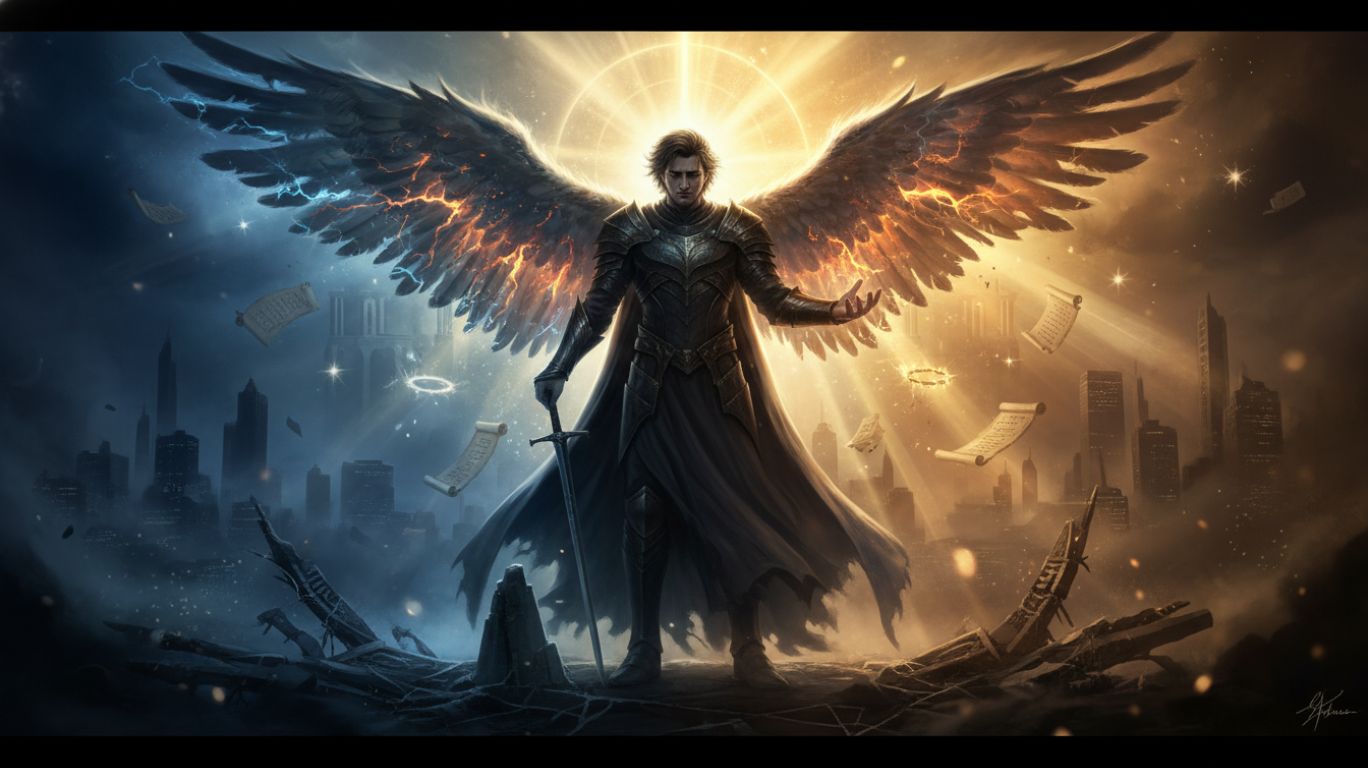
The story of Lucifer resonates because it taps into universal human themes:
The image of a once-great angel, stripped of glory and left isolated, mirrors many personal and societal narratives of downfall and rebuilding. It invites reflection on how power, ego, and morality shape our lives.
Even the simple artistic detail from your reference [the nudity] reveals deep layers of meaning. It’s not just about physical exposure, but also about emotional and spiritual transparency. It is a reminder that losing status or comfort can uncover a person’s [or angel’s] true self.
The myth of Lucifer endures because it is more than a religious tale. It is a story about identity, consequence, and transformation. From ancient interpretations to modern pop culture, the fallen angel continues to inspire art, discussion, and reflection.
Whether he is portrayed as tragic, rebellious, seductive, or misunderstood, the emotional weight of his fall remains central to the narrative. The image of Lucifer, newly stripped of angelic clothing and tensely leaning against a rock, captures a timeless moment, the instant when glory gives way to vulnerability.
To learn more content like this and engage with AI characters who bring stories and myths to life in creative ways, visit girlfriend.ai.