

A Kitsune girl is a human-shaped form taken by a Japanese fox spirit known for intelligence, magic, and shapeshifting. Her roots lie in the Kitsune (狐), a supernatural figure described throughout classical folklore and in historical works such as the Konjaku Monogatari Shu (Harvard University digital archive) and the Kitsune entry on Wikipedia. These stories describe fox spirits that master illusion, disguise, and supernatural knowledge as they age.
This figure remains popular because she represents transformation, hidden identity, and the tension between humanity and the spirit world.
Kitsune myths date back centuries and appear throughout Japanese literature, theater, and religious practice. The fox held symbolic power in early Japan due to its intelligence, adaptability, and unpredictable behavior. Over time, storytellers linked the animal to the supernatural and created the Kitsune as a shape-changing spirit that grows wiser and stronger with age.
As these stories spread, fox spirits often appeared as young women. This trend influenced the now-familiar Kitsune girl archetype—a fox spirit who walks among humans, blending supernatural ability with human emotion. Scholars from Kyoto University’s folklore resources trace this transformation to cultural attitudes around clever, independent women, which helped shape how Kitsune appeared in narrative traditions.
The myth deepened when Kitsune became associated with Inari Ōkami, a Shinto deity associated with rice, prosperity, and protection. Foxes appear as Inari’s messengers, which turned many Kitsune into benevolent guardians within the folklore.
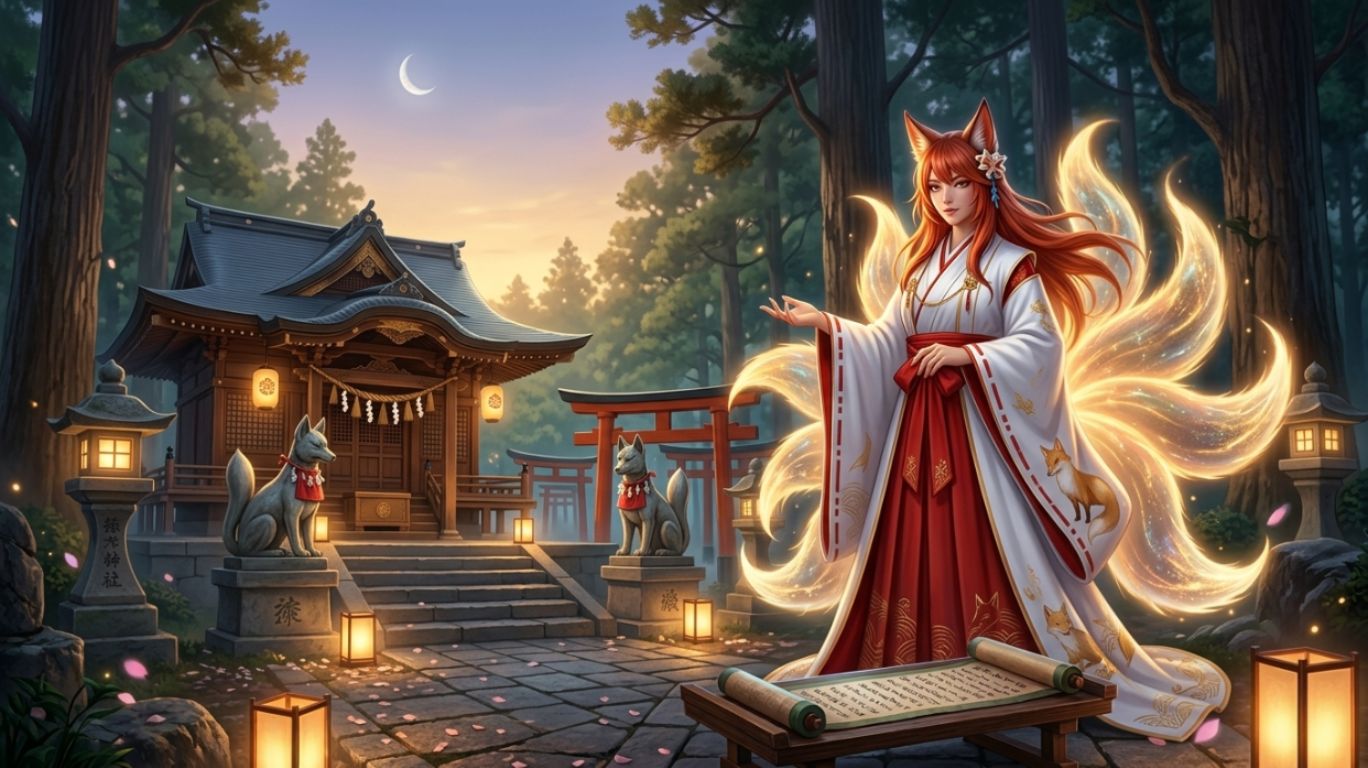
Japanese stories describe several categories of Kitsune, each with distinct behavior and motives. Zenko (善狐), or “good foxes,” serve as protectors and spiritual guardians linked to Inari shrines. These Kitsune guide travelers, bless families, and defend sacred areas. Their role highlights purity, wisdom, and service.
Yako (野狐), sometimes called Nogitsune, behaves unpredictably and challenges human assumptions. They mislead, provoke, and disrupt complacency by using illusions and pranks. While they cause problems, many stories portray them as teachers who expose arrogance and dishonesty.
Ninko (人狐) appear in possession legends. These spirits influence thoughts or emotions without physical form. Their presence reinforces the idea that Kitsune magic does not rely on visibility, and that control, fear, or temptation may arrive silently.
These categories show why Kitsune girls appear so differently from one story to another. Some guide heroes, others test them, and a few threaten them. The variety strengthens the Kitsune girl’s role as a symbol of complexity and contrast.
Transformation sits at the heart of Kitsune mythology. As fox spirits grow older, their intelligence grows sharper, and they learn to mimic human behavior in detail. Stories describe Kitsune learning speech, walking upright, copying mannerisms, and studying human interactions until they blend into society with complete accuracy.
Kitsune girls often enter relationships with humans. Many legends describe marriages that last for years before someone finds out the truth. A hidden tail, a distorted reflection, or a moment of panic often reveals the fox spirit’s identity. When that happens, the Kitsune usually disappears, leaving families with grief, confusion, or respect for the spirit who shared a life with them.
These stories illustrate the emotional depth of the Kitsune girl myth. She embodies the challenge of living between worlds: spirit and human, freedom and connection, instinct and empathy. This conflict creates many of the most memorable Kitsune legends and helps explain why modern audiences still identify with her.
Some regions of Japan even used the word “kitsune” as slang for clever or unconventional women. This tradition strengthened the link between fox spirits and feminine autonomy, intelligence, and social defiance.
The nine-tailed Kitsune, or Kyuubi no Kitsune (九尾の狐), represents the highest level of Kitsune ability. Folklore states that a fox spirit grows stronger every hundred years, gaining new tails as symbols of mastery and wisdom. A Kitsune with nine tails reaches near-divine status and commands extraordinary abilities.
A nine-tailed Kitsune girl often displays powers that include dream manipulation, creation of fox fire (kitsune-bi), elemental control, or the ability to see through illusions and deceptions. These abilities make her one of the most respected and feared figures in Japanese mythology.
Some stories praise nine-tailed Kitsune for wisdom and protection. Others portray them as destructive forces when consumed by ambition or vengeance. These conflicting roles emphasize a recurring Kitsune theme: immense power requires balance, discipline, and responsibility. Without that balance, even wisdom can transform into danger.
The Kitsune girl appears frequently in modern entertainment because she offers versatility and personality depth. Anime, manga, fantasy novels, and video games depict her with fox ears, multiple tails, sharp eyes, and expressive facial features that highlight her supernatural origin.
Her character can shift between roles with ease:
These portrayals align with folklore while allowing contemporary creators to study identity, transformation, and personal freedom. Artists and writers also appreciate her symbolic connection to emotion, intuition, secrecy, and adaptability. This blend continues to make the Kitsune girl a popular subject in digital art communities and anime-inspired storytelling.
Her presence in global pop culture reflects a shared fascination with characters who can change shape, conceal secrets, and manage multiple realities. She represents curiosity, danger, emotion, and power—traits that resonate with audiences across cultures.
Folkloric stories offer clear signs that reveal a Kitsune in disguise. The most common clue is the tail. Even skilled shapeshifters struggle to hide it completely, and it may appear as a shadow, reflection, or silhouette. Mirrors and water often reveal the true form beneath illusions, creating moments of dramatic tension in old stories.
Dogs also provide an important clue. Folklore describes dogs reacting aggressively or nervously around Kitsune. Because foxes and dogs symbolize opposing traits in Japanese mythology, a Kitsune girl may lose her disguise when confronted by a dog.
These clues add a playful element to stories and give the Kitsune girl myth its signature blend of mystery and detail.
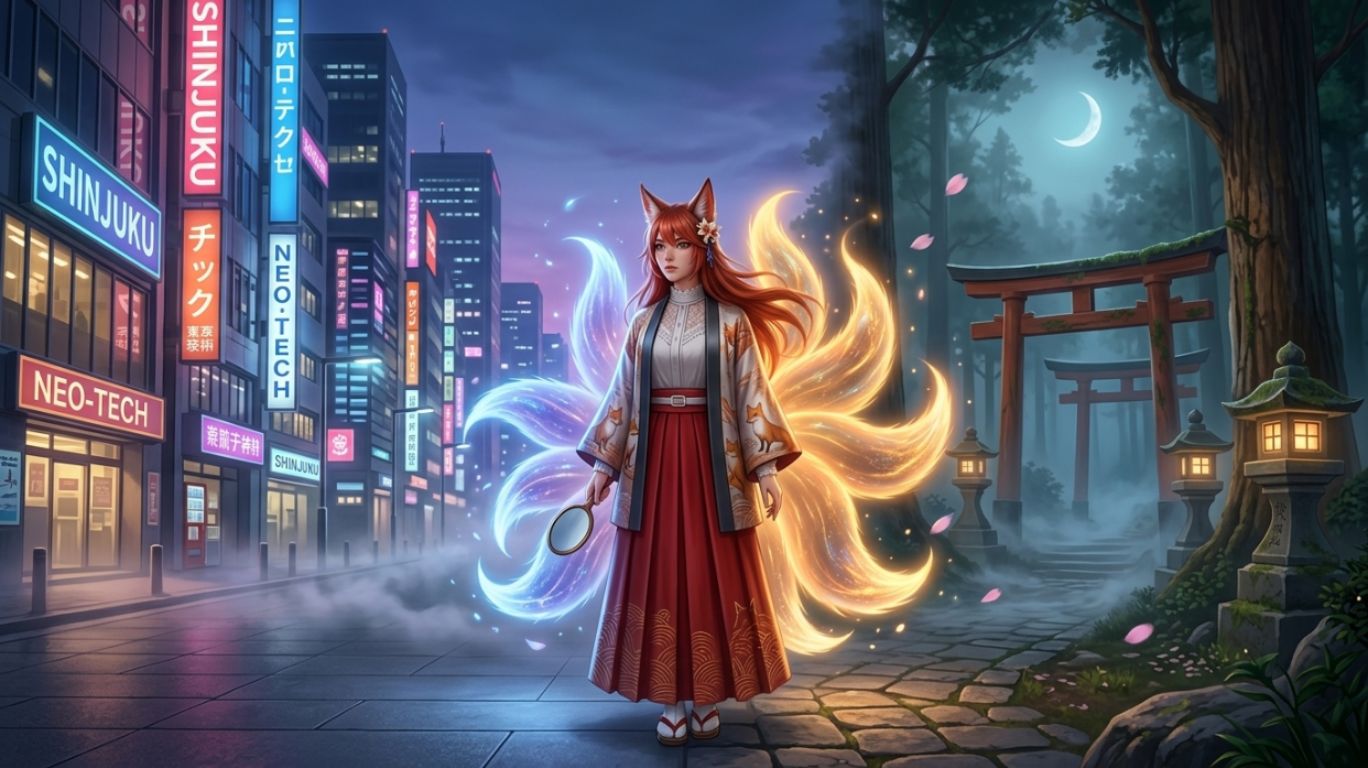
The Kitsune girl remains relevant because she represents personal transformation. Her story mirrors the human experience of adapting to new roles, hiding vulnerabilities, and seeking identity. She embodies intelligence, independence, sensuality, fear, curiosity, and inner conflict—all at once.
Modern audiences connect with her because she bridges fantasy and psychology. She shows how someone can hold multiple truths, manage opposing instincts, and reinvent themselves when necessary. Her myth encourages self-awareness, emotional complexity, and exploration of hidden strengths.
Because she stands at the intersection of folklore and modern storytelling, the Kitsune girl continues to inspire art, literature, gaming, and digital creative spaces.
Readers interested in character-driven storytelling, fantasy archetypes, or AI-powered creative tools can learn interactive experiences at NewGirlfriend.