

People may encounter incest gifs while browsing the internet or searching for adult content. These GIFs depict sexual interactions between close family members, making them a controversial topic because they involve serious legal, ethical, and psychological concerns.
This guide explains what incest gifs are, why they appear online, the risks associated with them, and how to respond responsibly if you encounter this type of content.
Incest gifs are short looping animations or video clips that portray sexual interactions between closely related family members. They may come from animated media, fictional adult content, or explicit videos.
Although some examples use fictional characters or actors portraying relatives, content involving actual family members or illegal exploitation violates laws in many jurisdictions. Laws vary by country, so users should understand the regulations where they live before accessing or sharing explicit material.
Several factors contribute to the spread of incest-themed content online.
People often become curious about subjects considered socially unacceptable. Some websites use controversial themes to attract attention and increase traffic.
Some adult media presents family-role scenarios using unrelated actors or fictional characters. While these productions may avoid real-world relationships, they still center on themes that many people consider ethically problematic.
Certain online communities promote niche interests and controversial fantasies. Repeated exposure within these spaces can make unusual content appear more common than it actually is.
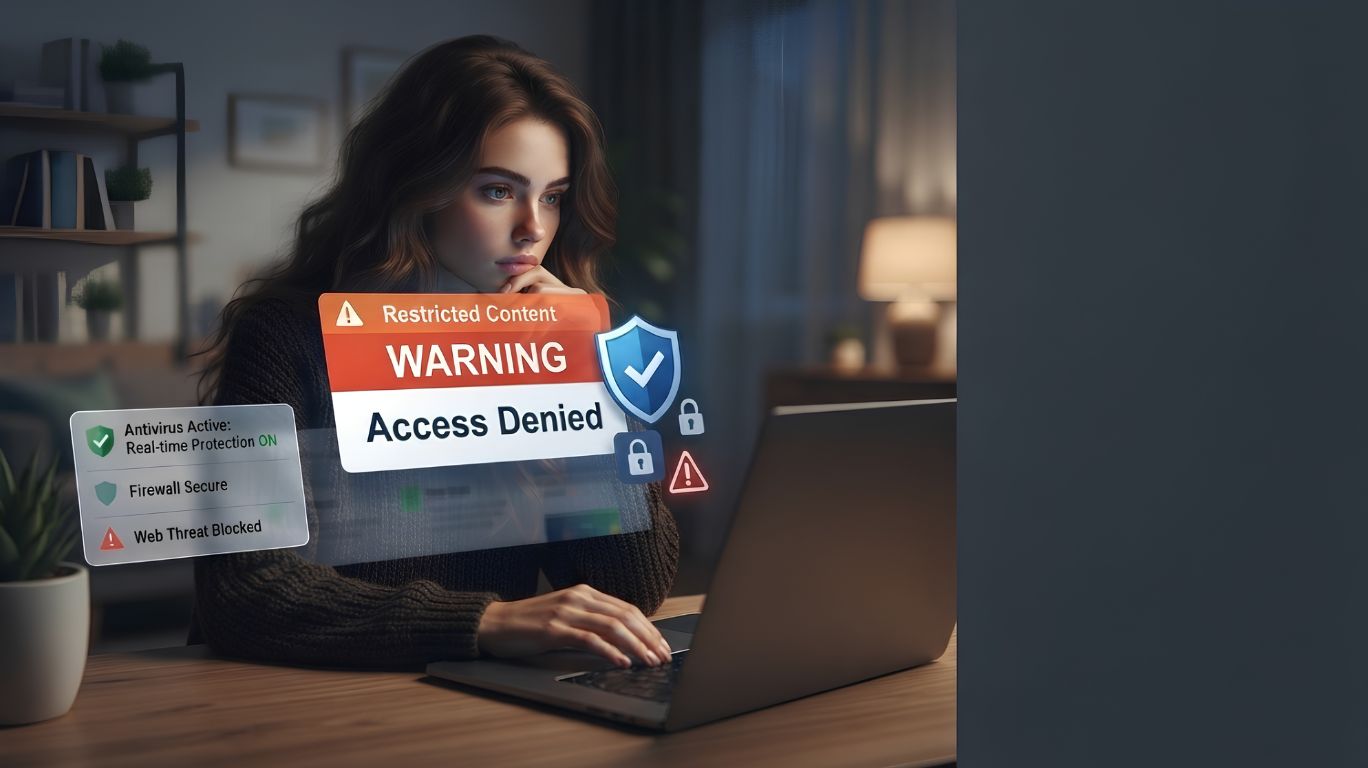
Viewing incest-themed content can involve legal, psychological, and cybersecurity concerns.
|
Risk |
Why It Matters |
|
Legal issues |
Laws in many countries prohibit content involving real incest or sexual exploitation. |
|
Ethical concerns |
The material depicts relationships that society generally considers harmful and unacceptable. |
|
Mental well-being |
Frequent exposure to extreme sexual content may influence attitudes toward healthy relationships for some individuals. |
| Cybersecurity |
Websites hosting explicit material may contain malware, phishing attempts, or scams. |
If you encounter or become curious about taboo content, take steps that protect both your safety and well-being.
Online safety involves more than protecting your device. It also includes making informed choices about the content you consume.
Good digital habits include:
These practices help reduce security risks while supporting responsible internet use.

Incest gifs remain one of the most controversial forms of adult content because they raise legal, ethical, and psychological concerns. Understanding why this material exists and recognizing its potential risks can help users make safer decisions online.
When exploring sensitive topics, rely on reputable educational resources, practice good cybersecurity habits, and avoid illegal or exploitative content. Responsible internet use protects both your personal safety and the broader online community.
It depends on local laws and the type of content involved. Material involving real abuse, exploitation, or minors is illegal in many countries and carries severe criminal penalties. Fictional content may also face legal restrictions in some jurisdictions.
Research suggests that repeated exposure to certain types of explicit material may influence attitudes or expectations for some people. Individual experiences vary, and anyone concerned about their viewing habits may benefit from speaking with a qualified mental health professional.
Psychologists have long recognized that forbidden or controversial topics often trigger curiosity. Curiosity alone does not determine behavior, but understanding why certain themes attract attention can help people make informed choices.