

Ice Spice NSFW has become one of the most discussed artists in contemporary hip-hop—not only for her catchy tracks but also for the bold visual storytelling that defines her image. Her latest video for “Popa” reignited debates about the line between creative expression and NSFW (Not Safe for Work) content. Some see it as an empowering statement of confidence and sexuality, while others question whether it crosses into purely provocative territory.
Beyond controversy, Ice Spice’s artistry reflects the broader evolution of how music and visual branding intersect in today’s digital era. Let’s study how her NSFW aesthetic fits into modern entertainment culture, and what it reveals about the changing relationship between music, image, and public perception.
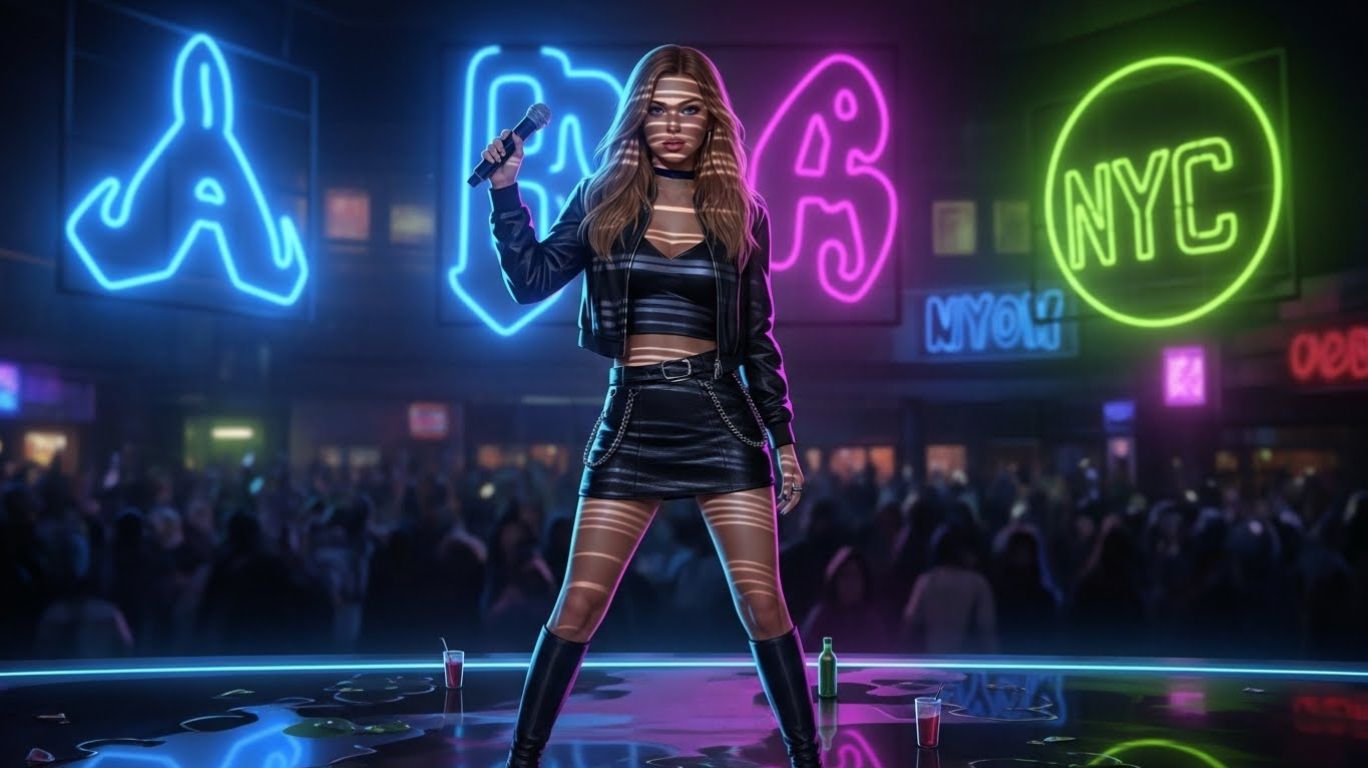
Ice Spice first gained attention through viral singles that resonated with Gen Z listeners. Her sharp lyricism merged with an approachable, internet-savvy persona. Her confident delivery and distinctive sound positioned her among a new wave of artists who balance authenticity with digital visibility.
While her debut album Y2K! received mixed reviews, Ice Spice used the attention—positive and negative alike—to solidify her brand. Rather than retreating from criticism, she leaned into public discourse, understanding that conversation is currency in today’s music landscape.
This strategic self-awareness demonstrates how artists can turn public opinion into opportunity, transforming criticism into a form of ongoing engagement.
The release of “Popa” amplified Ice Spice’s reputation for visually provocative art. The video features strip-club-inspired choreography, vibrant lighting, and confident displays of sensuality—imagery that has sparked both fascination and debate.
Rather than viewing it simply as an explicit production, it’s helpful to understand “Popa” within a broader cultural framework. Music videos have long used sexuality to capture attention—an evolution that can be traced back through Madonna, Lil’ Kim, Cardi B, and Megan Thee Stallion. Ice Spice continues this lineage but through a distinctly Gen Z lens: one that merges empowerment with meme culture, algorithmic reach, and self-promotion.
From a media perspective, such visuals are designed not merely for broadcast but for social media virality—where short clips, reactions, and debates drive visibility far beyond the original release.
In today’s entertainment economy, success often depends as much on visuals as on sound. Artists are now multimedia brands whose imagery shapes how audiences interpret their work.
For Ice Spice, NSFW aesthetics serve as both an artistic choice and a form of branding strategy. By controlling her image, she maintains agency over how she is perceived. However, this also invites scrutiny: critics argue that heavy reliance on sexual imagery risks overshadowing musical talent.
This tension—between creative autonomy and commercial optics—has become central to modern music discourse. As attention becomes a limited resource, artists like Ice Spice exemplify how visual identity and controversy can coexist as forms of self-expression and self-marketing.
Ice Spice’s rise has come with intense public scrutiny. Online commentary often blurs the line between artistic critique and personal judgment. Yet, she has maintained focus on her craft, responding through her work rather than through online disputes.
This approach underscores a valuable lesson for creatives in any field: resilience and consistency often matter more than immediate approval. By prioritizing her long-term vision, Ice Spice continues to expand her artistic reach, using each controversy as an opportunity for reinvention.
The term “NSFW” has developed beyond its original meaning. Once a simple warning label, it now functions as a form of cultural shorthand for content that challenges traditional boundaries. In music, NSFW imagery often drives engagement—reflecting the way digital audiences reward boldness and authenticity.
Data from entertainment analytics firms shows that visually provocative content consistently outperforms neutral material in engagement metrics, especially on platforms like TikTok and X (formerly Twitter). As a result, artists increasingly use sexuality and shock value to command audience attention in an oversaturated market.
Ice Spice’s career embodies this phenomenon. Her unapologetic self-presentation illustrates how NSFW content, when used strategically, can function as both a statement of empowerment and a tool for cultural commentary.
Ice Spice’s trajectory highlights more than one artist’s success—it reflects a generational shift in how audiences consume, interpret, and respond to provocative art. Her music and visuals mirror a digital era where identity, image, and authenticity are constantly negotiated in public view.
While some continue to debate her approach, Ice Spice remains a symbol of creative fearlessness in a culture where visibility often defines success. Her story illustrates how NSFW branding, when paired with self-awareness and purpose, can serve as both art and commentary.
To learn more discussions on creative expression, digital influence, and how technology shapes entertainment culture, visit girlfriend.ai—a platform dedicated to understanding how digital creativity connects people in new, expressive ways. Newgirlfriend.ai offers many AI girls to choose from as well as free and paid versions of the site.