
Internet culture constantly creates new niche terms, especially in spaces centered around anime art, digital characters, and AI-generated media. One phrase that sometimes appears in adult-tagged artwork and character discussions is hyper futa. While it may sound confusing at first, the term mainly exists within specific online fandoms and creative communities.
This guide explains the meaning of hyper futa, how it appears in anime-style artwork, and why AI tools have made niche character concepts easier to experience creatively.
The phrase “hyper futa” comes from two distinct ideas used in certain anime and fantasy art communities.
The word futa is derived from Futanari, a Japanese term historically used in niche adult manga or anime genres to describe fictional characters with mixed or dual sexual traits. Over time, the term moved beyond its original context and became widely used online as a shorthand tag in fan art, animation communities, and roleplay forums.
The addition of the word hyper typically signals exaggeration. In internet slang, hyper often means a highly stylized or over-the-top version of something. In art communities, it usually refers to exaggerated physical traits or fantasy-inspired proportions.
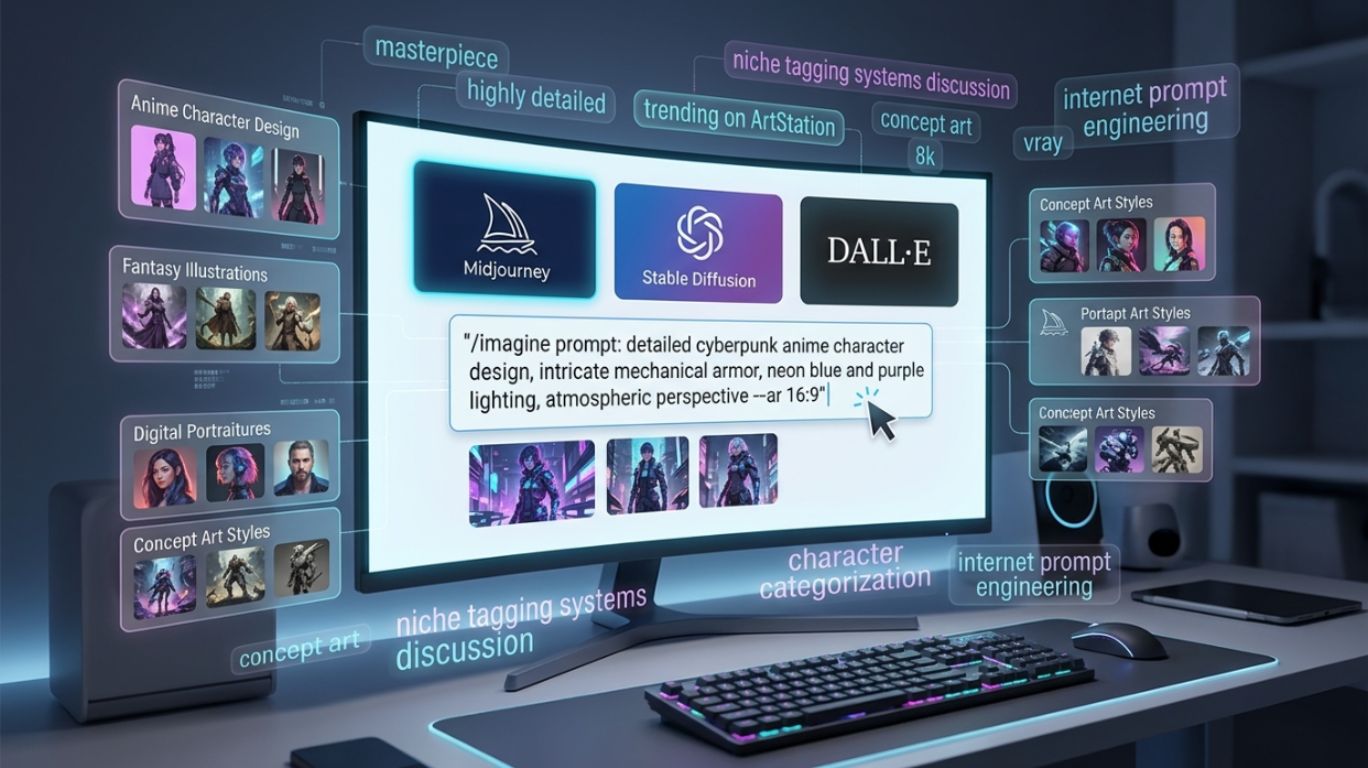
AI platforms such as Midjourney, Stable Diffusion, and DALL·E allow users to generate character artwork instantly using text prompts. Instead of drawing manually, users can describe what they want and let the AI generate a visual result.
Many platforms allow prompts such as:
Because these tools rely heavily on keywords and tags, niche fandom terminology often appears in prompts. Users sometimes include specific tags like:
AI models trained on large art datasets may recognize these tags and generate images accordingly. This is why unusual or highly specific terms sometimes show up when browsing prompts or AI art galleries.
The technology itself is neutral. It simply responds to descriptive language, whether the prompt is for a fantasy knight, cyberpunk hero, or stylized anime character.
Anime and manga art styles often learn exaggerated design elements. Characters may have:
These exaggerated features are part of what makes anime character design so recognizable. Many fans enjoy experimenting with creative variations that push the boundaries of traditional designs.
Some artists specialize in extreme stylization. This might include:
While not everyone participates in these subgenres, they are part of the broader ecosystem of internet art culture. Communities often create their own vocabulary to categorize different character styles.
Understanding these terms helps users recognize the kinds of content they may encounter on different platforms.
Another place where niche character terms appear is in AI roleplay or character chat platforms. These tools allow users to create fictional personalities and interact with them through conversation or storytelling.
Common uses include:
Users can build characters by describing personality traits, appearance, and backstory. For example, someone might create:
Because these systems rely on written descriptions, people sometimes include fandom-specific terms that reflect the type of character they want to create.
In creative communities, this becomes part of collaborative storytelling. Writers and artists use shared vocabulary so others can quickly understand the concept behind a character.
Online platforms that host fan art or AI-generated images often rely heavily on tagging systems. Tags help users search for specific styles or themes.
Examples of common tag categories include:
Some tags are widely known, while others exist only within small communities. A phrase like hyper futa falls into this second category. It is mainly recognized by people familiar with niche anime fandoms.
For general audiences, these tags may appear confusing or surprising. However, they are simply part of the broader tagging culture that helps organize massive libraries of digital art.
When browsing AI art platforms, understanding tags helps users:
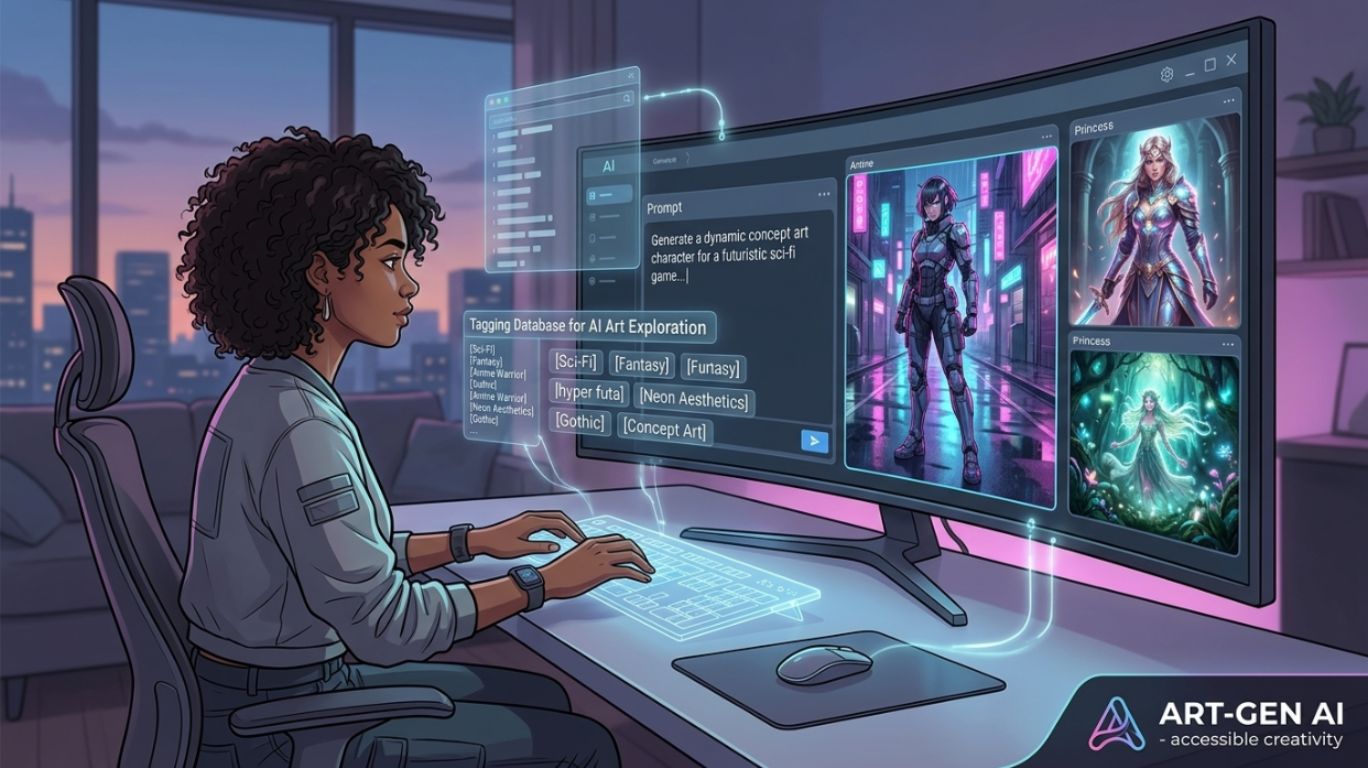
One of the biggest changes in online creativity has been the rise of text-to-image generators. These tools allow anyone to create visual art by typing a prompt.
For example, a user might describe:
The AI then generates images that match the description. This opens the door for people who may not have drawing experience but still want to experiment with character design.
Some advantages of AI art tools include:
Because prompts are text-based, users often borrow vocabulary from existing art communities. This is why internet-specific terms sometimes appear in AI prompt guides or art discussions.
Hyper futa is a niche term used mainly in certain anime fan art and adult-themed creative communities. The phrase combines elements of internet slang and fantasy character design language, often used as a descriptive tag rather than a formal genre.
With the growth of AI image generators and character chat platforms, these kinds of niche terms have become more visible online. AI tools rely heavily on prompts and tags, which means community vocabulary naturally spreads into new creative spaces.
Curious about creating and chatting with unique AI characters of your own? Study interactive conversations and immersive roleplay experiences at girlfriend.ai.