
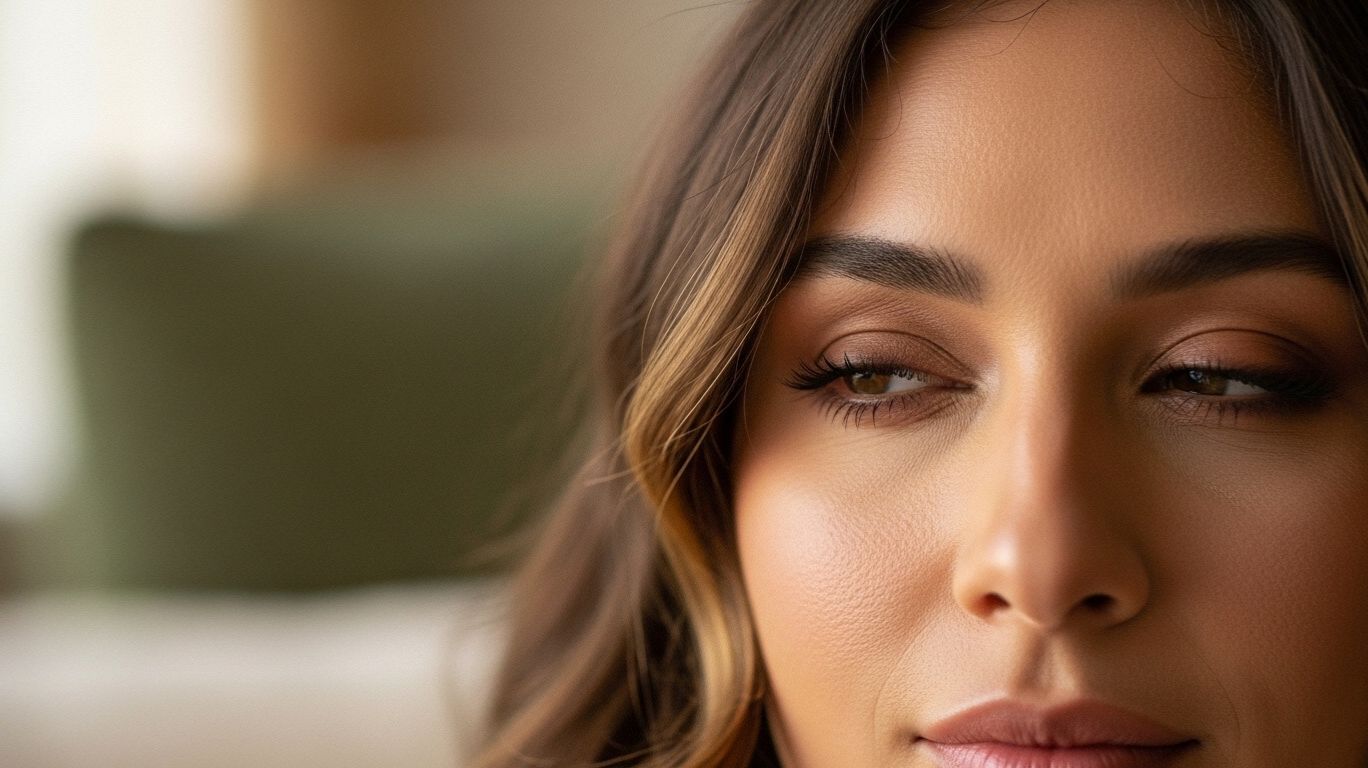
Eyes are one of the most expressive features on any character—whether animated, in comics, or even in real life. Sometimes, a simple adjustment in how the eyes are drawn or portrayed can completely change how we perceive a character’s personality or mood. One such eye style that has captivated audiences is the “half-lidded” gaze, a look often seen in animation and comics that conveys everything from tiredness to seduction. But what exactly does this iconic eye expression represent, especially regarding eye contact, and why do we find it so compelling?
Half-lidded eyes are drawn with the upper eyelids positioned at or near the center of the eyes, creating the appearance that the character’s half-closed eyes are only partially open. The effect makes the character seem like they are either too tired to open their eyes fully, disinterested in what’s going on, or exuding a laid-back attitude. Sometimes, this look can even signify a character deep in thought or looking at something with a slight disdain or skepticism.
This subtle but powerful eye style can be found across different entertainment mediums, such as cartoons, anime, comic books, and video games, serving as inspiration for various character designs. But it’s not just about how the eyes look—it’s how this expression affects the character’s entire persona.
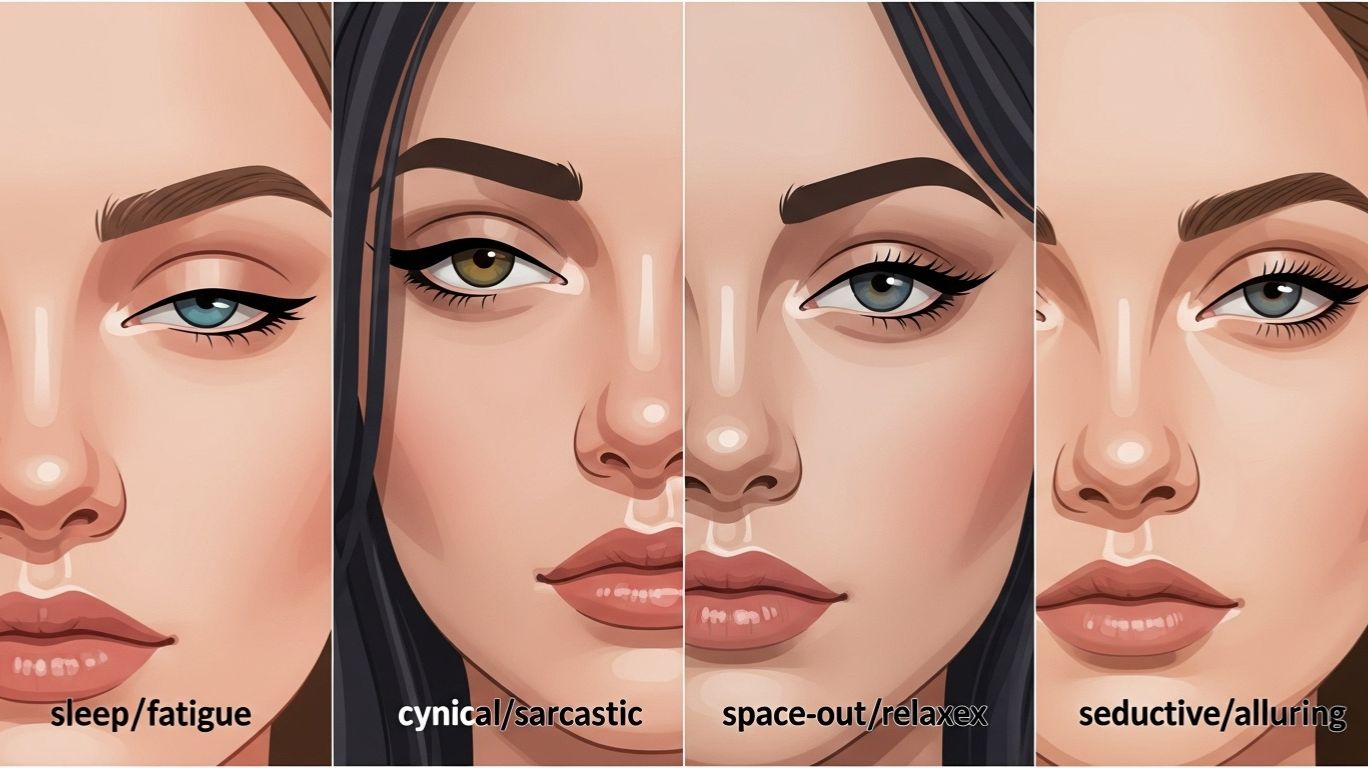
Half-lidded eyes aren’t just about tiredness or indifference. They’re versatile and can convey various emotions and traits in characters. Here are a few of the most common ways they’re used:
One of the most iconic uses of half-lidded eyes is to convey sleepiness or fatigue. Characters who are constantly tired or falling asleep mid-conversation often sport this look. It’s easy to tell the audience that a character isn’t fully engaged with their surroundings, giving them an almost lethargic or disinterested vibe. You’ve probably seen this in cartoons where characters, like sleeping students or lazy animals, like Garfield, exhibit this look as a prime example of half-lidded eyes.
When a character delivers a deadpan, cynical, or sarcastic remark, they might lower their eyelids to convey an air of nonchalance. This look suggests that they’re not particularly excited or invested in the conversation but are just saying something with a hint of sarcastic amusement. Think of those main characters who roll their eyes while delivering a remark that’s both cutting and casual—half-lidded eyes are the perfect complement.
In many animated series and films, characters depicted as being under the influence of substances often have half-lidded eyes. This not only suggests that they’re “spaced out” or “zonked” but also gives off the impression of being in a relaxed, carefree state, as noted in various research studies. These characters may be unaware of their surroundings or too chill to care about what’s happening.
In contrast to the tired or sarcastic looks, half-lidded eyes can also create a more seductive or sensual appearance. This is often seen in media where a character intentionally tries to appear alluring or mysterious. Think of the classic “bedroom eyes” look where a character might lower their eyelids, raise an eyebrow, or give a sly smirk, showcasing a particular expression of allure. This expression is associated with characters who are being intentionally flirty, and it can convey a mix of confidence and mystery.
While the half-lidded eyes are key to expressing these moods, the eyebrows and body language often work in tandem to enhance the overall message. Here are some eyebrow combinations that can shift the meaning of the half-lidded gaze, particularly in relation to how they interact with other characters :
When the eyebrows are arched or relaxed, it reinforces the idea of a carefree or laid-back attitude. This can be seen in characters who don’t take things too seriously and other things that help project a cool, collected demeanor. Relaxed eyebrows paired with half-lidded eyes can make a character seem aloof but still approachable.
On the other hand, if the eyebrows are furrowed while the eyes are half-lidded, it suggests a more skeptical, cynical, or even annoyed mood. This combination, influenced by the relaxation of eye muscles, is often used for characters with a sharper edge or who are just plain unimpressed with the situation. They might be in the middle of making a biting comment or rolling their eyes at something they find ridiculous.
A raised eyebrow in combination with half-lidded eyes can create a sly or knowing expression. It’s often used by characters who are being witty or sarcastic—note the combination with half-lidded eyes. This particular eyebrow gesture can convey that the character is aware of something others are not, giving them an air of superiority or mystery.
In the world of anime, half-lidded eyes are often referred to as “Jitome Eyes.” This term refers to how characters are drawn with their eyes half-closed, giving them a relaxed or uninterested appearance that can also hint at a desire to disengage from their surroundings. Jitome eyes are typically seen in characters who are either too tired to care, indifferent to their surroundings, or just so nonchalant that they don’t feel the need to engage fully.
Interestingly, Jitome’s eyes are sometimes paired with other expressive features, such as the “Perpetual Frowner” or the “Smug Smiler,” to exaggerate a character’s emotional state further. Jitome eyes can also convey a sense of smugness or self-assurance, often seen in the subtle crease of their eyelids when combined with a smirk or a raised eyebrow.

Half-lidded eyes may seem like a small detail, but they carry much weight in animation and comics. Whether they’re used to show tiredness, sarcasm, seduction, or indifference, they help give characters depth and nuance, allowing them to express various emotions and attitudes without saying a word, reflecting the complexities of each person. Next time you spot a character with this iconic eye style, could you take a moment to consider what it reveals about them? Chances are, it’s more than meets the eye.
Want to learn more about how characters express themselves? Check out girlfriend.ai for insights on personality, communication, and character design, and to learn the dull aspects of character representation!