
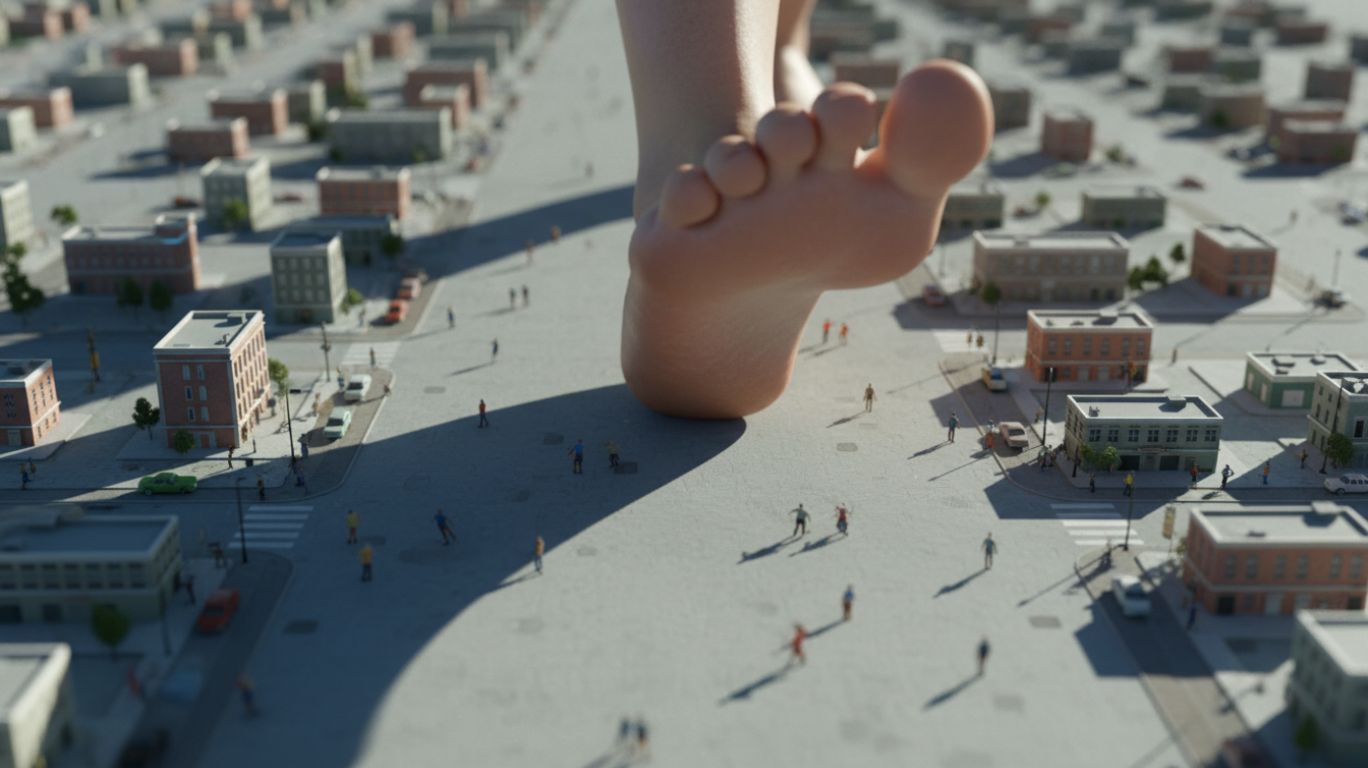
Giantess POV is a social media video style that makes a person appear extremely large to the viewer through camera placement and forced perspective. Creators film from a low angle and place objects close to the lens so the subject looks enormous on screen.
Short-form platforms such as TikTok helped the style spread quickly because the illusion works well in vertical video and requires minimal equipment.
Giantess POV is a point-of-view video technique that makes a person appear gigantic relative to the viewer.
Creators place the camera low or close to miniature objects so the subject looks dramatically larger than the environment. When the subject interacts with objects near the camera—such as pretending to pick up the viewer—the illusion strengthens.
The effect relies on forced perspective, a visual method widely used in photography and cinema. According to Wikipedia, forced perspective manipulates distance and scale so objects appear larger, smaller, closer, or farther away than they actually are.
Filmmakers have used the same technique in large-scale productions. For example, forced perspective helped create scale illusions in films such as The Lord of the Rings: The Fellowship of the Ring, where characters of different sizes share the same scene.
Giantess POV simply adapts this cinematic trick to short-form mobile video.
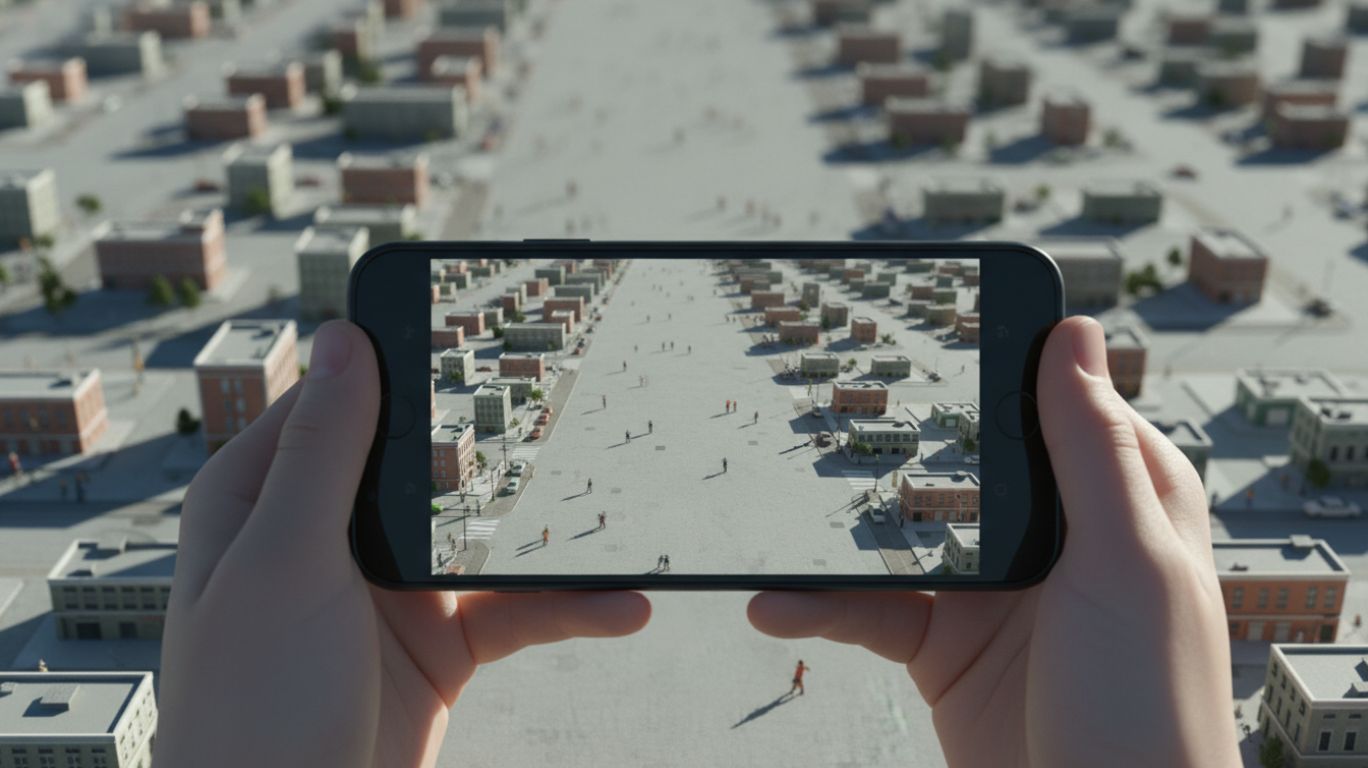
Creators achieve the illusion by controlling camera placement, distance, and object scale.
Instead of relying on digital effects, most videos depend on practical techniques that anyone can test with a smartphone.
|
Technique |
How It Works | Viewer Effect |
|
Low Camera Placement |
Camera sits near the ground pointing upward |
Subject appears towering |
|
Forced Perspective |
Subject stands farther away while props sit near lens |
Size difference looks exaggerated |
|
Scale Props |
Small objects placed near the camera |
Enhances illusion of miniature world |
| POV Framing | Camera represents the viewer’s eyes |
Audience feels inside the scene |
The technique succeeds because human depth perception relies heavily on visual cues such as object size and distance. Research from the Massachusetts Institute of Technology shows that the brain interprets scale based on surrounding visual references. When those references change, the perceived size changes as well.
Giantess POV exploits that perception rule in a simple but effective way.
Giantess POV videos spread widely because the illusion works instantly in a vertical video feed.
Short-form platforms reward visuals that capture attention within the first few seconds. A giant figure interacting directly with the viewer creates an immediate hook.
Several factors explain the trend’s growth:
Because the format combines simple production with strong visual payoff, many creators experiment with it across different genres such as comedy, fantasy scenes, and short skits.
The idea of interacting with giant characters predates social media by centuries.
Stories featuring dramatic size differences appear in literature such as Gulliver’s Travels. In that story, the protagonist encounters societies where scale differences change the power dynamic between characters.
Cinema later adapted similar ideas through camera tricks and miniature sets. Forced perspective techniques allowed filmmakers to simulate dramatic size differences without digital effects.
Modern creators simply combine those traditional visual techniques with mobile video platforms. The result feels new because the viewer experiences the scene through a first-person perspective rather than as a distant audience.
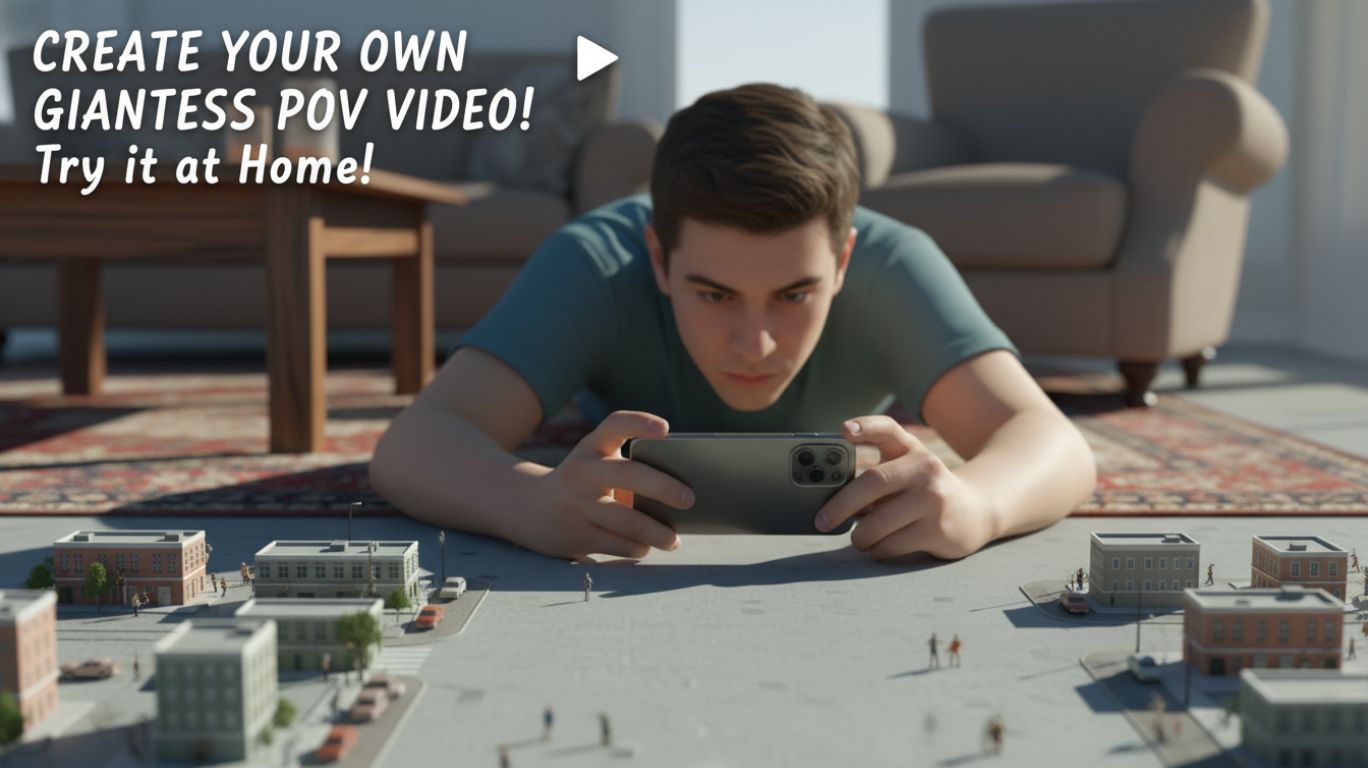
You can create a basic giantess POV clip using only a smartphone and simple props.
Follow these steps to test the effect:
Many creators refine the technique by studying other examples on platforms like TikTok to understand how framing affects perceived scale.
Perspective determines how viewers interpret size, distance, and power relationships inside a scene.
In visual media, camera placement influences the emotional impact of a moment. A low camera angle often makes subjects appear dominant or powerful, while high angles make subjects appear smaller or vulnerable.
Researchers in visual perception studies—including work referenced by the American Psychological Association—show that perspective strongly affects how viewers interpret spatial relationships.
Giantess POV uses that principle in an exaggerated way. The viewer occupies the smallest position in the scene, which amplifies the illusion of scale.