
Female Werewolf: Myths, Legends, and Fantasy Roleplay

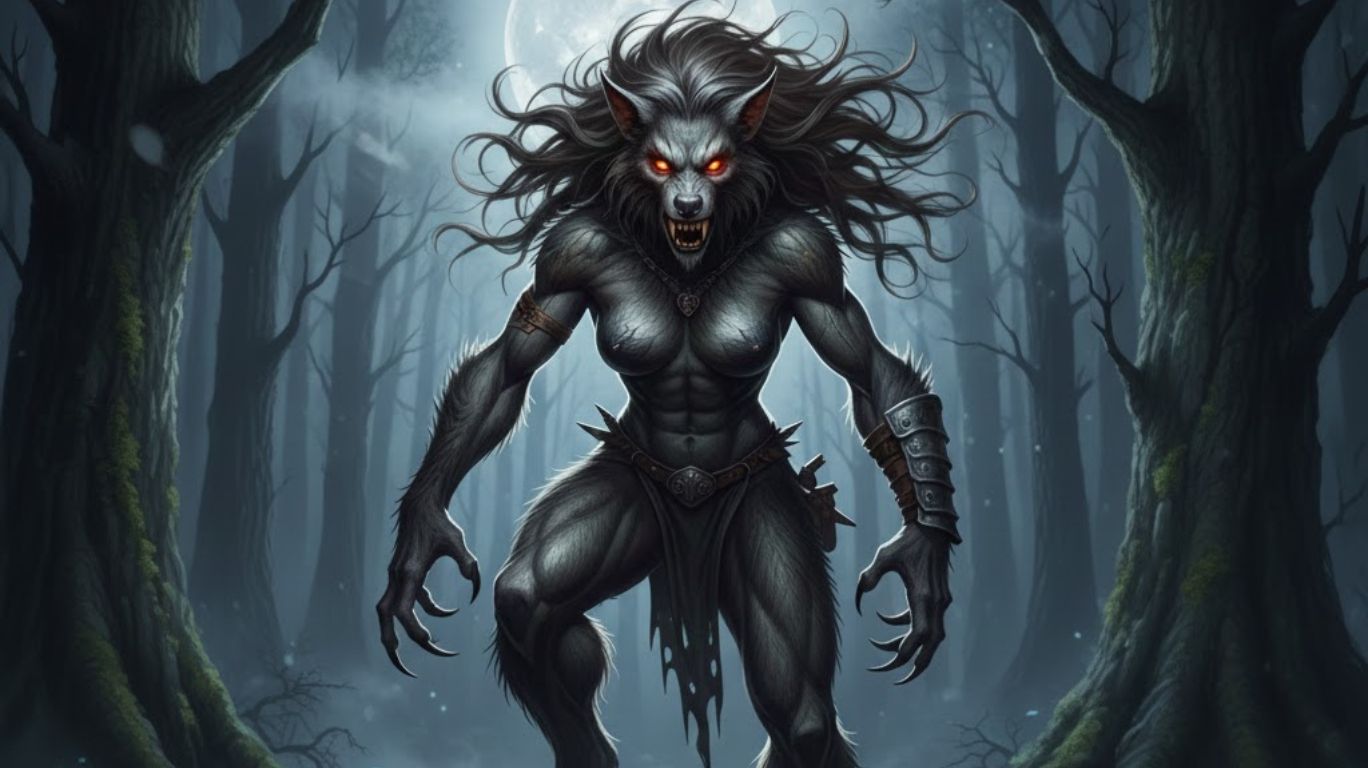
Female werewolf with glowing eyes under a full moon in a dark forest, showing sharp claws and a powerful, mystical presence in a fantasy horror scene.

When you picture a werewolf, chances are you imagine a fearsome beast under the full moon — but what about her female counterpart? The female werewolf has captured imaginations for centuries, blending folklore, mythology, and modern fantasy elements. Old stories worldwide have featured female werewolves, and many people may not realize how often these girls appear in folklore. Whether she’s one mysterious creature of the night, a seductive huntress, or the fierce alpha of her pack, the female werewolf brings unique energy to storytelling and roleplay.

The term ‘werewolf’ is often thought to mean ‘man-wolf’, but in reality, folklore has found both men and women called werewolves. If you take a closer look at the work of folklorists, you’ll see many interesting things about how these myths were made and how the idea of the female werewolf has developed. One thing that stands out is how these stories have persisted, even if they are sometimes overlooked.

Key Takeaways

  • Female werewolves appear as powerful, mysterious figures in myths, folklore, and fantasy.
  • They often symbolize independence, primal instincts, and transformation.
  • In roleplay, they can be portrayed as protectors, hunters, or even captivating tricksters.
  • Their pack dynamics and alpha status add depth to storytelling.
  • Understanding female werewolves in roleplay can enhance immersion and creativity.

Origins of the Female Werewolf

While werewolves are well-documented in folklore across Europe, Asia, and the Americas, female werewolves hold a special place for people. Stories of female werewolves have been found in old legends from many cultures, and if you look closely, you may see that these stories are more common than people thought. In some legends, women were cursed to transform into wolves as punishment for witchcraft or betrayal. In others, they were protectors of sacred forests or shapeshifters who could walk between human and beast worlds at will.

Unlike their male counterparts, female werewolves were often portrayed as cunning and strategic, relying not just on brute force but intelligence and intuition. Much of folklorists’ work has focused on clarifying these misconceptions. These traits carry over into modern interpretations, where female werewolves are imagined as alphas, leaders, or mystical guides.
Personality Traits and Characteristics

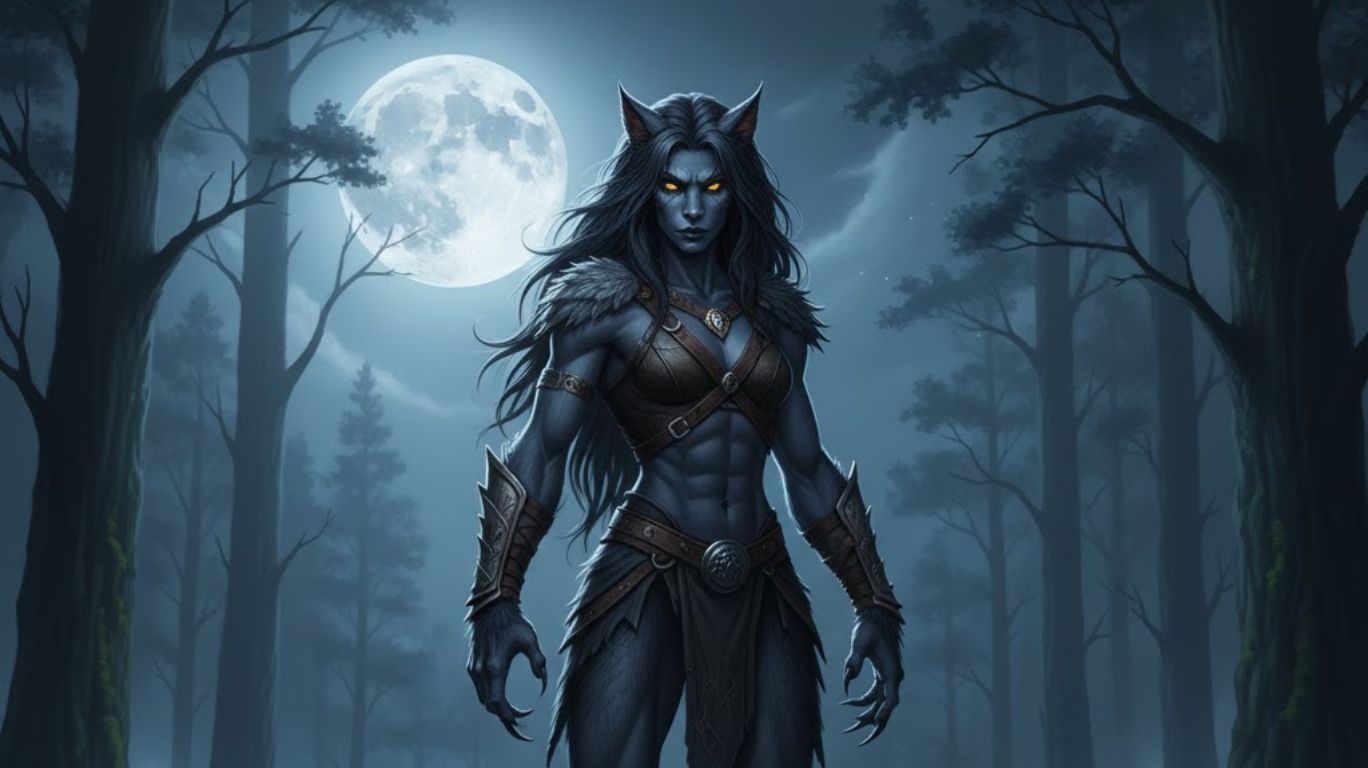
Female werewolf in a moonlit forest, showing sharp claws, glowing eyes, and a confident posture that reflects her complex personality traits of strength, wisdom, and independence.

The female werewolf is more than just a “monster.” She embodies complexity:

  • Protective instincts – guarding her pack or territory fiercely, sometimes motivated by love or a deep desire to protect those she cares about.
  • Strategic thinking – using patience and cunning rather than reckless aggression.
  • Dual nature – balancing the human side’s compassion with the wolf side’s primal desires and learning how these aspects interact.
  • Mystique – often tied to the moon’s cycles, her transformations reflect inner strength and hidden power.

The kind of relationships a female werewolf forms can vary—she might be taken, single, or somewhere in between, but she is still fiercely independent. Players and writers might think about what their character would do in a given situation, and get to know their character’s dual nature through roleplay.

These traits make female werewolves incredibly versatile in role-play scenarios. They can be written as playful tricksters, intimidating alphas, or even unlikely allies to adventurers who cross their territory.

Female Werewolves in Fantasy Roleplay

For those who enjoy immersive storytelling or roleplay games, female werewolves add drama and tension. Imagine entering a moonlit forest where an alpha werewolf warns you to survive the night — or risk being claimed by her pack. The suspense, the chase, and the “hunter versus prey” dynamic bring excitement.

How a scene takes shape in roleplay can make all the difference, and what players say can set the tone for the story. Some roleplayers lean into the thrill of the hunt, crafting elaborate scenarios where the pack teases or outsmarts their quarry. Others focus on the more profound lore, focusing on traditions, rituals, or their connection to the land. — the pack’s traditions, rituals, or connection to the land they guard.

No matter the direction, female werewolves allow for:

  • Rich storytelling with layered characters.
  • Heightened immersion through the primal energy of the hunt.
  • Creative freedom to blend fear, fascination, and fantasy.

Why the Female Werewolf Fascinates Us

So, why does this archetype hold such allure? At the heart of it, the female werewolf is often depicted as looking both pretty and fierce, and her appeal really stands out in stories. She represents a clash of opposites: beauty and beast, intelligence and instinct, nurturing and dominance, if you look closely. Her transformation back to human form is decisive, and the fascination with her has lasted a long time. Her blood ties to the pack, the music of the hunt, and the way she is rated among the stars of fantasy all contribute to her ongoing allure. At her best, the female werewolf is a good example of how myth and modern storytelling can blend.

In modern fantasy culture, she’s not just a creature to fear, but a character to respect — someone whose story can be tragic, thrilling, or empowering.
Conclusion

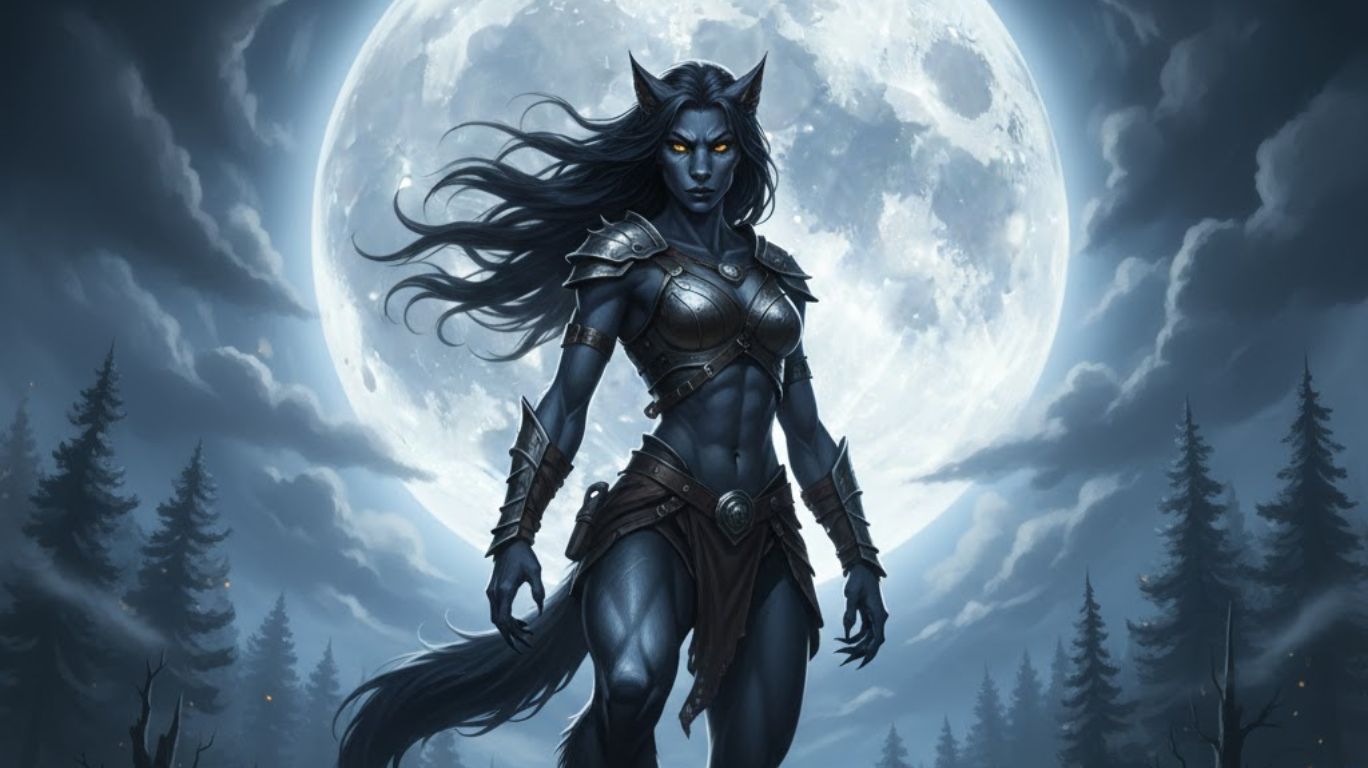
Female werewolf on a cliff under a full moon, glowing eyes and wild hair highlighting her strength, transformation, and primal allure in a mystical fantasy setting

The female werewolf is more than just a mythological creature; she’s something more than just a symbol of strength, transformation, and primal allure. Whether you’re fascinated by her folklore origins or eager to bring her into your roleplay adventures, experiencing her world opens the door to richer, more imaginative storytelling.

Ready to create your own immersive roleplay experience with intelligent characters? You can try it today at girlfriend.ai.

FAQs About Female Werewolves

  1. Are female werewolves familiar in folklore? Yes! While most traditional werewolf legends focus on men, stories of female werewolves exist across cultures. Looking at a list of folklore worldwide, you’ll see many stories where women are called werewolves. In some European folklore, women were believed to transform into wolves as punishment for curses or witchcraft. In Native American and Norse traditions, shapeshifting women appeared as guardians or mystical beings tied to the natural world. Today, fantasy and roleplay communities often expand on these ideas, making female werewolves a popular character type.
  2. What makes female werewolves different from male werewolves? Female werewolves are often portrayed as more strategic and cunning than their male counterparts. While male werewolves might rely on brute force, female werewolves are described as intuitive, patient, and fiercely protective of their pack. Some may not know that female werewolves still get overlooked, but experts say their stories are just as important. Their personalities can also blend traits like nurturing and dominance, which adds depth to storytelling. In roleplay, this makes them versatile characters who can be both intimidating and captivating.
  3. How are female werewolves used in roleplay scenarios? Roleplayers often use female werewolves to create thrilling “hunter versus prey” dynamics, mystical alpha-led packs, or protective guardians of enchanted forests. A popular setup is the challenge of surviving in their territory — adding suspense, teasing encounters, and clever mind games. Because of their dual nature (human and wolf) can be written as tricksters, leaders, or even allies, depending on the story’s tone.
  4. Do female werewolves symbolize anything in myths or fantasy? Yes. They often symbolize freedom, transformation, and the untamed side of human nature. Their connection to the moon highlights cycles of change and hidden power. In many stories, they represent the balance between civilization and primal instinct — reminding us that part of our spirit is always wild and unrestrained.
  5. Why are female werewolves so popular in modern fantasy? The fascination comes from their contrast: beauty and beast, compassion and ferocity, intelligence and instinct. They challenge traditional roles by being both fearsome predators and complex characters. Modern storytelling and roleplay make them exciting to encounter because they’re unpredictable — sometimes dangerous, sometimes alluring, always unforgettable.

New Girlfriend Ai

Join our Newsletter

Sign up for our newsletter to enjoy updates and roadmap achievements on our New Girlfriends.

Contact Info

  • 6430 W Sunset Blvd, #1205
    Los Angeles CA 90028

  • info@newgirlfriend.ai

    Ph: (818) 275-0391‬
allowed payment types
Help Us Improve, Win Up to $500 🎁
Share a few quick answers to help us build a better experience for you and others
What Brings You to New Girlfriend AI? **