
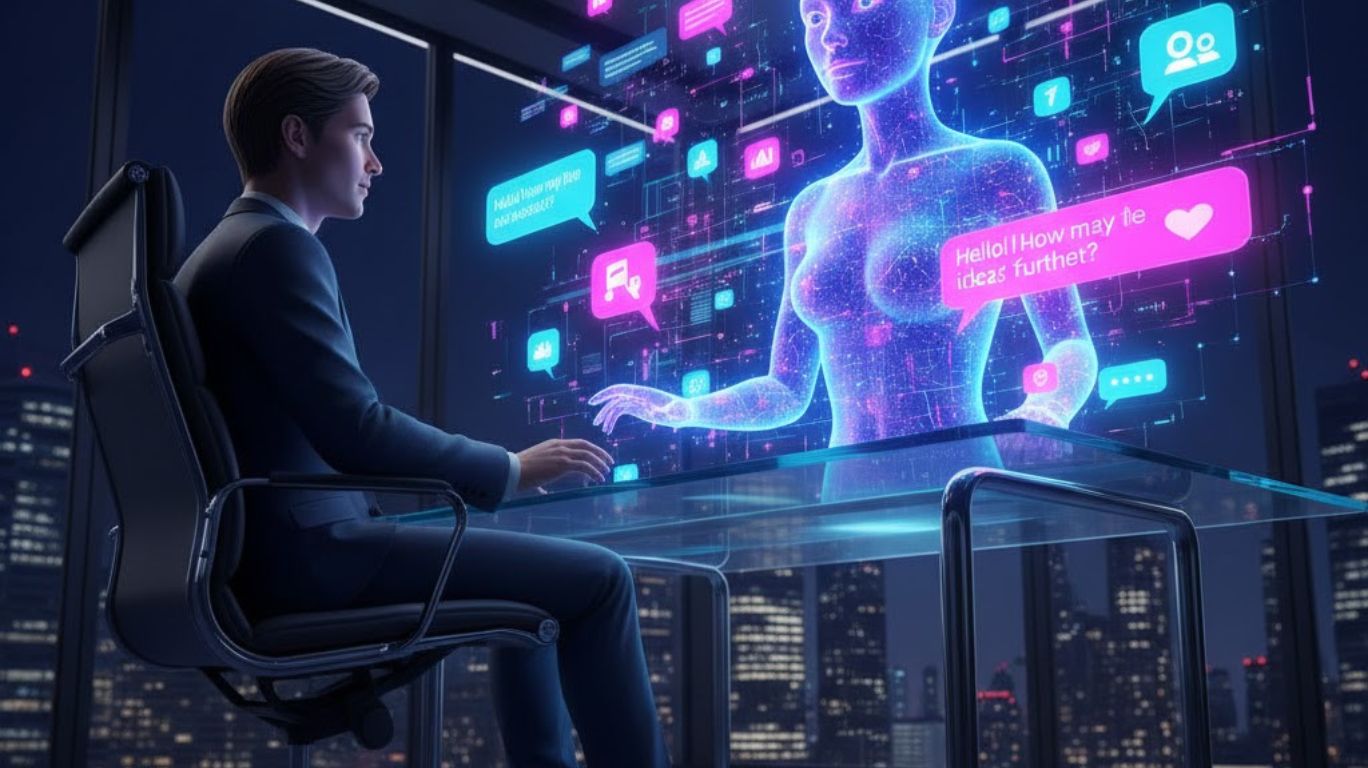
In today’s digital-first world, talking to machines no longer feels futuristic—it feels natural, and including image recognition enhances this experience. Whether you’re asking your intelligent assistant for the weather, chat on AI, or experimenting with creative AI roleplay, conversations powered by artificial intelligence (AI) are everywhere. This growing field, often called AI chat, revolutionizes how humans connect with technology.
AI chat doesn’t just answer questions; it understands intent, adapts to context, and creates almost human interactions. By blending natural language processing, machine learning, and smart dialogue design, AI is helping machines communicate in intuitive and engaging ways.
At its core, AI chat refers to systems that use artificial intelligence to converse with humans. These conversations may happen in messaging apps, on websites, or through voice assistants. The goal is to make interactions feel natural, removing the friction of rigid commands and allowing you to communicate just as you would with another person.
Unlike traditional chatbots that rely on scripted responses, modern AI chat systems use contextual understanding to interpret questions, clarify intent, and provide nuanced replies. This makes them more flexible, accurate, and engaging.
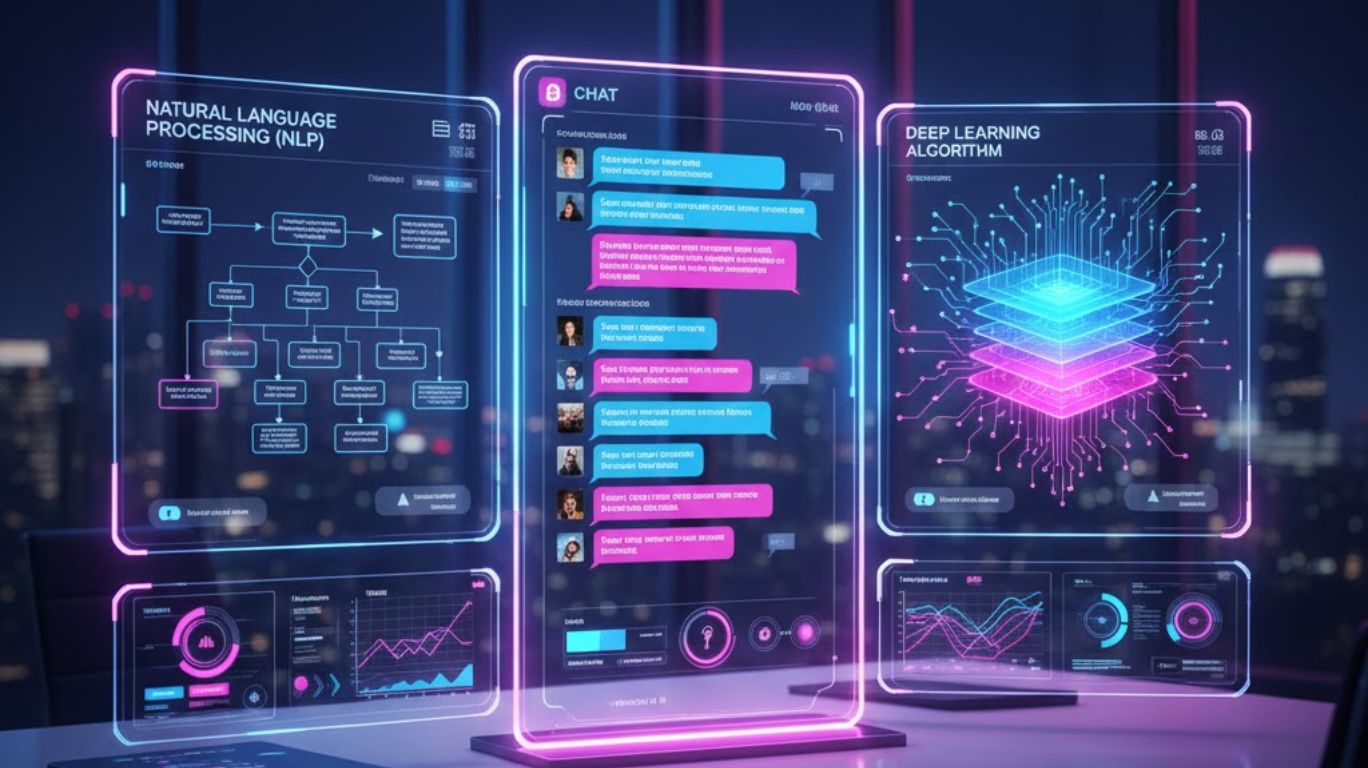
The effectiveness of AI chat, which keeps a detailed chat history log, lies in the technologies working behind the scenes. Each component plays a role in helping machines understand human language and respond effectively:
Natural Language Processing (NLP) – NLP bridges human language and computer understanding. It enables AI chat systems to analyze sentences, identify intent, and even detect tone. For example, if you type “I need help with my order,” NLP lets the system know you’re looking for support, not product recommendations.
Machine Learning (ML) and Deep Learning (DL) – These systems get smarter over time. By processing thousands (or millions) of conversations, they learn to recognize patterns, anticipate user needs, and deliver increasingly accurate responses. Deep learning, in particular, helps machines grasp subtle nuances in conversation—like sarcasm or informal slang—that older bots often miss.
Together, NLP and ML, alongside enhanced creativity, transform AI chat from a basic Q&A machine into a dynamic conversational partner.
Every AI-powered conversation follows a structured process to ensure that replies make sense. Here’s how it works step by step:
This pipeline ensures that conversations feel coherent and responsive, not robotic.
AI chat is no longer a niche technology—it’s being used across industries to improve accessibility, cut costs, and provide better user experiences. Some of the most common applications include:
AI-powered chatbots can handle FAQs, troubleshoot problems, and route complex issues to human agents. Businesses benefit from 24/7 availability while customers enjoy faster solutions.
From appointment scheduling to symptom triage, AI chat tools help support patients and providers. Some platforms even assist in mental health support, offering guided conversations for stress and anxiety relief.
AI tutors and study assistants personalize learning experiences, helping students access resources instantly. Teachers also use AI chat to manage student inquiries and free up classroom time.
Financial chatbots help customers track spending, set budgets, or answer queries about loans and investments—all in real time. This creates a safer, more convenient way for users to manage their finances, including the ability to file their financial documents easily.
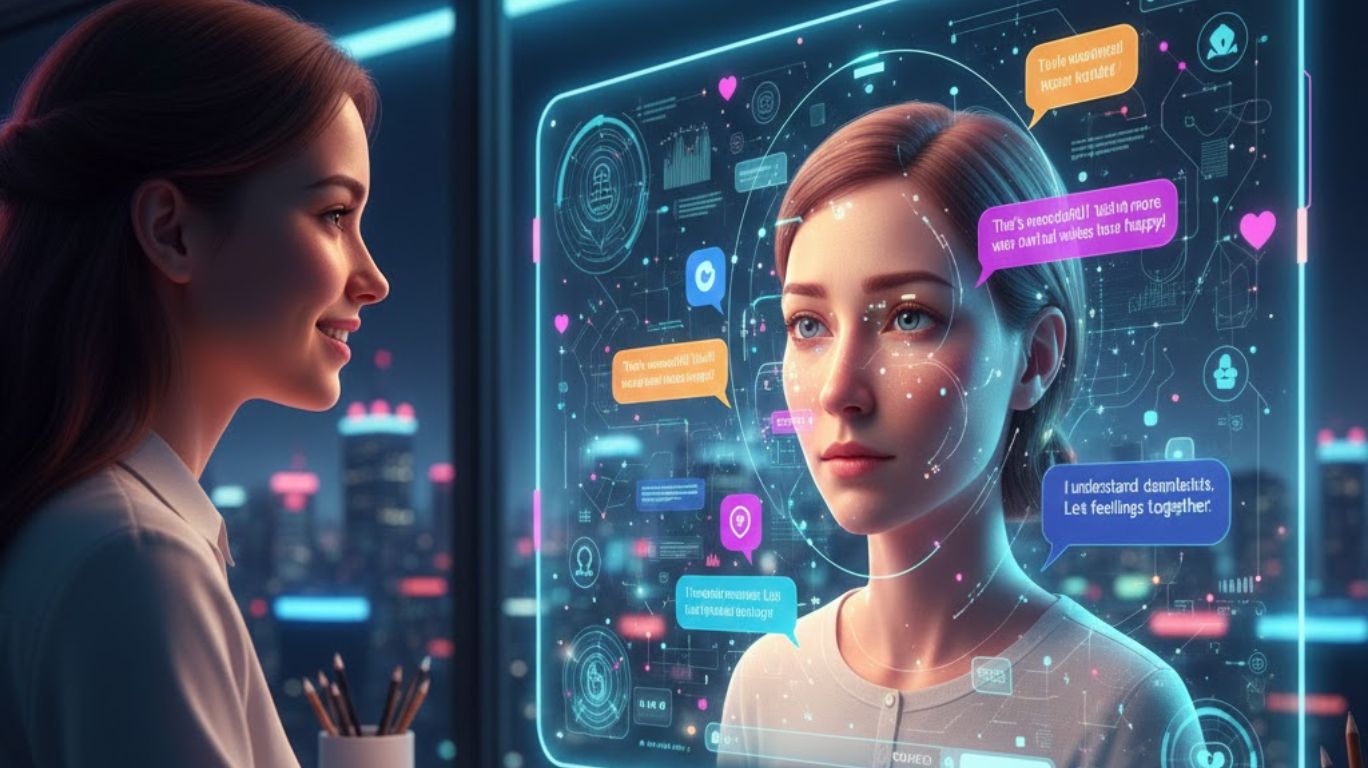
AI chat is still developing, and the future looks even more exciting. The next big leap involves making systems more emotionally intelligent. Imagine an AI that understands your words and mood—responding with empathy when you’re frustrated or excited when you’re celebrating.
Also, as AI integrates deeper into smart devices, workplaces, and social platforms, we may soon interact with conversational AI throughout the day without even realizing it. The ultimate vision is seamless communication between humans and machines, where technology feels less like a tool and more like a companion.
AI chat is reshaping how we communicate in the digital age. By combining cutting-edge technologies with natural human conversation, it’s breaking down barriers between people and machines. Whether you’re looking for faster customer service, health reminders, financial advice, or even a friendly chat, AI is making it possible.
An AI chat platform like girlfriend.ai demonstrates how conversational systems can feel natural and engaging. To learn more examples of conversational AI and its real-world applications, visit reputable AI research platforms or technology blogs that track the latest developments. Newgirlfriend.ai offers many AI companions to choose from as well as free and premium versions of the site.