

AI voice porn is adult-oriented content that uses artificial intelligence to generate spoken conversations or role-play in real time. Unlike prerecorded audio, these systems create responses dynamically using technologies such as large language models, natural language processing, text-to-speech, and voice synthesis.
AI voice porn refers to adult-oriented content that uses artificial intelligence to generate or simulate spoken conversations, role-play, or other audio interactions. Instead of relying only on prerecorded recordings, these systems use technologies such as natural language processing (NLP), large language models (LLMs), text-to-speech (TTS), and voice synthesis to produce dynamic responses during a conversation.
Unlike traditional adult media, AI voice systems generate dialogue in real time. Depending on the platform, users may be able to customize voice characteristics, conversation styles, or fictional character personalities.
This article explains how the technology works, its common features, privacy considerations, limitations, and ethical issues.
AI voice systems rely on several technologies, including large language models, natural language processing, text-to-speech, and voice synthesis, to generate spoken responses in real time. These technologies have advanced rapidly in recent years, enabling more natural conversational experiences. The U.S. National Institute of Standards and Technology (NIST) provides guidance for developing and managing trustworthy AI systems through its AI Risk Management Framework.
Common technologies include:
These systems work together to produce conversations that adapt throughout an interaction rather than playing a fixed audio recording.

Features differ by platform, but many AI voice applications include:
Not every platform offers the same capabilities, and available features may change over time.
Traditional adult media generally presents fixed content that does not change based on user interaction.
AI-generated voice systems instead generate responses during the conversation. This allows interactions to adapt to user prompts while remaining software-generated rather than prerecorded.
|
Feature |
Traditional Adult Audio | AI Voice Systems |
|
Conversation |
Fixed recordings |
Dynamically generated |
|
Customization |
Limited |
Often customizable |
|
Interaction |
Passive listening |
Interactive dialogue |
| Content | Static |
Changes based on prompts |
Privacy and data handling practices differ across AI services. Before creating an account, users should review how a platform collects, stores, and processes personal information. The U.S. Federal Trade Commission (FTC) also recommends understanding how AI-enabled services use consumer data and maintaining strong privacy practices when interacting with online platforms.
Before using any AI service, users should review:
Users should avoid sharing sensitive personal or financial information during AI conversations unless they understand how the platform stores and processes data.
Although AI voice technology has advanced rapidly, current systems still have limitations.
These may include:
Performance depends on the underlying AI model and the quality of the voice generation technology.
Organizations and policymakers continue to evaluate issues such as consent, copyright, transparency, and synthetic media disclosure. International organizations, including the OECD and the World Intellectual Property Organization (WIPO), have published guidance on responsible AI development, intellectual property, and trustworthy AI governance. Legal requirements vary by jurisdiction and continue to develop.
Topics frequently discussed include:
Regulations surrounding AI-generated content continue to develop in many jurisdictions.
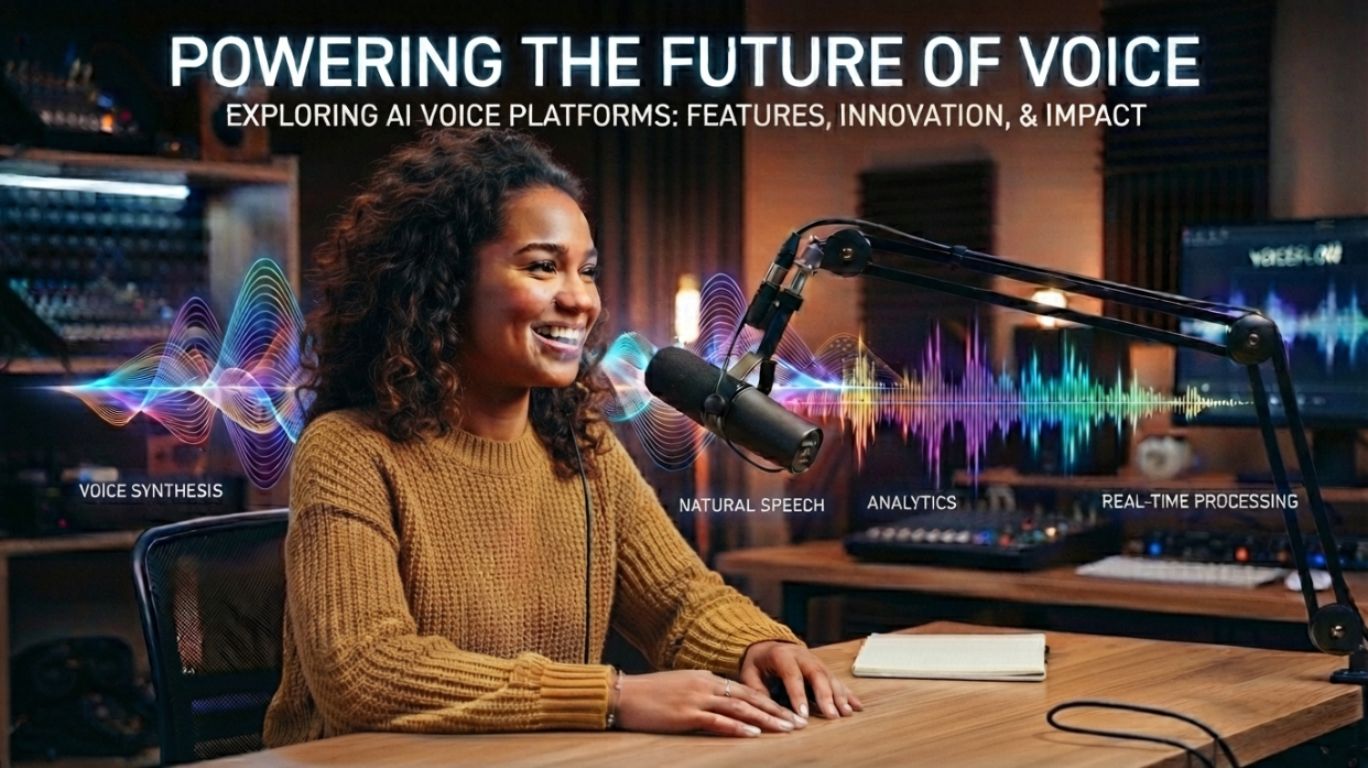
AI voice porn represents one application of generative AI within adult-oriented digital media. By combining large language models, natural language processing, and voice synthesis, these systems create interactive spoken conversations instead of relying solely on prerecorded audio.
As AI technology continues to evolve, voice generation capabilities are likely to improve. At the same time, privacy practices, responsible development, transparency, and legal frameworks will remain important considerations for both developers and users.
No. Many platforms generate spoken responses during the conversation using AI models, although some services may also include prerecorded audio.
Modern voice synthesis can produce natural-sounding speech. However, realism varies depending on the underlying technology and the quality of the voice model.
No. Features, customization options, privacy practices, moderation policies, and conversation quality differ between providers.
Some platforms allow ongoing conversation memory, while others begin each interaction as a new session. Memory features depend on the platform.
As with many online AI services, privacy practices vary. Users should review a platform’s privacy policy and understand how their data may be collected, stored, or processed before using the service.