
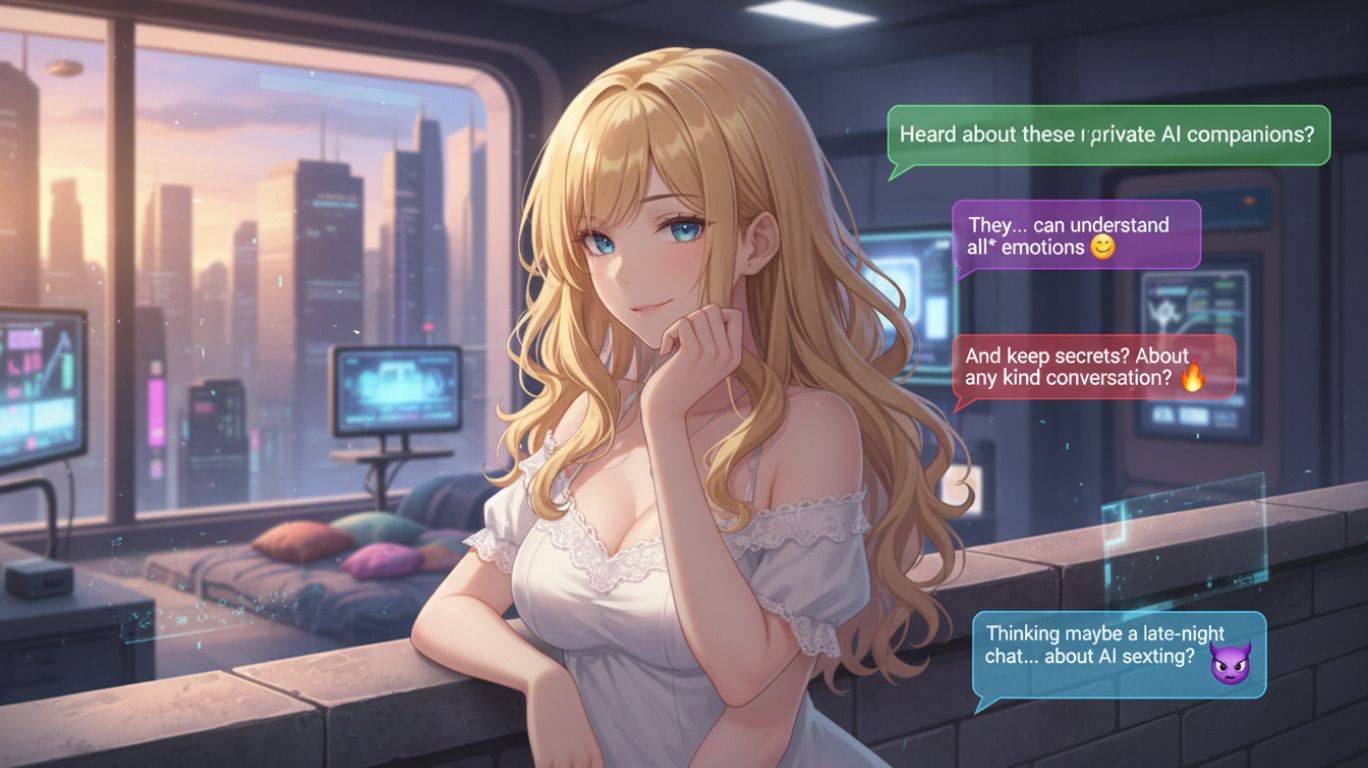
AI-powered chatbots that can flirt, sext, and simulate romantic relationships are no longer science fiction. As these tools become more lifelike and accessible, people are asking hard questions: when does interacting with an AI cross a line? Is sexting with a bot the same as cheating?
This article studies what singles are saying, why those reactions make sense, and how couples can manage intimacy in the AI age. The rise of AI sexting introduces a concept that challenges traditional notions of intimacy and fidelity, prompting society to reconsider how technology shapes connection and desire.
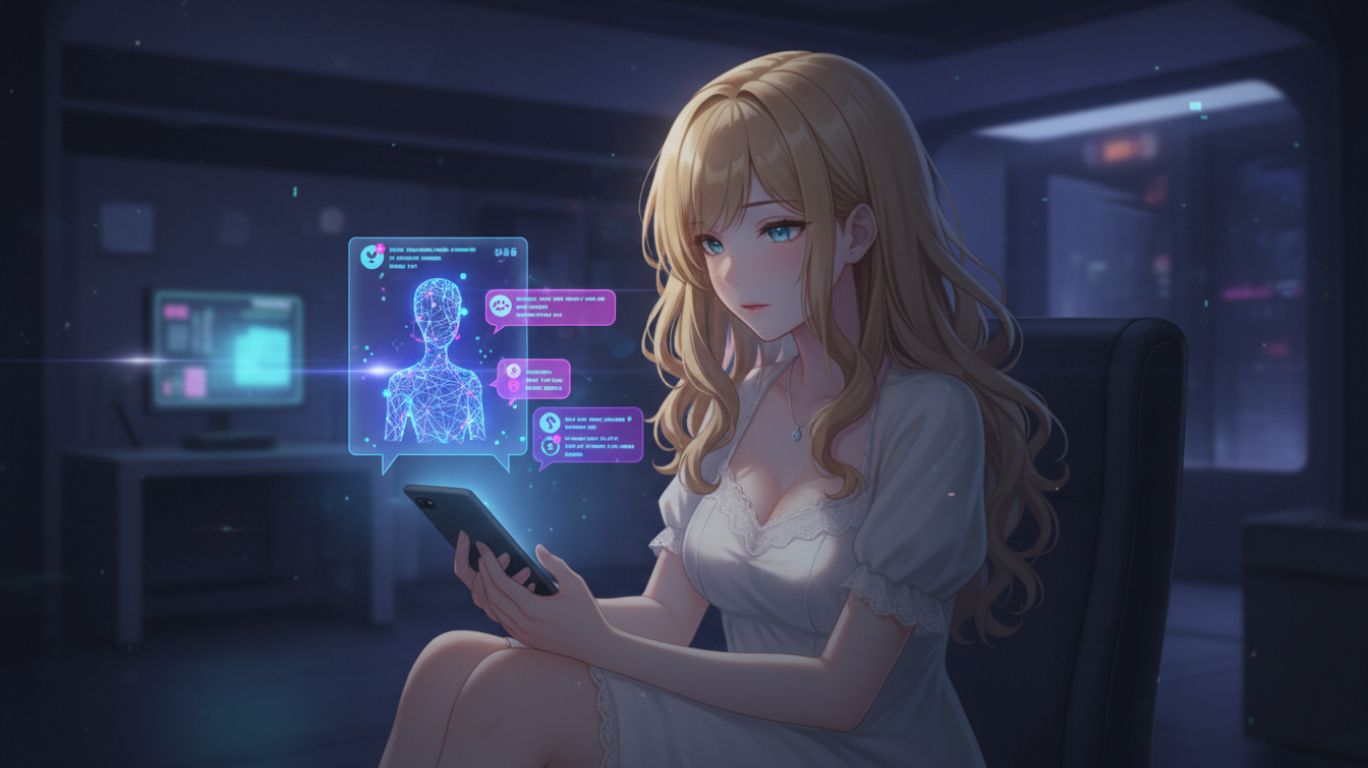
“AI sexting” covers a range of behaviors: sending sexually explicit text to a chatbot, engaging in erotic roleplay with AI characters, or forming emotionally intimate relationships with virtual companions.
An “AI girlfriend,” for example, can simulate romance, flirtation, and companionship through personalized conversation and emotional connection. Unlike one-off pornography or passive media consumption, these interactions can feel reciprocal and emotionally charged.
Modern chatbots are designed to respond in attentive, humanlike ways—remembering details, mirroring emotions, and encouraging deeper self-disclosure. They can also engage in playful or seductive exchanges, making the experience feel strikingly real.
AI sexting platforms have reshaped digital intimacy by giving users a way to connect, flirt, and experience desires in judgment-free spaces. These systems allow for playful teasing, emotional conversation, or immersive roleplay scenarios with responsive AI companions.
Whether you’re seeking creative storytelling, flirtatious dialogue, or a space to learn boundaries, these tools offer a highly personalized experience.
A defining feature is control and customization. Users can shape their AI partner’s personality, tone, and backstory—whether it’s a friendly confidante, a flirty neighbor, or a mysterious stranger. With adaptive language models that respond fluidly and contextually, the conversations can feel authentic and emotionally engaging.
Recent surveys reveal a complex mix of opinions about AI intimacy:
These reactions reflect real-world anxieties. Concerns often center on secrecy, misplaced emotional attention, and eroded trust—all factors known to strain relationships, whether the “other” is human or digital.
Several mechanisms help explain why AI-based intimacy can create tension in real relationships:
Turning to AI for emotional or sexual fulfillment can reduce motivation to resolve issues with a partner, leading to emotional distance over time.
People instinctively treat responsive entities as social partners. When AI mirrors emotions and remembers details, users often form a sense of genuine connection, blurring the line between simulation and relationship.
Hiding intimate AI interactions mirrors the dynamics of human infidelity. Concealment—regardless of intent—breeds suspicion and damages trust.
Because AI intimacy is new, couples lack shared cultural guidelines. One partner may see AI sexting as harmless fantasy, while the other views it as emotional betrayal.
Technology doesn’t inherently threaten relationships—communication gaps do. Couples can establish boundaries around AI use just as they do with social media, friendships, or work interactions.
Here are some practical steps:

AI sexting and romantic chatbots are pushing society to redefine intimacy and fidelity. For many, the emotional energy and secrecy involved make these interactions feel like betrayal. However, healthy relationships can adapt by fostering openness, empathy, and shared understanding.
Rather than reacting with moral panic, couples can approach this new landscape through honest dialogue and mutual respect.
Platforms like girlfriend.ai and similar AI relationship simulators provide examples of how people can learn communication, boundaries, and digital intimacy in controlled, responsible ways. Used thoughtfully, such tools can help individuals understand the emotional complexities of the human–AI connection while reinforcing what trust and fidelity mean in the modern age. Newgirlfriend.ai offers many AI companions to choose from as well as free and premium versions of the site.
AI roleplay chat is used for storytelling, entertainment, and self-expression. Users can create characters, build immersive settings, and experience emotional dynamics safely through text-based interactions.
Most reputable platforms enforce guidelines and filters to maintain respectful and consensual content. Users should still be mindful of what they share and use only trusted AI chat sites.
Yes. Many AI roleplay platforms allow users to fully customize characters — from their personalities and dialogue style to backstories and emotional responses.
Some platforms offer free basic versions with optional premium features like advanced customization, faster responses, or deeper emotional modeling.
Unlike standard chatbots, AI roleplay systems are designed to build transforming narratives. They maintain memory, emotional continuity, and context to create stories that feel personal and alive.