

AI Rule 34 refers to the application of the internet’s Rule 34 concept to artificial intelligence. It describes AI-generated adult-themed or imaginative content created with image generators, language models, and other generative AI tools. While the topic often relates to explicit material, it also raises broader discussions about digital creativity, ethics, privacy, and responsible AI use.
Modern AI tools allow users to generate artwork, fictional characters, stories, and interactive experiences from simple text prompts. As these technologies become more capable, conversations about consent, copyright, and ethical content creation continue to grow.
This guide explains what AI Rule 34 is, how AI generates this type of content, why it has become popular, and the ethical considerations users should understand.
AI Rule 34 refers to AI-generated content inspired by the internet meme known as Rule 34, which suggests that if something exists, someone has likely created adult-themed content about it. With generative AI, users can now create original images, illustrations, and fictional scenarios using text prompts instead of traditional digital art techniques.
The concept has expanded beyond explicit material. Today, many discussions about AI Rule 34 focus on how artificial intelligence enables unrestricted creative expression, character creation, and personalized digital experiences.
Although the phrase originates from internet culture, it now represents a broader conversation about the capabilities and limitations of modern generative AI.
Rule 34 originated as an internet meme that claims if something exists, someone has likely created adult-themed content about it. The phrase became widely recognized through online communities that shared fan-created artwork, animations, stories, and parodies featuring fictional characters.
As AI image generation advanced, the concept developed to include AI-generated content. Instead of relying solely on human artists, users could create detailed images within seconds using generative AI models trained on large image datasets.
This shift made digital content creation faster and more accessible, allowing people with little or no artistic experience to produce original artwork from text prompts.
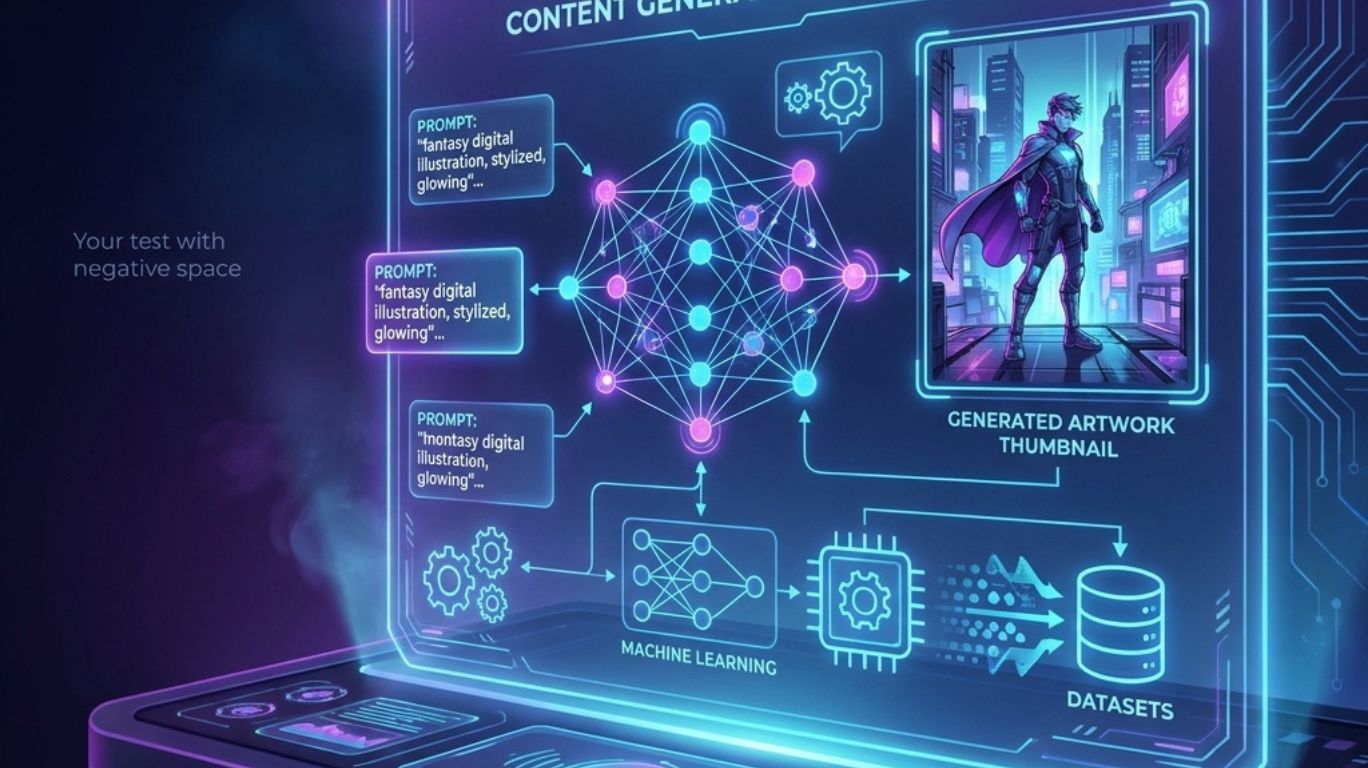
AI generates Rule 34 content by interpreting text prompts and transforming them into images or written material through machine learning models. These systems learn visual patterns, artistic styles, and language relationships from large datasets before generating entirely new outputs.
Common AI technologies include:
Popular AI platforms commonly used for digital artwork include:
|
AI Tool |
Primary Purpose | Common Creative Uses |
|
Midjourney |
AI image generation |
Digital art, fantasy characters, concept art |
|
Stable Diffusion |
Open-source image generation |
Character creation, illustrations, customized artwork |
|
DALL·E |
AI image generation |
Creative illustrations, marketing visuals, concept design |
| Flux | Image generation |
Photorealistic artwork and stylized designs |
These tools allow artists, hobbyists, and designers to produce original visuals more efficiently while learning different artistic styles.
AI Rule 34 is popular because generative AI allows users to create customized digital content quickly and with minimal artistic experience. AI-powered tools reduce the time and technical skills needed to produce images, illustrations, and fictional characters.
Several factors contribute to its popularity:
Many creators also use generative AI for entertainment, education, game design, world-building, and visual storytelling, extending its applications beyond adult-themed content.
AI changes digital creativity by helping users create images, stories, animations, and interactive experiences more quickly and efficiently. It enables artists, writers, and designers to turn ideas into finished content using text prompts and machine learning models.
Rather than replacing human creativity, AI often serves as a creative assistant. Artists use it to generate concepts, refine compositions, brainstorm character designs, and speed up production workflows.
AI also encourages experimentation by allowing users to test multiple artistic directions, compare visual styles, and iterate on ideas without starting each project from scratch.
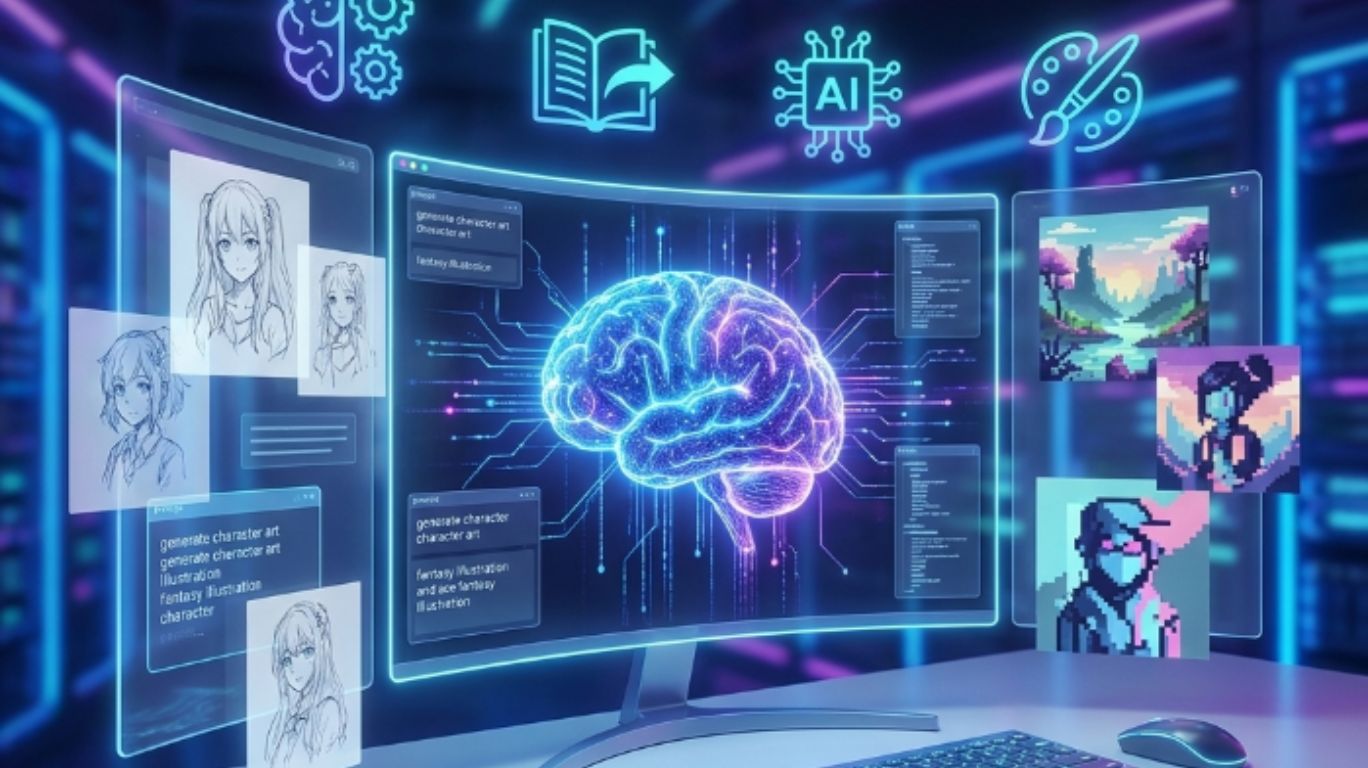
AI Rule 34 describes AI-generated content inspired by the internet’s Rule 34 concept and highlights how generative AI is used for digital art, storytelling, and character creation.
Responsible AI use includes respecting copyright, privacy, consent, and platform guidelines. Understanding AI Rule 34 helps users make informed decisions about creating and sharing AI-generated content.
Learn more about AI-powered creativity and virtual experiences.
AI Rule 34 combines the internet’s Rule 34 concept with generative AI. Users create images, stories, and other digital content from text prompts using AI models. The term also raises discussions about ethics, privacy, and responsible AI use.
No. Although the term often relates to adult-themed content, many creators use generative AI for fictional characters, concept art, storytelling, game design, and other creative projects.
People create AI Rule 34 content for various reasons, including self-expression, artistic exploration, curiosity, and the desire to tell stories. Some view it as a means to visualize fantasy, while others utilize it to study human psychology, identity, or emotional connections in a safe digital space. For many, it’s simply another form of art enhanced by technology.
Yes. The primary ethical issues concern consent, privacy, and the misuse of real likenesses. When AI generates lifelike representations, the content must respect individual rights and boundaries. Many responsible creators advocate for transparency and ethical use of AI tools to ensure that creativity doesn’t cross into exploitation.