
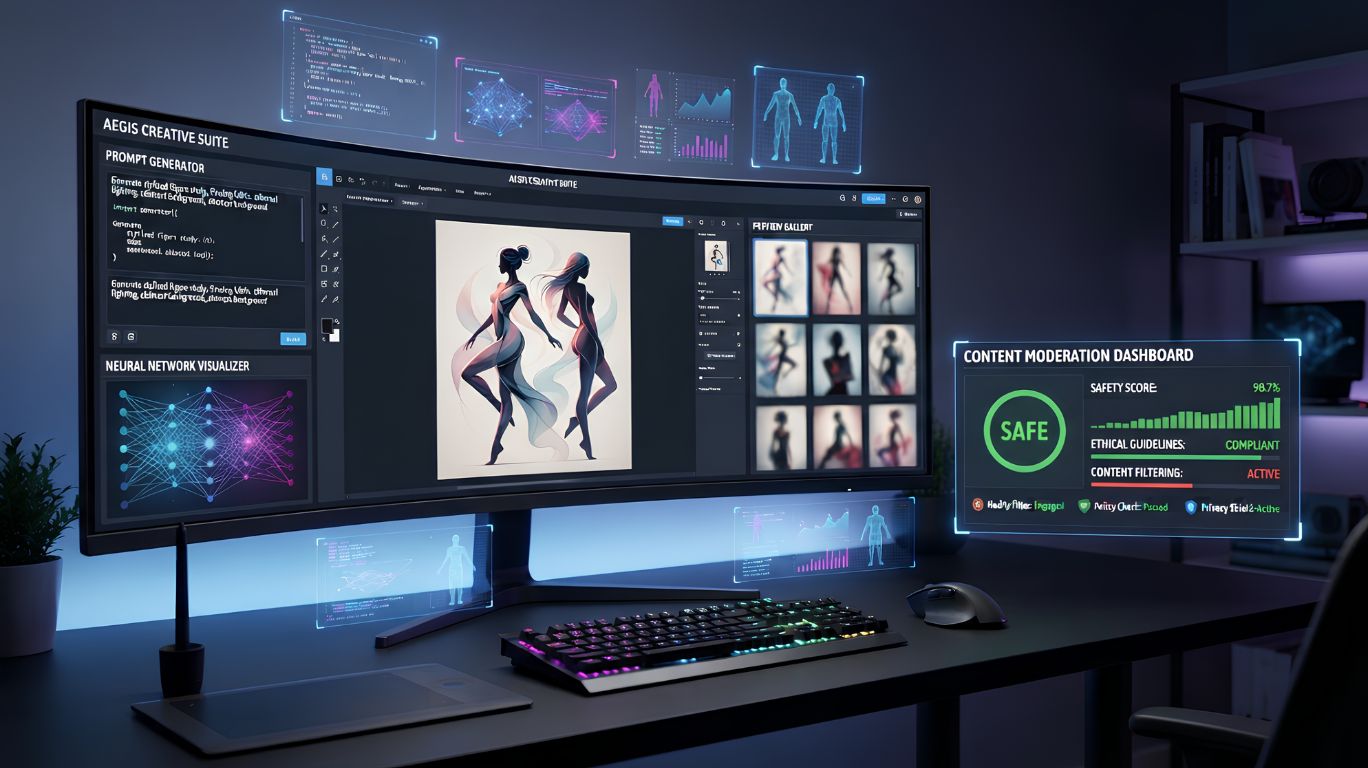
AI-generated NSFW content refers to adult-oriented images created with artificial intelligence from text prompts or image inputs. These tools generate original artwork instead of retrieving existing images, allowing users to create fictional characters, scenes, and visual styles based on their instructions.
Modern AI image generators have expanded the ways artists, hobbyists, and designers produce digital artwork. Although many people associate these tools with entertainment, they also support concept art, character design, and visual storytelling.
AI-generated NSFW content uses generative AI models to produce adult-themed digital images. After entering a prompt, users can describe elements such as character appearance, clothing, pose, lighting, background, or artistic style. The AI interprets these instructions and creates a new image.
Unlike traditional image libraries, AI generators produce unique outputs for each prompt. Many platforms also allow users to refine images through multiple generations until they achieve the desired result.
Most AI NSFW generators rely on machine learning models trained to recognize relationships between text descriptions and visual features. These generative AI models learn patterns from large datasets, allowing them to generate new images that match user prompts rather than retrieving existing ones. (Source: IBM, “What Is Generative AI?”; Stanford HAI, Generative AI Resources.)
The typical workflow includes:
Enter a text prompt.
Some platforms also support image-to-image generation, where an existing picture serves as the starting point for a new design.
Although features vary by platform, many AI NSFW generators include:
These features help users create artwork that matches specific artistic goals without requiring advanced drawing skills.
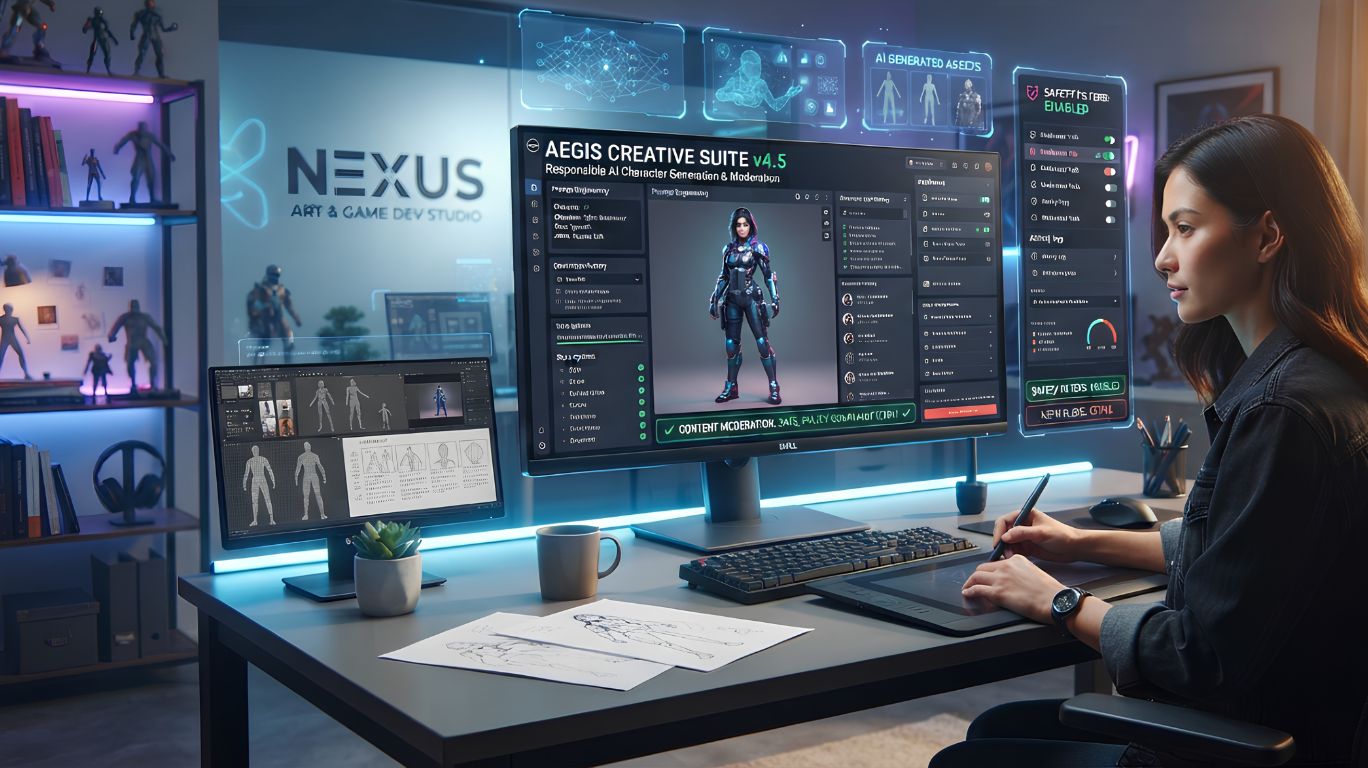
AI-generated NSFW content serves several legitimate creative purposes beyond personal entertainment.
Common applications include:
Professional artists may also use AI-generated images during the early concept stage before producing final illustrations.
AI-generated NSFW content should follow applicable laws, platform policies, and ethical standards. Organizations such as the National Institute of Standards and Technology (NIST) recommend applying AI risk management practices that address safety, transparency, and responsible use.
Users should avoid generating images that:
Many AI platforms include moderation systems that restrict prohibited content.
AI image generators offer several practical benefits, but they also have limitations.
|
Advantages |
Limitations |
|
Fast image generation |
Quality varies by model |
|
Wide range of artistic styles |
Some prompts produce inconsistent results |
|
Original AI-generated artwork |
Resolution limits on some platforms |
|
Easy prompt revisions |
Advanced features may require paid plans |
| Supports concept development |
Platform content policies differ |
Understanding these strengths and limitations helps users choose tools that match their needs.
Generative AI continues to improve image quality, prompt accuracy, and editing capabilities as models become more capable and efficient. Researchers and developers also continue improving model alignment, safety measures, and content controls to encourage responsible AI development. (Source: IBM, “What Is Generative AI?”; Stanford HAI; NIST AI Risk Management Framework.)
Future platforms may include:
As the technology evolves, developers continue refining safeguards that address copyright, consent, and responsible AI use.
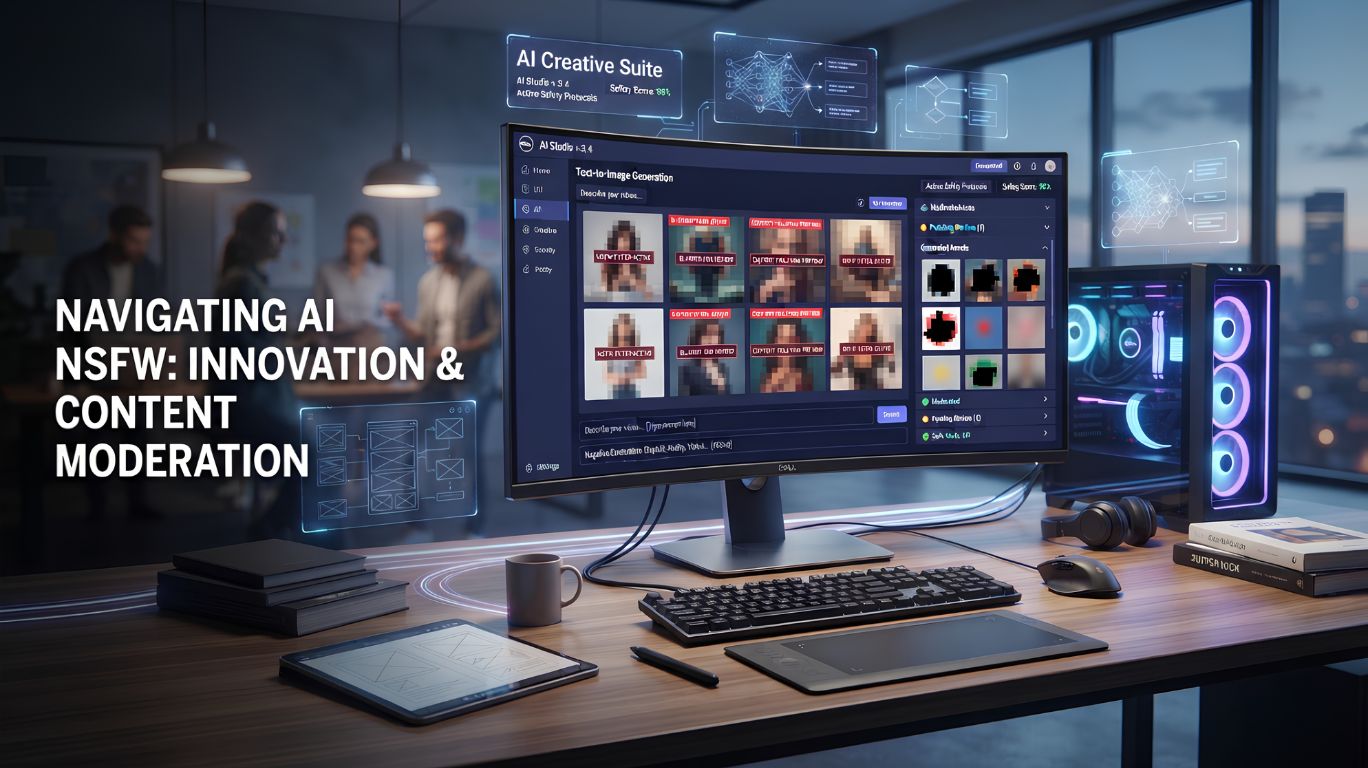
AI-generated NSFW content allows users to create original adult-themed digital artwork from text prompts and other inputs. These tools support artistic exploration, concept development, and digital illustration while offering greater flexibility than traditional image libraries.
As generative AI continues to evolve, users should balance creative opportunities with responsible use by following platform policies, respecting intellectual property, and avoiding non-consensual or unlawful content.
AI-generated NSFW content consists of adult-oriented digital images created by artificial intelligence using text prompts or image references instead of manually drawing every element.
Yes. Most AI image generators create new images based on prompts rather than copying existing artwork, although results depend on the underlying model and platform.
People use them for fictional artwork, character concepts, visual storytelling, digital illustration, and creative projects involving adult themes.
Legality depends on local laws, platform policies, and the content being created. Users should comply with copyright laws and avoid generating illegal or non-consensual material.
No. Features differ between platforms. Some provide advanced editing tools, higher image resolutions, or additional style models, while others offer more basic generation options.